How to Safely Remove Your Dishwasher: Step-by-Step Guide
Removing a dishwasher might seem like a big project. But, with the right steps, you can safely disconnect and pull out your old dishwasher. It’s totally doable for most homeowners. We found the key is to tackle it methodically, starting with shutting off power and water.
Whether you’re replacing it with a shiny new model or just need to clear some space, knowing how to remove it yourself saves you money. Many DIYers are surprised at how straightforward this process can be. You’ll want to gather a few basic tools before you begin the actual removal.
- Turn off power and water first.
- Disconnect the drain and water lines.
- Unscrew mounting brackets.
- Slide the old dishwasher out.
- Check for any hidden clips.
Ready to get that old dishwasher out of your kitchen? We’ll walk you through the entire process, step by step, so you can get the job done right.
Here’s the main body content for your blog post on removing a dishwasher:Getting Your Old Dishwasher Out Safely
Removing a dishwasher yourself is a manageable project. You just need to follow a few key steps. We found that being prepared with the right tools makes a huge difference. Let’s get this old appliance out of your kitchen!
Safety First: Cutting Off Power and Water
Before you touch anything, safety is the top priority. You absolutely must disconnect the power and water supply. This prevents any electrical shock or water damage. Skipping this step can lead to serious injury or a flooded kitchen. We always recommend confirming these are off before proceeding.
Turning Off the Electricity
Your dishwasher gets its power from your home’s electrical panel, or breaker box. Locate the breaker that controls your dishwasher. It might be labeled ‘Dishwasher,’ ‘Kitchen,’ or something similar. Flip the breaker to the ‘Off’ position. If you’re unsure which breaker it is, it’s safer to turn off the main breaker for your entire house. This ensures no power flows to the appliance. Always double-check that the power is off by trying to turn on the dishwasher. Nothing should happen if it’s correctly disconnected.
Shutting Off the Water Supply
Next, you need to stop the water flow. Most dishwashers have a dedicated shut-off valve. This is usually located under the kitchen sink, behind a panel. Look for a small pipe that leads from the valve to your dishwasher. Turn the handle of this valve clockwise until it stops. If you can’t find a specific valve for the dishwasher, you might need to shut off the main water supply to your entire house. This is a good time to confirm your plumbing skills are up to the task. A quick check under the sink is usually all it takes.
Disconnecting the Plumbing and Electrical Connections
With power and water safely off, you can now disconnect the dishwasher’s various connections. This is where most of the ‘plumbing’ work happens. Take your time here; a little patience prevents bigger problems down the road.
Draining the Water Lines
Even with the water shut off, there might be some residual water in the lines. Place a towel or bucket underneath the water supply connection. This will catch any drips. You’ll typically find a braided metal hose connected to a shut-off valve under the sink. Use pliers or a wrench to carefully loosen this connection. Let any remaining water drain into your bucket. Many experts say this is a common spot for small spills.
Detaching the Drain Hose
The drain hose carries wastewater from the dishwasher to your sink’s drain or garbage disposal. This hose is usually secured with a clamp. You’ll find it attached either under the sink or to the back of the dishwasher. Use a screwdriver or pliers to loosen the clamp. Gently pull the drain hose free. Be prepared for a bit more water to come out; have that towel or bucket ready! We found that having a shallow pan can be super helpful here.
Disconnecting the Power Cord or Junction Box
The electrical connection can vary. Some dishwashers have a standard power cord that plugs into an outlet. If yours does, simply unplug it. Others are hardwired. In this case, you’ll need to locate the junction box where the dishwasher’s power cable connects to your home’s wiring. It’s usually behind a small metal plate on the dishwasher itself.
Important Note: If you are not comfortable working with electrical wiring, it is strongly advised to hire a qualified electrician or plumber. We want you to stay safe above all else!
If you are comfortable, turn off the power at the breaker (which you’ve already done). Remove the cover plate. Carefully disconnect the wires, typically by unscrewing wire nuts. Ensure the wires from the house are safely separated and cannot touch anything. Many sources, like the Occupational Safety and Health Administration (OSHA), stress that electrical work should only be done by trained individuals.
Unscrewing the Dishwasher from Its Mounts
Most dishwashers are secured in place to prevent them from tipping forward when the door is open. You’ll need to find and remove these mounting brackets. These are usually small screws or clips.
Locating the Mounting Brackets
Open the dishwasher door fully. Look along the top edge of the dishwasher, where it meets the underside of your countertop. You should see one or two metal brackets attached to the dishwasher frame. These brackets are usually screwed into the countertop or the cabinet face. Sometimes, they are attached to the sides of the dishwasher opening.
Removing the Mounting Screws
Using a screwdriver that fits the screw heads, carefully remove them. You might only need to loosen them, but removing them entirely is usually best. Keep these screws in a safe place, as you might need them for your new dishwasher. If you’re having trouble finding them, try a flashlight. A good visual inspection goes a long way. We found that a magnetic screwdriver helps keep track of small screws.
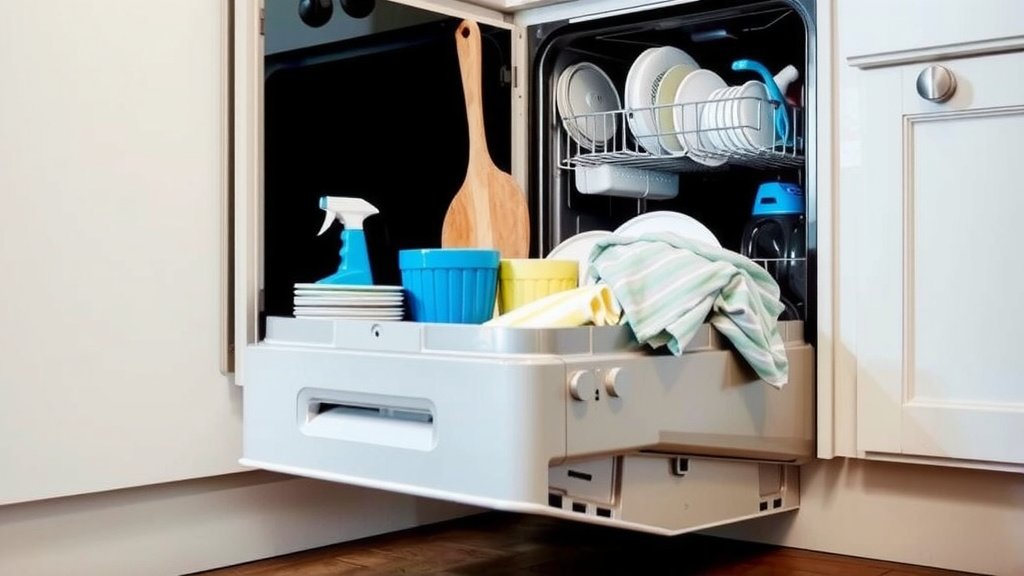
Sliding the Dishwasher Out of Place
Now comes the part where you actually get the dishwasher out! This is often easier than people expect, but a little wiggle room helps.
Gently Pulling the Unit Forward
Once all the screws, hoses, and wires are disconnected, it’s time to pull. Carefully try to slide the dishwasher forward. You might need to gently rock it from side to side to loosen it from any seals or debris. Don’t force it. If it feels stuck, double-check if you missed any mounting points or if there’s an obstruction. Sometimes, you might need to adjust the leveling feet at the bottom to gain a little height. Many DIY guides suggest using a furniture dolly or hand truck for easier transport, especially if you’re moving it far.
Checking for Hidden Clips or Sealants
Occasionally, dishwashers can be secured with hidden clips or a bead of sealant. If you’re encountering stubborn resistance, look closely around the edges of the unit. You might need a putty knife to carefully break a seal. Research from home improvement sites indicates that this is uncommon but does happen. Taking your time here prevents damage to your cabinets or countertops.
Final Steps and Cleanup
With the dishwasher out, you’re almost done. A little cleanup makes the job feel complete.
Cleaning the Opening
Use a damp cloth to wipe down the empty space where the dishwasher sat. Clean up any spilled water or debris. Check the floor underneath for any damage or leaks that may have gone unnoticed.
Securing Loose Hoses or Wires (If Necessary)
If you’re not installing a new dishwasher immediately, make sure any loose electrical wires are safely capped and secured. Similarly, cap off the water supply line to prevent leaks. You can use pipe caps for the water line. This protects your home from potential water damage. Many home maintenance checklists include this as a vital step before leaving a project site.
Here’s a quick checklist for your removal process:- Turn off power at the breaker box.
- Shut off the water supply valve.
- Disconnect the drain hose and water line.
- Remove all mounting screws.
- Carefully slide the dishwasher out.
- Cap off exposed water lines if needed.
Conclusion
You’ve successfully navigated the steps to remove your old dishwasher! We’ve seen that by focusing on safety first, like cutting power and water, and then methodically disconnecting the hoses and electrical connections, you can get the job done. Remember to unscrew those mounting brackets and gently slide the unit out. This DIY approach saves you money and gives you a sense of accomplishment. Now that the space is clear, you’re ready to install your new appliance or prepare the area for its next use. Take a moment to celebrate your success!
Frequently Asked Questions
Do I need a professional to remove my dishwasher?
For most homeowners, removing a dishwasher is a manageable DIY project. If you’re comfortable with basic tools and can follow safety precautions like turning off power and water, you can likely do it yourself. However, if you’re unsure about any step, especially electrical wiring, hiring a professional plumber or appliance installer is always a wise choice for your safety.
What tools will I need to remove a dishwasher?
You’ll generally need a few common tools. These include adjustable pliers or a wrench for water and drain line connections, a screwdriver set for mounting screws and clamps, towels or a shallow pan for catching drips, and potentially a utility knife or putty knife if there’s sealant. A flashlight can also help you see into tight spaces.
How do I know if my dishwasher is hardwired or has a plug?
Check the back of your dishwasher and the surrounding cabinetry. If you see a standard electrical cord that plugs into an outlet, it’s not hardwired. If you don’t see a cord or an outlet, it’s likely hardwired. In this case, you’ll need to locate a junction box, usually behind a small metal plate on the dishwasher itself, to disconnect the wiring.
What if my dishwasher is stuck and won’t slide out?
If the dishwasher is resistant, double-check that you have removed all mounting screws or clips. Sometimes, old sealant or debris can cause it to stick. Gently rocking it side-to-side can help loosen it. You might also check if the leveling feet at the bottom are fully retracted, which can sometimes give you the extra clearance needed.
Can I leave the water or electrical lines open after removing the dishwasher?
No, it’s crucial to properly secure any open water or electrical lines. For water lines, use a pipe cap to prevent leaks. For electrical wiring, ensure the exposed wires from your home are safely separated and capped with wire nuts. This prevents potential water damage or electrical hazards while the space is awaiting its next appliance.