How to Replace Your Dishwasher Pump: A Step-by-Step Guide
Yes, you can absolutely replace your dishwasher pump yourself. It’s a manageable DIY project that can save you money on repair calls. By following a few straightforward steps, you can get your dishwasher draining and working properly again. You’ll need to be comfortable working with basic tools and disconnecting power and water.
A malfunctioning dishwasher pump often presents as a failure to drain or unusual noises during cycles. Replacing the pump is a common fix for these issues. Many homeowners find this repair to be less daunting than they initially expect. We found that having the right replacement part and a clear set of instructions makes all the difference.
- Identify the correct replacement pump for your dishwasher model.
- Gather necessary tools: screwdrivers, pliers, towels, and a bucket.
- Always disconnect power and water supply before starting.
- Carefully remove the old pump and install the new one.
- Test the dishwasher to ensure it drains and functions correctly.
Below, we’ll walk you through the process step by step to help you successfully replace your dishwasher pump.
Replacing Your Dishwasher Pump: A Step-by-Step Guide
A broken dishwasher pump can turn your helpful kitchen appliance into a silent, water-holding menace. Don’t worry, though! Replacing it is a manageable DIY project. Many homeowners find they can tackle this repair with basic tools. We found that understanding each step makes the process much less intimidating.
Understanding Your Dishwasher Pump’s Role
Before we dive into the “how,” let’s quickly touch on the “what.” Your dishwasher pump is a workhorse. It’s responsible for two main jobs: spraying water onto your dishes and then draining the dirty water away. If your dishwasher isn’t cleaning well or is leaving standing water, a faulty pump is often the culprit.
Signs of a Failing Pump
How do you know if your pump is the problem? You might notice several things. The most common is a dishwasher that won’t drain after a cycle. You might also hear unusual or loud noises coming from the bottom of the unit. Sometimes, you’ll see the spray arms aren’t spinning properly, meaning water isn’t being circulated effectively.
Getting Ready for the Replacement
Safety first is always the best approach. You wouldn’t want to get a surprise shock or a flood in your kitchen! Gathering your tools and parts beforehand will also make the job go much smoother. Think of it like preparing all your ingredients before you start cooking.
Gathering Your Tools and Parts
You’ll likely need a few standard tools. A set of screwdrivers (Phillips and flathead) is essential. Pliers are useful for gripping hoses and clamps. You’ll also want towels and a bucket to catch any residual water. Most importantly, you need the correct replacement pump for your specific dishwasher model. It’s wise to find your dishwasher’s model number, often located on the door frame or a sticker inside the tub, before you shop for parts. We found that ordering the part online from a reputable appliance parts dealer is often the most convenient way.
Safety Precautions: Power and Water
This is the most critical step. You absolutely must disconnect the power to your dishwasher. Look for the circuit breaker that controls your dishwasher and flip it off. If you’re unsure which one it is, turn off the main breaker for your kitchen. Next, you need to turn off the water supply. There’s usually a valve located under your sink that feeds water to the dishwasher. Turn this valve clockwise to shut it off. We found that double-checking that both power and water are off before you touch anything prevents potential hazards.
Accessing and Removing the Old Pump
Now for the hands-on part. Dishwasher pumps are typically located at the very bottom of the unit. You’ll need to get to them from either the front or the bottom.
Removing the Lower Access Panel
Most dishwashers have a lower kickplate or access panel at the very bottom front. You can usually remove this by unscrewing a few screws or by carefully prying it off. Once it’s off, you’ll have a clearer view of the components underneath. This is where you’ll find the drain pump and sometimes the circulation pump.
Disconnecting Hoses and Wires
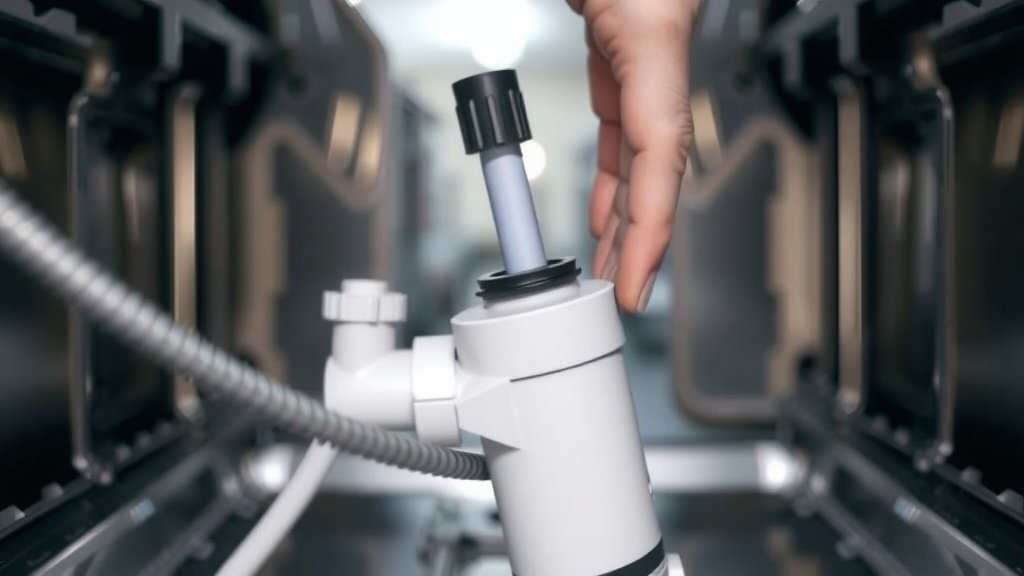
Once you can see the pump, you’ll need to disconnect it. There will likely be a drain hose attached, often secured with a clamp. Use your pliers to loosen the clamp and pull the hose off. You may also find electrical connections. Take a picture with your phone before disconnecting them; this helps immensely when it’s time to reconnect. Many electrical connectors simply pull apart or have a small tab you need to press. Be gentle; you don’t want to damage the wiring.
Unbolting the Pump Assembly
The pump itself is usually secured to the dishwasher tub or a mounting bracket with screws or clips. Carefully remove these fasteners. You might need to support the pump as you remove the last screw to prevent it from falling. Have your bucket ready, as there will likely be some residual water in the pump housing. Carefully maneuver the old pump out of the dishwasher. We found that having a helper can make this step easier, especially if the pump is a bit awkward to handle.
Installing the New Dishwasher Pump
Installing the new pump is essentially the reverse of removal. Take your time and ensure everything is connected securely.
Positioning and Securing the New Pump
Carefully place the new pump into position. Align it with the mounting points or the connection to the tub. Reinstall the screws or clips that hold the pump in place. Make sure it’s snug but don’t overtighten, as this could damage the plastic housing.
Reconnecting Hoses and Electrical Connectors
Attach the drain hose to the new pump. Secure it with the clamp, making sure it’s tight enough to prevent leaks. Reconnect the electrical wires. Refer to the picture you took earlier if you’re unsure. Ensure each connection is firm and clicks into place, if applicable. Many experts recommend using dielectric grease on electrical connections to prevent corrosion, although this isn’t always necessary (Cleveland Clinic).
Testing Your Work
You’ve done the hard part! Now comes the moment of truth: testing to see if your repair was successful.
Reassembling and Turning Systems Back On
Before you turn everything back on, reattach the lower access panel. Now, turn the water supply valve back on by turning it counter-clockwise. Then, go back to your circuit breaker and flip the power back on for your dishwasher. It’s wise to turn on only the dishwasher and not other high-demand appliances at first.
Running a Test Cycle
Start a short rinse cycle or a quick wash. Stand by and observe. Listen for any unusual noises. Most importantly, check for leaks around the pump connections and hoses. After the cycle finishes, open the dishwasher door. Does the water drain out completely? If so, congratulations! You’ve successfully replaced your dishwasher pump. If you notice any leaks, immediately turn off the power and water again and recheck your connections. You might need to tighten a clamp or reseat a hose.
Quick Checklist for Your Replacement
To keep things organized, here’s a quick rundown:
- Identify and purchase the correct pump model.
- Gather all necessary tools.
- Turn off power and water supply.
- Remove the old pump carefully.
- Install the new pump securely.
- Test for leaks and proper drainage.
Conclusion
You’ve successfully navigated the process of replacing your dishwasher pump. Remember, taking the time to prepare, disconnect power and water, and work carefully through each step is key. We found that many homeowners are surprised at how manageable this repair can be. With your new pump installed, you can look forward to a fully functional dishwasher. If you encountered any minor leaks during testing, simply re-check those connections. Now, go enjoy your sparkling clean dishes!
Frequently Asked Questions
How long does it usually take to replace a dishwasher pump?
Replacing a dishwasher pump typically takes between 1 to 2 hours for most DIYers. This timeframe can vary depending on your dishwasher model and your familiarity with appliance repair. Taking your time to ensure everything is disconnected and reconnected properly is more important than speed.
Can I replace just the motor, or do I need the whole pump assembly?
In most cases, you will need to replace the entire pump assembly, which includes the motor and the housing. The pump is a single unit. We found that purchasing the complete assembly is usually the most straightforward and effective repair.
What if my dishwasher has both a drain pump and a circulation pump?
Some dishwashers have separate pumps for draining and circulating water. You’ll need to identify which pump is failing. Usually, a failure to drain indicates an issue with the drain pump, while poor cleaning performance might point to the circulation pump. Always consult your dishwasher’s manual or model number to identify the correct part.
Is it possible to damage my dishwasher if I try to replace the pump myself?
Yes, it’s possible to cause damage if you’re not careful. The most common risks involve damaging electrical connections, over-tightening screws on plastic parts, or not properly reconnecting hoses, which could lead to leaks. Always prioritize safety and double-check your work.
Where can I find the model number for my dishwasher?
You can typically find your dishwasher’s model number on a sticker located on the inside edge of the door, the door frame itself, or sometimes on the tub wall near the opening. Once you have the model number, you can search for the correct replacement pump online or at appliance parts stores.