Why Your Dishwasher Is Leaking: Common Causes
A leaking dishwasher can be a real headache, but you’re not alone! Most leaks happen because of a simple seal issue or a clogged part. We found that checking the door gasket, spray arms, and drain hose are often the quickest fixes for a dishwasher leaking water. Don’t worry, we’ll help you pinpoint the problem.
That unwelcome puddle means something isn’t quite right inside your trusty appliance. It’s usually not a major defect, but rather something that needs a bit of attention. We found that many common dishwasher leaks are preventable with regular cleaning and maintenance. Let’s figure out what’s causing yours to drip.
- Dishwasher leaks often stem from worn door seals or clogged components.
- Checking the door gasket, spray arms, and drain filter is key.
- Overloading or improper loading can also cause water to escape.
- Make sure your dishwasher is leveled correctly to prevent leaks.
- Regular cleaning prevents many common dishwasher water issues.
Ready to stop that drip? Let’s walk through the most common reasons your dishwasher might be leaking and how you can fix them.
Why Is Your Dishwasher Leaking Water? Common Culprits and Fixes
Seeing water where it shouldn’t be is never fun. A leaking dishwasher can make you worry about expensive repairs. But don’t panic just yet! We found that most leaks are surprisingly common. They often come down to a few simple things that you can often fix yourself.
The Door Seal: Your First Line of Defense
The rubber or vinyl seal around your dishwasher door, called the gasket, is super important. Its job is to create a watertight barrier. When this gasket gets old, cracked, or dirty, it can’t seal properly. This is a very common reason for leaks, especially around the bottom of the door. We found that inspecting this seal should be your first step.
Checking and Cleaning Your Door Gasket
Take a good look at the entire gasket. Do you see any tears, nicks, or signs of wear? If it looks damaged, it might need replacing. If it looks okay, it might just be dirty. Food debris or mineral buildup can prevent a good seal. Gently wipe it clean with a damp cloth. You can use a mild detergent if needed.
We found that a buildup of **grease or hard water deposits** can make the gasket stiff and less effective. Sometimes, the gasket can just get a little out of place. Gently push it back into its groove around the door. Make sure it’s seated evenly all the way around. A well-maintained gasket is key to preventing leaks.
Spray Arms: Not Just for Cleaning Dishes
Your dishwasher has spray arms that rotate and blast water onto your dishes. If these arms get clogged or damaged, they can spray water in odd directions. This misdirected water can sometimes hit the door seal at an angle, causing it to spray out. It’s an unexpected source for leaks, but we found it happens.
Inspecting and Clearing Spray Arms
First, check if the spray arms can rotate freely. Sometimes, a stray utensil or piece of dishware can block their movement. If they’re blocked, reposition items and try again. If the arms themselves are cracked or damaged, they might need to be replaced. This is less common than a gasket issue, but still possible.
We found that the small holes in the spray arms can get clogged with food particles or mineral deposits. Use a toothpick or a thin wire to gently clean out these holes. Make sure water can spray out evenly in all directions. A clogged spray arm might not clean your dishes well either, so this is a double win.
Draining Issues: When Water Can’t Leave
Your dishwasher needs to drain water out at the end of cycles. If the drain system is blocked, water can back up. This standing water can then find its way out of the machine. Many experts say a clogged drain is a frequent offender for leaks.
The Drain Filter: A Hidden Culprit
Most dishwashers have a filter at the bottom of the tub. This filter catches food particles to prevent them from clogging the drain pump. If this filter is full of gunk, water can’t drain properly. We found that cleaning this filter regularly is one of the easiest ways to prevent drain problems.
To access it, you’ll usually need to remove the bottom rack. The filter is typically a cylindrical or flat mesh piece. Consult your dishwasher’s manual for exact instructions. Rinse it thoroughly under running water. You might need a brush to scrub away stubborn debris. A clean filter is essential for good drainage and fewer leaks.
Checking the Drain Hose
The drain hose carries water from the dishwasher to your sink’s drain or garbage disposal. This hose can get kinked, clogged, or even develop a leak itself. We found that a kinked hose is often the easiest problem to spot and fix.
If the hose is kinked, gently straighten it out. If you suspect a clog, you might need to disconnect the hose (be prepared for some water to spill out!). You can try to clear it with a plumber’s snake or by flushing it with water. If the hose itself is damaged, it will need to be replaced. Make sure the hose has a “high loop” where it connects to the sink drain. This prevents dirty sink water from backing up into the dishwasher.
Water Inlet Valve: The Doorway for Water
The water inlet valve controls how much water enters your dishwasher. If this valve is faulty or loose, it can cause leaks. Water might drip from where the supply line connects to the dishwasher. We found this to be a less common but still possible cause.
Examining the Water Inlet Valve Area
You’ll likely need to pull the dishwasher out slightly to access this. Look for any drips or wetness around the valve itself or where the hose connects. The valve might be cracked, or the connection might be loose. Tightening the connection can sometimes solve the problem. If the valve itself is leaking, it will need to be replaced. This is often a job best left to a professional.
Dishwasher Loading and Detergent Use
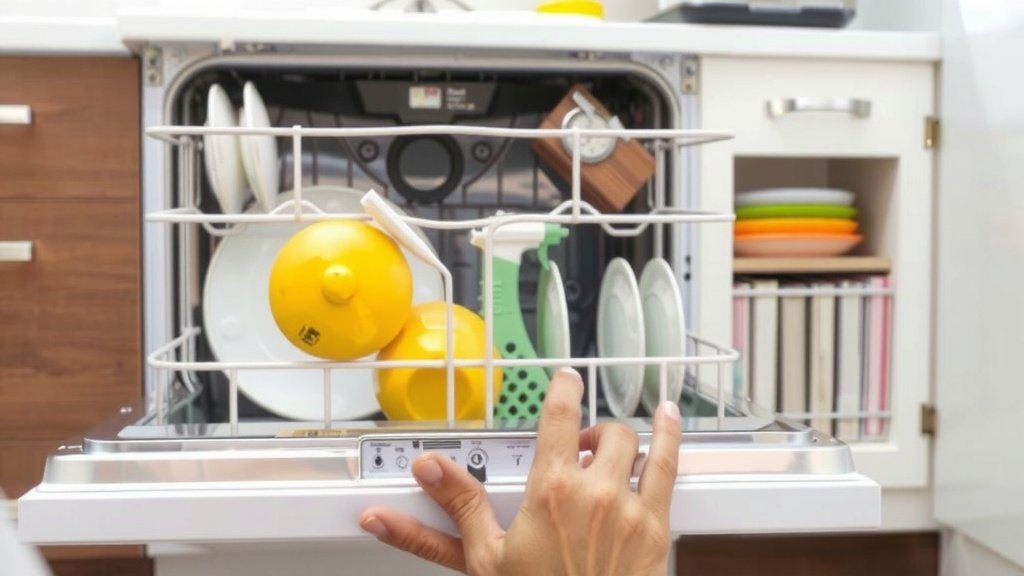
How you load your dishwasher and the type of detergent you use can also impact leaks. Overloading can push items against the door, preventing a good seal. Using too much detergent can cause excessive suds, which can overflow and lead to leaks. We found that both are easily managed.
Proper Loading Techniques
Ensure nothing is blocking the door from closing tightly. Avoid placing large items directly in front of the door’s opening. Make sure no dishes are sticking out past the racks. Proper loading ensures water stays inside where it belongs and that spray arms can move freely. We found that a little care here makes a big difference.
Detergent Dos and Don’ts
Always use detergent specifically designed for automatic dishwashers. Never use regular dish soap, as it creates far too many suds. Follow the manufacturer’s recommendations for the amount of detergent to use. Too much can lead to suds overflowing. We found that using the correct amount is a simple yet effective leak prevention tip.
Is Your Dishwasher Level?
A dishwasher that isn’t level can cause water to pool unevenly. This pooling can then spill over the door seal. Many home appliance experts suggest checking if your dishwasher is sitting level. It might sound odd, but it’s an important step.
How to Check and Adjust Leveling
You can use a level tool on the bottom rack inside the dishwasher. Check it from front to back and side to side. Most dishwashers have adjustable feet at the bottom. You can screw these feet up or down to tilt the appliance until it’s perfectly level. This simple adjustment can solve persistent leaks, and we found it’s often overlooked.
Quick Checklist for Dishwasher Leaks
Don’t want to read through everything again? Here’s a quick rundown of what to check:
- Inspect the door gasket for damage or debris.
- Ensure spray arms spin freely and are not cracked.
- Clean the drain filter at the bottom of the tub.
- Check the drain hose for kinks or damage.
- Verify you’re using the correct dishwasher detergent amount.
- Confirm your dishwasher is sitting level.
Conclusion
You’ve now seen that most dishwasher leaks aren’t catastrophic. Often, a simple check of your door gasket, spray arms, or drain filter can reveal the issue. Even small things like proper loading or ensuring your dishwasher is level can make a big difference. Don’t let that puddle get you down! Take a deep breath, consult your manual, and use this guide to tackle the problem yourself. Your next step is to grab a flashlight and start with that door seal.
Frequently Asked Questions
How often should I clean my dishwasher’s drain filter?
We found that cleaning your drain filter at least once a month is a good rule of thumb. If you have a heavily used dishwasher or tend to rinse dishes less thoroughly, checking it weekly is even better. A clogged filter is a prime suspect for leaks.
Can a faulty water inlet valve cause a minor drip or a major leak?
Yes, a faulty water inlet valve can cause both. A small crack or loose connection might lead to a slow drip. However, a completely failed valve could result in a continuous flow of water, leading to a more significant leak.
What is the “high loop” for the drain hose, and why is it important?
The high loop is when your drain hose is secured up against the underside of your countertop before connecting to the sink drain. We found this prevents dirty sink water from flowing back into your dishwasher. It also helps prevent leaks by maintaining proper drainage pressure.
Is it safe to use vinegar to clean my dishwasher’s door gasket?
Yes, a diluted vinegar solution can be effective for cleaning grime off your door gasket. Just be sure to rinse it thoroughly afterward with plain water. Avoid harsh chemicals that could damage the rubber over time.
My dishwasher only leaks sometimes. What could be causing that?
Intermittent leaks can be tricky. They might occur only when the dishwasher is full, during a specific cycle, or when certain items are loaded. We suggest paying close attention to when the leak happens and cross-referencing it with the potential causes like the door seal, spray arms, or drain issues.