Dishwasher Cycle Explained: How It Cleans Your Dishes
A dishwasher cycle is a pre-programmed sequence of water jets, rinses, and drying stages designed to clean your dirty dishes. Think of it as your dishwasher’s smart routine for tackling everything from sticky jam to greasy pans. Each cycle uses specific temperatures, water pressure, and durations to get your plates sparkling clean.
Understanding your dishwasher cycle helps you pick the best setting for the job. Not all loads are created equal, and using the right cycle can save water and energy. We found that choosing wisely can also help protect your dishes from damage. It’s a simple step that makes a big difference in your kitchen.
- Dishwasher cycles are automated cleaning routines.
- They use water, heat, and pressure for cleaning.
- Different cycles are for different types of loads.
- Choosing the right cycle saves energy and water.
- It can also help your dishes last longer.
Let’s walk through what each of those dishwasher cycles actually does so you can get the most out of your appliance.
Understanding Your Dishwasher’s Cleaning Cycles
Think of a dishwasher cycle as a dish’s spa day, complete with a cleansing soak, a refreshing rinse, and a toasty dry. Your dishwasher uses a series of programmed steps to get your dishes sparkling. Each cycle has a different mission and uses varying amounts of water, heat, and time. We’ve found that understanding these cycles can truly transform your dishwashing experience.
Why does this matter? Because not all messes are created equal! A light rinse cycle won’t cut through baked-on cheese. Similarly, running a heavy-duty cycle for a few glasses might be a waste of resources. Many experts agree that choosing the right cycle is key to efficient cleaning and appliance longevity (Good Housekeeping Institute).
The Anatomy of a Dishwasher Cycle
So, what actually happens inside that metal box? It’s a choreographed dance of water and heat. Most cycles start with a pre-rinse. This is usually a quick spray of cool water. It helps to wash away loose food particles. This stops them from clogging the filter later on.
Pre-Rinse: The Gentle Wake-Up Call
This initial stage is all about preparation. It’s like giving your dishes a quick pat down before a full wash. It uses minimal water and no detergent. The goal is simply to remove the obvious debris. We found this step is super helpful for preventing re-soiling later. It ensures the main wash can focus on the tougher grime.
Main Wash: The Deep Clean Dive
This is where the real magic happens! Hot water mixed with detergent is sprayed forcefully onto your dishes. The temperature of the water is critical here. Many cycles use temperatures between 130°F and 160°F. This heat helps to break down grease and food residue. The detergent then works its wonders, lifting away stuck-on bits. The spray arms rotate, ensuring water reaches every nook and cranny.
Rinse Cycles: Washing Away the Soap
After the main wash, your dishes need a good rinse. Dishwashers typically have one or more rinse cycles. These use clean, hot water. The goal is to completely remove detergent and any loosened food. A final hot rinse often helps dishes dry faster. It also leaves them with a nice shine.
Drying: The Grand Finale
The last step is drying. There are a few common methods. Some dishwashers use a heating element at the bottom. Others use condensation drying. This uses the residual heat from the hot rinse. The machine’s fan may also circulate air. We found that newer models often have more advanced drying techniques. These can include fans and special vents for better results.
Common Dishwasher Cycle Types and What They Do
Your dishwasher likely has several cycle options. They’re designed to tackle different cleaning needs. Understanding these can help you pick the perfect setting. Let’s break down the most common ones you’ll find. You might be surprised at how much difference they make!
Normal/Auto Cycle: The Everyday Workhorse
This is your go-to cycle for regular loads. It’s meant for dishes with normal food soil. Think plates, bowls, and glasses from a typical meal. The auto setting often senses the soil level. It then adjusts water, temperature, and time accordingly. This is a great option if you’re unsure which cycle to use. We found it provides a good balance of cleaning power and efficiency.
Heavy Duty/Pots & Pans Cycle: For Stubborn Messes
Got a pot with baked-on lasagna? Or a pan that saw some serious frying? The heavy-duty cycle is your best friend. It uses higher water temperatures and longer wash times. The water pressure is also often more intense. This cycle is designed to tackle grease and dried-on food. Many sources suggest using this only when absolutely necessary (Consumer Reports). It uses more water and energy than other cycles.
Light/China/Delicate Cycle: For Your Prized Possessions
Some dishes need a gentler touch. Think fine china, crystal, or plastics that can warp. The light cycle uses lower water temperatures and less water pressure. The wash and rinse times are also shorter. This helps prevent damage to more fragile items. We found that using this cycle for delicate items is crucial for their longevity. Always check manufacturer recommendations for dish safety.
Quick Wash/Express Cycle: For Lightly Soiled Items
In a hurry? The quick wash cycle is your answer. It’s perfect for loads that aren’t very dirty. It might be for glasses used at a party or a few plates from breakfast. This cycle is shorter and uses less water. It doesn’t always include a heated dry. Results may vary depending on the soil level. We found it’s great for a quick refresh.
Rinse Only/Pre-Wash Cycle: For Immediate Rinsing
This cycle is exactly what it sounds like. It’s just a rinse, no detergent involved. It’s useful if you can’t run a full load right away. You can rinse dishes to prevent food from drying on. This prevents odors and makes the next full wash more effective. It’s a quick spray of water to keep things from getting crusty.
Choosing the Right Cycle: A Simple Checklist
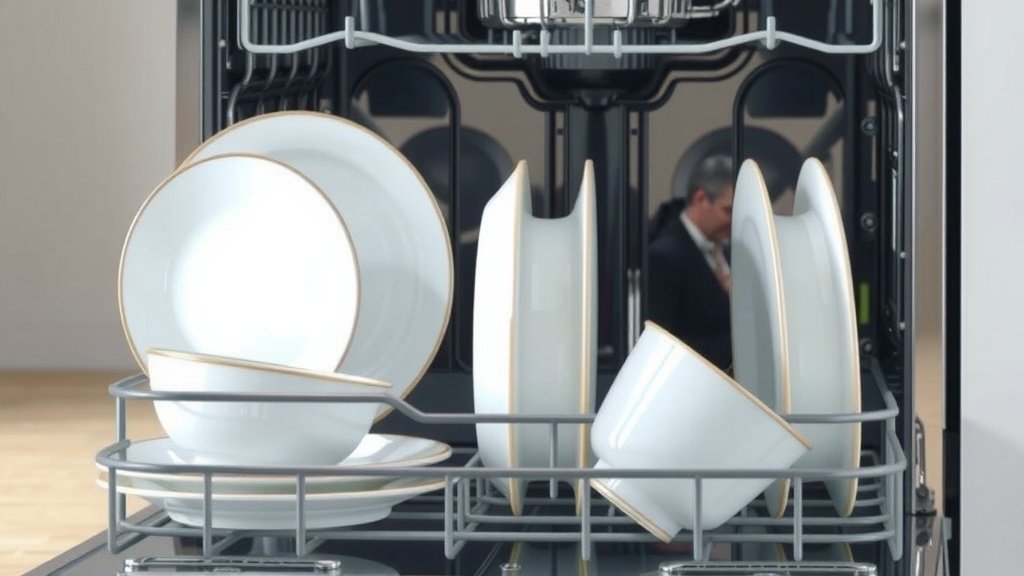
Selecting the correct cycle doesn’t have to be complicated. Just think about your dishes and how dirty they are.
- Is the load lightly soiled? Use Quick Wash.
- Are the dishes average dirty? Use Normal/Auto.
- Is there baked-on food or grease? Use Heavy Duty.
- Are the items delicate or fine china? Use Light/Delicate.
- Can’t run a full load yet? Use Rinse Only.
- When in doubt, consult your dishwasher’s manual.
| Cycle Name | Best For | Water Usage | Energy Usage | Drying Method |
|---|---|---|---|---|
| Normal/Auto | Everyday dishes, average soil | Medium | Medium | Heated or Condensation |
| Heavy Duty | Greasy pans, baked-on food | High | High | Heated |
| Light/Delicate | Fine china, plastics, lightly soiled | Low | Low | Condensation or Air Dry |
| Quick Wash | Lightly soiled, urgent needs | Low to Medium | Low | Often None (Air Dry) |
| Rinse Only | Preventing soil dry-on, odors | Very Low | Very Low | None |
Conclusion
You’ve learned that a dishwasher cycle is more than just a button to press. It’s a carefully designed process of washing, rinsing, and drying. Understanding the different cycles your machine offers means cleaner dishes and smarter resource use. From the quick refresh of a light cycle to the deep clean of a heavy-duty wash, each has its purpose. By choosing the right cycle for your load, you protect your dishes and save water and energy. Now, you can confidently select the perfect setting for your next load, ensuring sparkling results every time.
Frequently Asked Questions
Can I run a dishwasher cycle with just hot water and no detergent?
Yes, you can use a “Rinse Only” or “Pre-Wash” cycle for this purpose. These cycles run water through the machine without adding detergent. This is helpful for rinsing off food particles to prevent them from drying on and causing odors before you run a full load.
What happens if I use the wrong dishwasher cycle?
Using the wrong cycle can lead to disappointing results. A cycle that’s too light might leave dishes dirty, while one that’s too heavy could damage delicate items. You might also use more water and energy than necessary, making your cleaning less efficient.
How do I know if my dishwasher has an “Auto” cycle?
Many modern dishwashers feature an “Auto” or “Sensor” cycle. Look for a button or setting labeled “Auto,” “Sensor Wash,” or similar. This setting typically uses sensors to detect how dirty your dishes are and adjusts the water temperature, amount, and cycle length accordingly for optimal cleaning.
Is there a way to speed up the drying process on any cycle?
Some cycles, like “Normal” or “Heavy Duty,” often include a heated dry option. For cycles that don’t typically include heated drying, like “Quick Wash” or “Delicate,” you might open the dishwasher door slightly after the cycle finishes. This allows moist air to escape and helps dishes air dry faster.
Can I always rely on the “Quick Wash” cycle for speed?
The “Quick Wash” cycle is designed for speed and is best for lightly soiled items. If your dishes have dried-on food or heavy grease, this cycle might not be sufficient. For tougher messes, you’ll likely need a longer cycle like “Normal” or “Heavy Duty” for truly clean results.