
Dishwasher Not Cleaning? Try These Fixes
If your dishwasher isn’t cleaning dishes properly, the most common culprits are a clogged filter, improper loading, or old/ineffective detergent. You can often fix this yourself by performing a few simple checks and maintenance steps. We found that tackling these basic issues resolves most dirty dish problems.
Dirty dishes after a wash cycle can be frustrating, but it’s usually not a sign of a major appliance failure. Common problems like food debris left on plates, cloudy glasses, or greasy film can often be traced back to simple user errors or minor maintenance needs. Many experts agree that a little attention can restore your dishwasher’s sparkling performance.
- Check and clean your dishwasher filter regularly.
- Load your dishwasher correctly to allow water and detergent to reach all surfaces.
- Use fresh, high-quality dishwasher detergent.
- Ensure your dishwasher’s spray arms aren’t blocked.
- Run a cleaning cycle for your dishwasher itself.
Let’s walk through some easy troubleshooting steps to get your dishwasher cleaning like new again!
Troubleshooting Why Your Dishwasher Isn’t Cleaning
It’s a common kitchen woe: you unload the dishwasher, only to find food bits still clinging to plates and a cloudy film on your glasses. Don’t worry, this is usually a fixable problem! Many experts say that a dishwasher not cleaning well often stems from a few basic issues you can tackle yourself.
Check and Clean Your Dishwasher Filter
This is probably the most common reason for poor cleaning performance. Over time, food particles, grease, and other gunk can clog your dishwasher’s filter. A clogged filter prevents water from circulating properly, meaning it can’t reach your dishes effectively.
Locating Your Filter
Most dishwasher filters are located at the bottom of the tub, usually under the lower spray arm. You might need to remove the lower rack to get a good look. Consult your dishwasher’s manual if you’re unsure of its exact location. It’s usually a cylindrical or flat mesh piece.
Cleaning the Filter
Once you find it, twist and lift the filter out. You’ll likely see a collection of debris. Rinse it under warm running water. For tougher grime, use a soft brush (like an old toothbrush) and a little dish soap. A thorough rinse should do the trick. Many sources recommend cleaning this filter at least once a month.
Replacing the Filter
Make sure to place the filter back correctly after cleaning. It usually snaps or twists into place. Running the dishwasher without the filter can actually push debris further into the machine, causing bigger problems down the line.
Is Your Dishwasher Loaded Correctly?
How you load your dishwasher makes a huge difference. Packing too much in or blocking the spray arms can create “dead zones” where water and detergent can’t reach. Think of it like trying to water plants with your finger over the hose end – not very effective!
Don’t Overcrowd
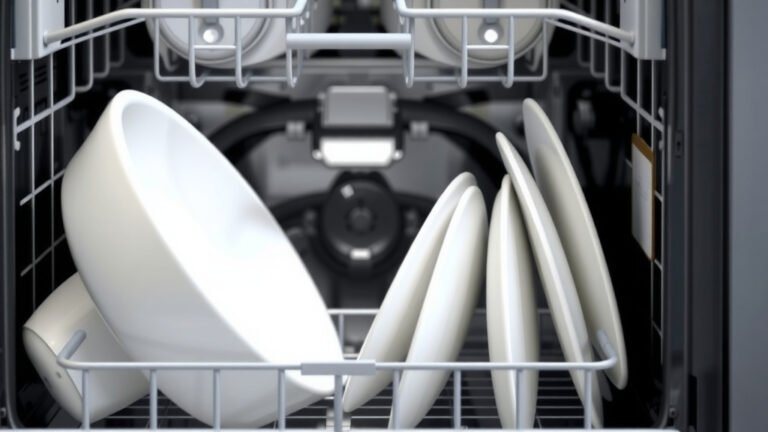
Give your dishes space. Overcrowding means dishes are touching too much, and water can’t get between them. This is especially true for bowls and containers. Ensure the water can reach every surface. Research suggests that proper spacing is key for optimal cleaning (Good Housekeeping).
Facing the Right Way
Bowls, cups, and glasses should be placed face down or at an angle so they fill with water and drain properly. Pots and pans can usually go on the bottom rack, facing the spray arm. Avoid letting items nestle too closely together. Think about how water would naturally flow and rinse.
Keeping Spray Arms Clear
Make sure no tall utensils or large items are blocking the spray arms from spinning freely. If the spray arms can’t rotate, they can’t distribute water effectively. Give them a gentle push to ensure they spin without hitting anything.
The Dishwasher Detergent Factor
Using the right detergent and making sure it’s fresh is critical. Old or ineffective detergent won’t break down food particles and grease properly. Many experts point out that detergent loses its effectiveness over time.
Freshness Matters
Dishwasher detergent, especially powder and gel, can lose its cleaning power if it gets damp or sits around for too long. If your detergent box feels clumpy or the pods seem to be sticking together, it might be time for a new supply. We found that switching to a newer box can often solve dirty dish issues.
Choosing the Right Type
Powder, liquid, and pod detergents all have their pros and cons. Pods are convenient, but some users report they don’t always dissolve completely in certain machines. Powders are effective but can sometimes be messy. Liquids are a good middle ground. Many manufacturers recommend using detergents specifically designed for automatic dishwashers, not hand dish soap, which can cause excessive suds and overflow.
Amount of Detergent
Using too little detergent means your dishes won’t get clean. Using too much can leave a cloudy film, especially on glassware. Follow the recommendations on your detergent packaging and your dishwasher’s manual. A good rule of thumb is to fill the detergent cup completely but not overstuff it.
Are Your Spray Arms Clogged?
Just like the filter, the holes in your dishwasher’s spray arms can get clogged with food debris and mineral deposits. If these holes are blocked, water can’t spray out with enough force to clean your dishes effectively.
Inspect and Clean
You can often remove the spray arms by unscrewing or unclipping them. Use a toothpick, a thin wire, or a small brush to clear out any debris from the holes. Rinse them thoroughly under running water. Many appliance repair sites suggest this as a common maintenance task.
Reassemble Carefully
Ensure the spray arms are reattached securely. Make sure they can spin freely before you start a cycle. A clogged spray arm is like trying to drink through a straw with a hole in it – frustrating and ineffective!
Dishwasher Maintenance Cycle
Your dishwasher needs cleaning too! Over time, grease and mineral buildup can affect its performance. Running a cleaning cycle can help remove these stubborn residues.
Using a Dishwasher Cleaner
There are many commercial dishwasher cleaners available. You can also use a cup of white vinegar placed on the top rack of an empty dishwasher. Run the dishwasher on a hot cycle. This process helps to descale and deodorize your machine. Several home appliance guides recommend doing this every few months.
What to Expect
After a cleaning cycle, you might notice less residue on your dishes and a fresher smell from the machine. It’s like giving your dishwasher a spa day, leaving it ready to tackle its job with renewed vigor.
Quick Checklist for Cleaner Dishes
Here’s a handy list to quickly review:
- Check and clean your dishwasher filter.
- Ensure dishes aren’t blocking spray arms.
- Load dishes with enough space between them.
- Use fresh, high-quality dishwasher detergent.
- Scrape off large food scraps before loading.
- Run an empty cleaning cycle with vinegar or cleaner monthly.
Conclusion
You’ve learned that a dishwasher not cleaning effectively is usually a fixable issue. By checking your filter, loading dishes properly, and ensuring fresh detergent, you can often restore sparkling results. Don’t forget to keep your spray arms clear and run an occasional cleaning cycle for your machine. These steps are simple but make a big difference. Take a few minutes to perform these checks, and you’ll likely enjoy cleaner dishes without needing a repair person.
Frequently Asked Questions
My dishwasher still smells bad even after running a cleaning cycle. What else can I do?
If a cleaning cycle didn’t eliminate odors, check your dishwasher’s drain. Food debris can accumulate there, causing smells. You can often access and clean the drain yourself, or consult your manual for specific instructions. Ensure you’re also regularly cleaning the filter to prevent future odor buildup.
Why are my glasses coming out cloudy after washing?
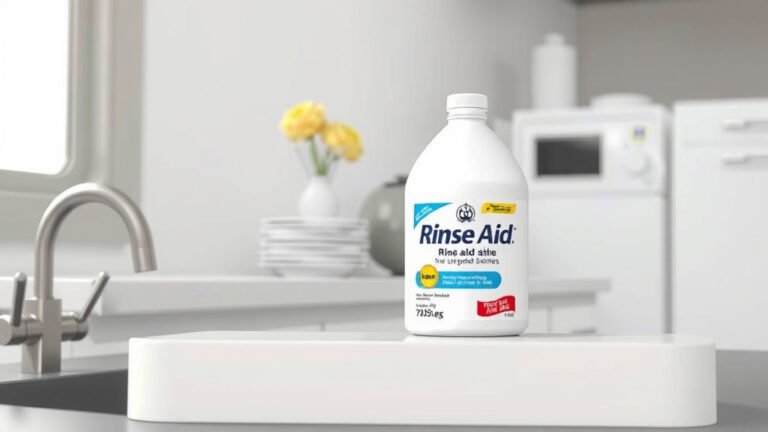
Cloudy glasses are often caused by using too much detergent, especially in hard water areas. It can also signal that your dishwasher’s rinse aid dispenser is empty. Try reducing the amount of detergent you use or refilling the rinse aid. Running a cleaning cycle with vinegar can also help remove existing mineral deposits causing cloudiness.
Can I use regular dish soap in my dishwasher?
No, you should never use regular hand dish soap in your dishwasher. It creates far too many suds, which can cause your dishwasher to overflow and potentially damage the appliance. Always use detergent specifically designed for automatic dishwashers.
How often should I really be cleaning my dishwasher filter?
For most households, cleaning the dishwasher filter once a month is ideal. If you notice your dishwasher isn’t cleaning well or you frequently wash heavily soiled items, you might need to check and clean it more often. A quick visual check every couple of weeks can help you gauge how quickly it gets dirty.
What if my dishwasher’s spray arms aren’t spinning?
If your spray arms aren’t spinning, they are likely blocked by dishes or utensils. Ensure no tall items on your racks are preventing them from rotating. You should also check the spray arm holes for clogs, as this can reduce water pressure and affect their movement. Give them a gentle spin by hand to confirm they are free to move.