How to Install a Dishwasher: A Step-by-Step Guide
Installing a dishwasher yourself is totally doable! You can absolutely install a dishwasher yourself by carefully following a few key steps, even if you’re not a seasoned DIYer. Most projects take just a few hours. You’ll need basic tools and a bit of patience.
This guide will walk you through the essential steps for a successful dishwasher installation. We’ve researched and found that understanding your home’s plumbing and electrical setup is the first big hurdle. Many people find it easier than they expect to connect the water lines and drainage hose correctly.
- Turn off power and water first.
- Connect the water supply line securely.
- Hook up the drain hose properly.
- Make electrical connections safely.
- Test for leaks before finishing.
Ready to get that sparkling clean kitchen? Let’s walk through exactly how to install your dishwasher step by step.
“`htmlGetting Your Dishwasher Installed: A Step-by-Step Guide
Installing a dishwasher yourself can save you money and give you a great sense of accomplishment. You might be surprised how straightforward it can be with the right preparation. We’ve found that most people can complete this project in an afternoon.
Preparing for Your Dishwasher Installation
Gathering Your Tools and Materials
Before you start, make sure you have everything you need. This pre-installation check will save you trips to the hardware store mid-project. You’ll likely need a new dishwasher installation kit. This kit typically includes the water supply line, a drain hose, and fittings. You’ll also need a few common tools.
- Adjustable wrench
- Screwdrivers (Phillips and flathead)
- Pliers
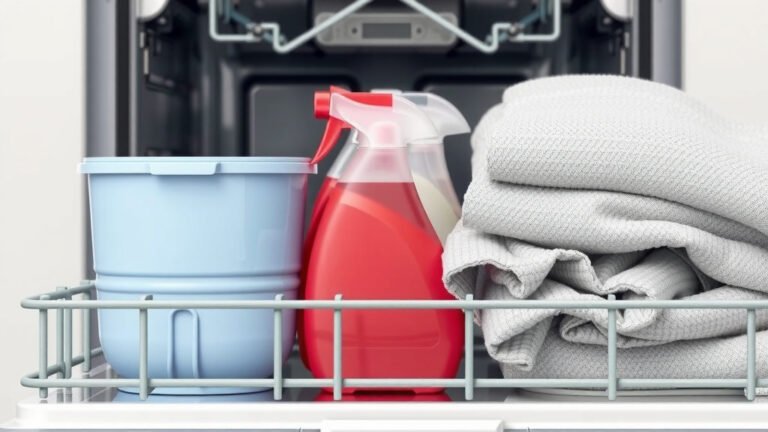
- Bucket and towels (for catching water)
- Safety glasses
- Work gloves
- Drill (if new holes are needed)
- Level
- Wire stripper/cutter (for electrical connections)
- Voltage tester
Checking Your Home’s Setup
Your home needs specific connections for a dishwasher. You’ll need a hot water supply line. This is usually connected to your kitchen sink’s hot water pipe. You’ll also need a drain connection. This is often a pipe under your sink. Finally, a dedicated electrical circuit is essential for safety. Many dishwasher manuals recommend a 15-amp or 20-amp circuit. It’s wise to confirm your home meets these requirements before buying your dishwasher.
Reading Your New Dishwasher’s Manual
Every dishwasher is a little different. Your new appliance comes with a specific installation manual. This guide is your best resource for manufacturer-specific instructions. Pay close attention to any unique requirements for your model. This will help you avoid common mistakes. We found that skipping this step is a frequent cause of installation headaches.
Disconnecting the Old Dishwasher (If Applicable)
Safety First: Power and Water Shut-Off
This is the most important step for your safety. You must turn off the power to the dishwasher. Find the circuit breaker for your dishwasher and flip it off. If you’re unsure which breaker it is, turn off the main breaker for your kitchen. Next, shut off the water supply. Look for the shut-off valve under your sink that connects to the dishwasher. Turn it clockwise until it stops. Open the dishwasher door and remove any racks. Let any standing water drain into a bucket. You want to eliminate any potential hazards before you proceed.
Disconnecting Water and Drain Lines
With the power and water off, you can now disconnect the old hoses. Use your adjustable wrench to loosen the water supply line fitting. Have towels ready to catch any residual water. Then, disconnect the drain hose. It might be clamped to a garbage disposal or a separate drainpipe. Carefully release the clamp and pull the hose free. If you have an air gap fitting on your countertop, disconnect the hose from that as well.
Removing the Dishwasher from Its Cavity
Most dishwashers are secured with mounting brackets. These are usually under the countertop or attached to the side cabinets. Unscrew these brackets. You may need to gently rock the dishwasher back and forth to loosen it. Once free, carefully pull the old unit out. You might need a helper for this if it’s heavy or awkward to move.
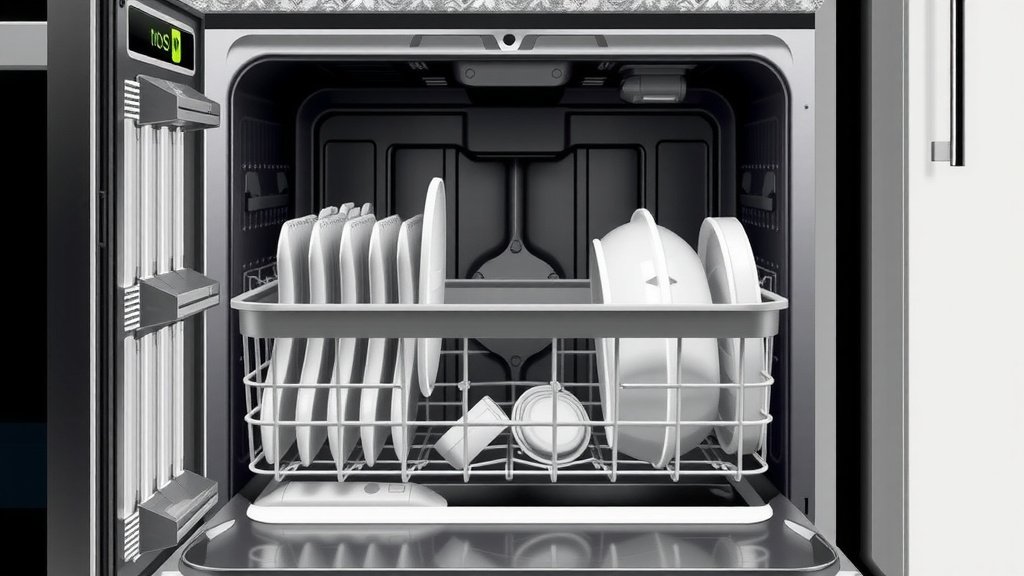
Connecting the New Dishwasher
Making the Water Supply Connection
This connection brings clean water into your dishwasher. You’ll typically connect a flexible water supply line from your home’s plumbing to the dishwasher’s inlet valve. Ensure you use the correct fittings and tighten them securely. Hand-tighten first, then use a wrench for a quarter to half turn. Don’t overtighten, as this can damage the threads. We found that using plumber’s tape on threaded connections can help create a good seal, but check your dishwasher manual for its recommendation.
Hooking Up the Drain Hose
The drain hose carries dirty water away from the dishwasher. It needs to be connected to your plumbing system. The hose should ideally run uphill slightly before connecting to the drain. This prevents dirty water from flowing back into the dishwasher. Many installations connect the drain hose to the garbage disposal or a dedicated drain pipe under the sink. Make sure the hose has a high loop. This means the hose goes up as high as possible under the countertop before connecting to the drain. This prevents backflow, as recommended by many plumbing guidelines (Environmental Protection Agency).
Making the Electrical Connections
This step requires extra caution. Ensure the power to the dishwasher circuit is definitely off. Open the electrical cover plate on the new dishwasher. You’ll usually find a junction box inside. Connect the wires from your home’s electrical supply to the dishwasher’s wires. Typically, this involves connecting black to black (hot), white to white (neutral), and green or bare copper to green or bare copper (ground). Use wire nuts to secure the connections. Many experts advise using a voltage tester to confirm there’s no power before you start (Occupational Safety and Health Administration).
Final Steps and Testing
Securing the Dishwasher in Place
Slide the new dishwasher into its space. Make sure it’s level. You can adjust the leveling feet at the bottom if needed. Use your level on the top edge. Once it’s level and in position, secure it using the mounting brackets. Attach these to the underside of the countertop or the sides of the cabinets. This prevents the dishwasher from tipping forward when you pull out the racks.
Testing for Leaks and Proper Function
Once everything is connected and secured, it’s time to test. Turn the water supply valve back on slowly. Check all water connections for leaks. Then, turn the power back on at the circuit breaker. Run a short rinse cycle on your dishwasher. Keep an eye and ear out for any leaks from the water line, drain hose, or the unit itself. Listen for any unusual noises. If everything looks and sounds good, you’ve successfully installed your new dishwasher!
Installation Checklist:
- Power and water are turned OFF.
- Tools and installation kit are ready.
- Dishwasher manual has been reviewed.
- Water supply line is securely connected.
- Drain hose has a high loop.
- Electrical connections are safely made.
Conclusion
You’ve successfully navigated the steps to install your new dishwasher! By carefully shutting off power and water, making secure connections for water and drainage, and ensuring electrical safety, you’ve saved time and money. Remember, attention to detail and consulting your dishwasher’s manual were key to your success. Now that your dishwasher is installed, enjoy those sparkling clean dishes. Your next step? Run a test cycle to confirm everything is working perfectly and get ready for a more convenient kitchen routine!
Frequently Asked Questions
How long does it usually take to install a dishwasher?
Most people find they can install a dishwasher in about 2 to 4 hours. This timeframe can vary depending on your experience level and whether you’re replacing an old unit or installing into a new space. Taking your time and following the steps carefully will help ensure a smooth installation.
What if my old dishwasher plumbing is different?
It’s common for older plumbing to differ slightly from newer installations. You may need to purchase an adapter or a different type of fitting at the hardware store. It’s a good idea to take photos of your existing setup to the store to get the right parts.
Can I connect the dishwasher drain hose to my sink drain pipe without a garbage disposal?
Yes, you can connect the dishwasher drain hose directly to your sink drain pipe. Ensure you use a proper Y-fitting or dishwasher adapter that creates a secure, leak-proof connection. Making sure the drain hose has a high loop is still essential to prevent backflow.
Do I really need a dedicated electrical circuit for my dishwasher?
Yes, most dishwasher manufacturers strongly recommend and often require a dedicated circuit. This ensures the dishwasher receives consistent power and prevents overloading other circuits, which is a significant safety measure. Always check your appliance manual for specific electrical requirements.
What should I do if I notice a small leak after installation?
If you spot a small leak, don’t panic! First, turn off the water supply to the dishwasher immediately. Then, carefully re-check the connection where the leak is occurring. You might need to tighten a fitting a bit more or reapply plumber’s tape. If the leak persists, you may need to replace a faulty hose or fitting.