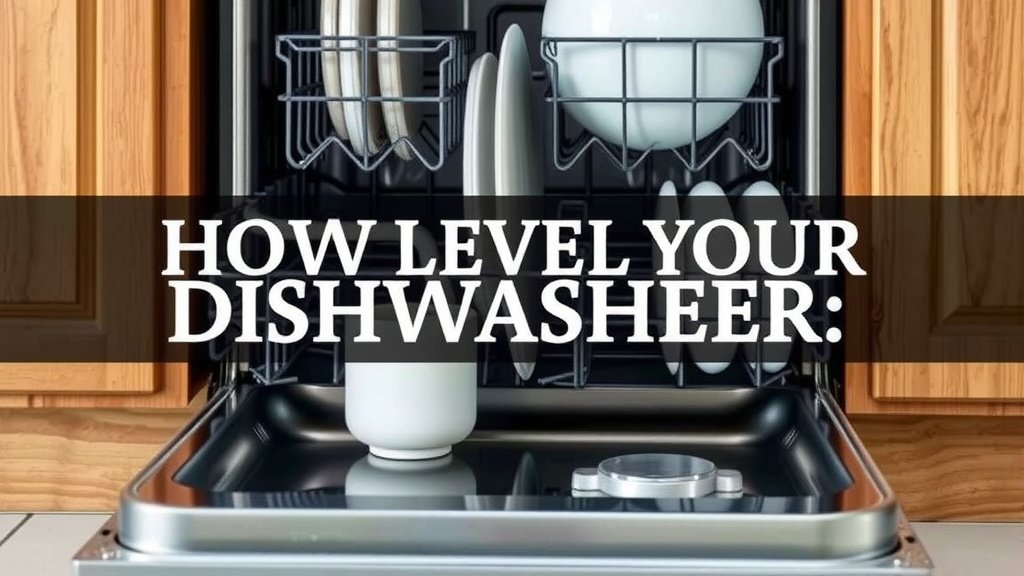
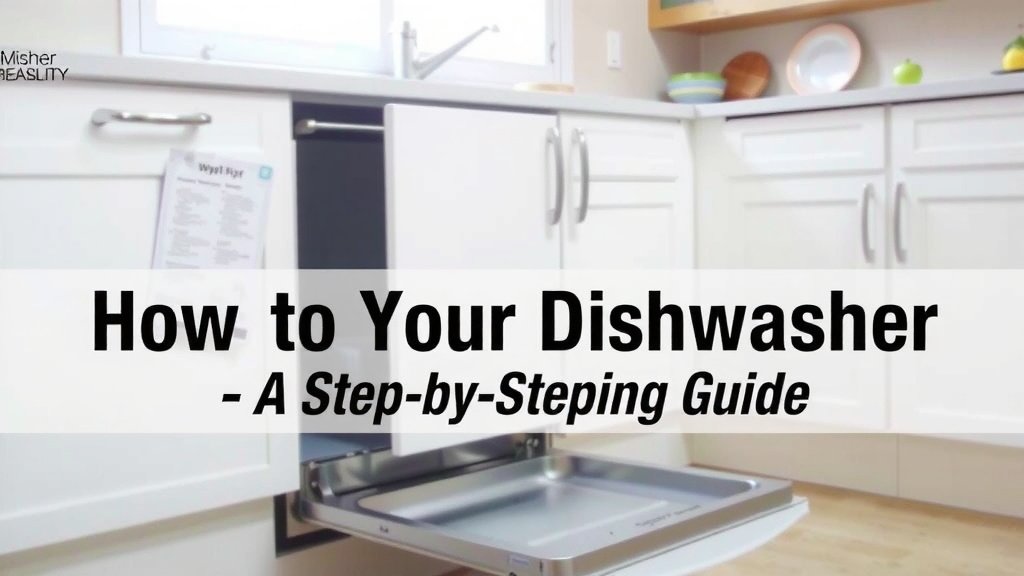
How to Level Your Dishwasher: A Step-by-Step Guide
Your dishwasher might be rocking and rolling during cycles, but that’s not a good thing. You can fix a wobbly dishwasher by adjusting its leveling feet. This is a straightforward DIY task that often takes less than an hour. A properly leveled dishwasher runs more quietly and cleans dishes more effectively. It also helps prevent water from pooling inside.
A dishwasher that isn’t level can cause problems. Water may not drain correctly, leaving dirty residue on your dishes. The door might not seal properly, leading to leaks. It can also put extra strain on the motor and pump. Many experts agree that keeping your dishwasher stable and level is key to its longevity and performance. We found that most dishwashers have adjustable feet for this exact purpose.
- Check if your dishwasher is rocking.
- Locate the adjustable feet at the bottom.
- Use a level to ensure it’s straight.
- Adjust the feet until the unit is stable.
- Test it by running a short cycle.
Ready to stop the wobble? Let’s walk through exactly how to get your dishwasher sitting perfectly straight, step by step.
Getting Your Dishwasher to Sit Right
A rocking dishwasher is more than just annoying. It can lead to messy dishes and potential leaks. You can fix this common problem by adjusting the dishwasher’s leveling feet. This guide will walk you through the process, making it simple even for beginners.
Why a Level Dishwasher Matters
You might wonder why it’s so important for your dishwasher to be perfectly straight. A level appliance is a happy appliance. It ensures proper drainage and a good seal. This means cleaner dishes and less water on your floor.
Performance and Efficiency Boost
When your dishwasher sits unevenly, the internal components can’t work as intended. The spray arms might not distribute water effectively. This can leave food particles stuck on your plates. Many appliance manuals stress that proper leveling is key for optimal cleaning cycles (Whirlpool Service Manual).
Preventing Leaks and Water Damage
An unlevel dishwasher door might not close tightly. This creates a gap where water can escape. Over time, even small leaks can cause water damage to your cabinets and flooring. Keeping the unit level ensures a tight seal, preventing these messy mishaps.
Reducing Noise and Vibration
Does your dishwasher sound like it’s training for a marathon during its wash cycle? That shaking and rattling is often due to it not being level. Adjusting the feet will stabilize the unit, making it run much more quietly. You’ll barely know it’s on!
Steps to Level Your Dishwasher
Ready to tackle this DIY project? It’s a straightforward process that requires just a few tools. Let’s get started.
Gather Your Tools
You won’t need a toolbox full of gadgets for this. Most of what you need is probably already in your home. Here’s what we recommend:
- A Level: A small spirit level or a torpedo level works best. You can even use the level on a measuring tape.
- An Adjustable Wrench or Pliers: These will help you turn the leveling feet. Some feet might just twist by hand.
- A Helper (Optional but Recommended): Having an extra pair of hands can make tilting the dishwasher easier.
- Towels or Rags: Keep these handy for any unexpected drips.
Accessing the Leveling Feet
The leveling feet are located at the bottom of your dishwasher. To get to them, you’ll usually need to slightly pull the unit away from the cabinets. Don’t pull it out completely!
You might need to remove the kick plate. This is the thin panel at the very bottom of the dishwasher, usually held on by a couple of screws or clips. Once removed, you’ll see the feet.
Dealing with Tight Spaces
If your dishwasher is snug against the counters, getting access can be tricky. You might need to loosen the mounting brackets that attach the dishwasher to the countertop. These are usually found under the lip of the countertop. Be gentle when loosening them; you don’t want to damage your counter.
Checking the Dishwasher’s Levelness
Now it’s time to use your level. Place it on top of the dishwasher. Check the level from front to back and then side to side. Your dishwasher is level when the bubble in the level is perfectly centered in both directions.
If the bubble is off-center, your dishwasher needs adjusting. The direction the bubble leans indicates which way your dishwasher is tilting.
Understanding the Level Readings
Imagine the bubble is closer to the front. This means the front of your dishwasher is too high. You’ll need to lower the front feet. If the bubble leans to the left, the left side is too high. You’ll need to lower the left feet.
Adjusting the Leveling Feet
This is where you make the magic happen. Most dishwashers have four leveling feet. They typically screw into the base of the unit.
To raise a corner: You’ll need to screw the corresponding foot down. This means turning it counter-clockwise.
To lower a corner: You’ll need to screw the corresponding foot up. This means turning it clockwise. You might need to tilt the dishwasher slightly to access and turn the feet effectively.
Fine-Tuning the Adjustment
Make small adjustments at a time. After each adjustment, place the level back on top and check your progress. Repeat the process until the bubble is centered. It often takes a few tries to get it just right.
We found that turning the feet even a half-turn can make a noticeable difference. Patience is key here.
Testing Your Work
Once you believe your dishwasher is level, push it back into its spot. Re-secure any mounting brackets you loosened. Reattach the kick plate.
Run a short rinse cycle or a quick wash. Listen for excessive noise or vibration. Open the door afterward to check for any signs of leaks. A successful leveling job means a quieter, more efficient wash.
Troubleshooting Common Issues
What if you can’t seem to get it level? Sometimes, the leveling feet might be damaged or stuck. If a foot won’t turn, you might need to gently spray it with a penetrating lubricant. Always check your dishwasher’s manual for specific advice.
If you’ve tried everything and it’s still wobbly, it might be time to call a professional. Some dishwashers have internal issues that are beyond simple adjustments.
Dishwasher Leveling Checklist
Here’s a quick rundown to ensure you’ve got everything covered:
- Confirm the dishwasher is rocking before you begin.
- Gather your level, wrench or pliers, and optional helper.
- Carefully remove the kick plate for access to the feet.
- Use the level to check front-to-back and side-to-side.
- Adjust feet by turning clockwise to raise or counter-clockwise to lower.
- Test with a short wash cycle to check for stability and leaks.
Conclusion
You’ve now seen how simple it is to level your dishwasher. This DIY task can save you from noisy cycles and messy leaks. By adjusting those feet, you ensure your appliance runs efficiently. This means cleaner dishes and less worry about water damage. Take a moment this week to check your dishwasher’s stability. A few small turns can make a big difference!
Frequently Asked Questions
Do I really need to level my dishwasher?
Yes, leveling your dishwasher is important for optimal performance. It ensures proper water drainage, prevents leaks from a poor door seal, and helps your dishwasher run more quietly and efficiently. A stable unit lasts longer too.
How do I know if my dishwasher is not level?
You’ll likely notice your dishwasher rocking or shaking during cycles. You might also see water pooling inside after a wash, or hear unusually loud noises. An uneven door seal can also be a tell-tale sign of an unlevel appliance.
Can I level my dishwasher myself, or do I need a professional?
Most people can level their dishwasher themselves. It’s a straightforward DIY job requiring basic tools like a level and wrench. You typically only need a professional if the leveling feet are damaged or stuck, or if you suspect a more serious internal issue.
What if the leveling feet are hard to turn?
If your leveling feet are difficult to adjust, try using pliers for better grip. Sometimes, a little penetrating lubricant can help loosen them up. Remember to make small adjustments and re-check your level often.
Will leveling fix poor cleaning performance?
Often, yes! If your dishwasher isn’t level, the spray arms may not distribute water evenly. This can leave food particles behind on your dishes. Correcting the level can significantly improve your dishwasher’s cleaning ability.