
What’s Not Dishwasher Safe: Essential Items To Hand Wash
Not everything is safe for your dishwasher. In fact, putting the wrong items in can lead to damage to both your dishes and your appliance. Many common household items, like wooden utensils and certain plastics, should never go through a wash cycle. Understanding what’s not dishwasher safe is key to a longer lifespan for your kitchenware.
Dishwashers use high heat and powerful jets. This combination can be tough on delicate materials. Items with painted designs, certain metals, and even some types of glass can become dulled or cracked. It’s always best to check labels or err on the side of caution before loading.
- Wooden items can warp or split.
- Sharp knives will become dull.
- Certain plastics can melt.
- Items with hand-painted designs will fade.
- Cast iron should never be washed.
Let’s walk through exactly what you should keep out of your dishwasher to keep everything looking its best.
You’ve got a shiny new dishwasher, and you’re ready to tackle that pile of dishes. But wait! Before you load up, it’s important to know that not everything belongs in there. Some items can get damaged, and some could even harm your dishwasher. Let’s take a look at what you should keep out of the wash cycle.
What Items Should You Avoid in Your Dishwasher?
Many common kitchen items can be ruined by the heat and water pressure of a dishwasher. Your goal is to protect both your dishes and your appliance. We’ve found that a little care upfront saves a lot of headaches later.
Materials That Can’t Handle the Heat
Dishwashers use hot water and hot air for drying. This high heat is the biggest culprit for damaging certain materials. You’ll want to be extra careful with anything made from these substances.
Woods and Bamboo
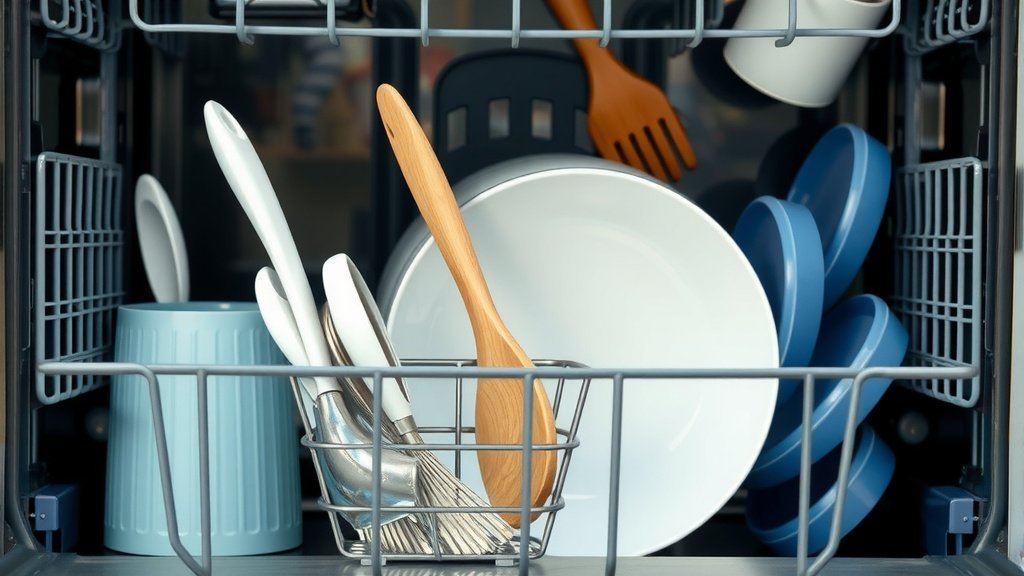
Think about your favorite wooden spoon or cutting board. The dishwasher’s heat and moisture can cause wood to warp, crack, or split. It can also strip away any protective oil, leaving the wood dry and vulnerable. Bamboo items can suffer a similar fate, becoming brittle or warped.
Certain Plastics
Not all plastics are created equal when it comes to dishwashers. Plastics marked “dishwasher safe” are usually fine. But, if you have older plastic containers or those without a clear label, they might melt or warp. This can happen even on the top rack, which is generally cooler. It’s safer to hand wash these items.
Insulated Mugs and Travel Cups
Those fancy insulated travel mugs are designed to keep drinks hot or cold. Dishwashers can break the seal between the inner and outer walls. This can lead to water seeping in, reducing their effectiveness. The vacuum seal can also be compromised. Many manufacturers recommend hand washing these.
Finishes and Decorations at Risk
It’s not just the material itself, but what’s on it that can be a problem. Delicate finishes and hand-applied decorations are very vulnerable.
Hand-Painted or Glued-On Designs
Items with hand-painted designs, decals, or glued-on embellishments should stay out. The hot water and detergent can easily cause these decorations to fade, chip, or peel off. Your beautiful mug might end up looking sad and plain after just one cycle. The same goes for items with intricate patterns that look painted on.
Cast Iron Cookware
This is a big one for chefs and home cooks alike. Cast iron pans develop a natural non-stick coating called seasoning. Dishwasher detergent is harsh and will strip away this precious seasoning. It can also cause the pan to rust. Always hand wash and dry your cast iron thoroughly.
Non-Stick Pans with Damaged Coatings
While many non-stick pans are labeled dishwasher safe, it’s a good idea to check their condition. If the non-stick coating is already scratched or peeling, the dishwasher can make it worse. The harsh detergents and intense spray can further degrade the coating. Hand washing gently will help them last longer.
Sharpness and Specialty Items
Some items lose their primary function when put through the dishwasher. Keeping them sharp and in good condition requires manual cleaning.
Good Knives and Cutting Utensils
High-quality knives, especially those with sharp edges, should never go in the dishwasher. The intense heat and jostling can dull the blade. The detergent can also degrade the handle material over time. For longevity and safety, always hand wash your best knives and dry them immediately.
Anything with a Copper or Aluminum Bottom
Cookware with copper or aluminum bottoms can discolor in the dishwasher. The detergents can cause these metals to oxidize, leaving them looking dull and stained. While it might not affect performance, it certainly affects their appearance. Check the manufacturer’s recommendations for these items.
Crystal and Delicate Glassware
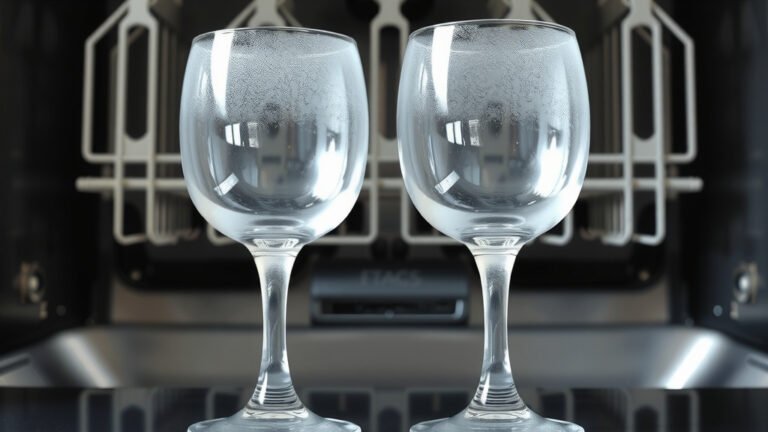
While many glass items are fine, delicate crystal or vintage glassware can be a problem. The heat and powerful water jets can cause hairline cracks or chips. Crystal can also lose its sparkle and become cloudy. If you’re unsure, hand washing is the safest bet for these precious pieces.
Don’t Forget These Household Items!
It’s not just dishes and cookware. Some everyday items can also be damaged.
Items with Glued Parts
Think of things like cheese graters with wooden handles or certain colanders. If parts are glued together, the dishwasher’s heat and moisture can weaken or dissolve the glue. This can lead to the item falling apart. Always check how an item is constructed.
Certain Electronics or Battery-Operated Items
This might seem obvious, but you’d be surprised. Any item with batteries or electronic components, like a digital meat thermometer, should never be submerged in water. The dishwasher is a definite no-go. Water and electronics don’t mix!
Here’s a quick rundown of items to always keep out of your dishwasher:
- Wooden spoons and cutting boards
- Most plastics without a “dishwasher safe” label
- Cast iron cookware
- Good quality knives
- Hand-painted or delicate decorative items
- Insulated travel mugs
By taking a moment to consider what you’re loading, you can keep your kitchenware in top shape. Your dishwasher will thank you, and so will your favorite spatula!
Conclusion
You’ve learned that protecting your kitchenware from your dishwasher is simpler than you might think. By keeping items made of wood, certain plastics, and cast iron out, you prevent damage. Paying attention to finishes like hand-painted designs and protecting sharp blades ensures longevity. You’re now equipped to make smart choices about what goes in your dishwasher. Take a moment before your next load to quickly check labels or consider the material. This simple habit will help your favorite items last much longer.
Frequently Asked Questions
Will my dishwasher ruin my good knives?
Yes, your dishwasher can dull the blades of good knives over time. The intense heat, detergent, and jostling can damage the sharp edge. It’s best to hand wash and dry your best knives immediately to maintain their sharpness and prevent damage to the handles.
Can I put all my plastic containers in the dishwasher?
Not all plastic containers are dishwasher safe. Look for a “dishwasher safe” label. If an item doesn’t have one, or if it’s an older plastic, it might melt or warp from the heat. It’s safer to hand wash these items to be sure.
What happens if I put my cast iron pan in the dishwasher?
Putting cast iron in the dishwasher is a big no-no. The harsh detergents will strip away the pan’s natural non-stick seasoning. It can also lead to rust forming on the iron. Always hand wash cast iron and dry it thoroughly.
Are insulated travel mugs safe for the dishwasher?
Generally, no. Dishwashers can break the seal on insulated travel mugs. This allows water to seep in between the layers, ruining their ability to keep drinks hot or cold. Most manufacturers recommend hand washing these items.
What if my glassware has a delicate design on it?
If your glassware has hand-painted designs, decals, or glued-on embellishments, it’s not dishwasher safe. The hot water and strong detergent can cause these decorations to fade, chip, or peel off. Hand washing is the safest way to preserve these delicate details.