Dishwasher Cloudy Glasses: Causes and Fixes
Cloudy glasses in your dishwasher are usually caused by a combination of hard water and improper washing conditions. This often happens when minerals from your water supply build up on your glassware. Other common culprits include using too little detergent or a rinse aid that isn’t quite cutting it. You might also be overloading your dishwasher, preventing water from reaching all surfaces effectively.
Understanding these causes helps you get back to enjoying sparkling clean dishes. It’s not just about the water quality; the type of detergent you use and your dishwasher’s loading habits play a big role. Many people don’t realize that a few simple adjustments can make a world of difference in your dishwashing results. We’ve looked into the science behind this common problem.
- Hard water deposits are a major reason for cloudy dishes.
- Not using enough detergent can leave residue.
- Improper loading prevents thorough cleaning.
- Detergent or rinse aid issues can also be to blame.
- Dishwasher temperature matters for proper cleaning.
Let’s walk through the most common reasons your dishwasher might be leaving your glasses looking less than crystal clear, and what you can do about it.
Why Are Your Dishwasher Glasses Still Cloudy?
It’s frustrating, isn’t it? You run the dishwasher, expecting sparkling glassware, but instead, you pull out dishes that look foggy or milky. Don’t worry, you’re not alone in this common kitchen conundrum. We’ve looked into why this happens, and it often boils down to a few key factors that you can likely fix.
The Science Behind the Smudges: Hard Water Woes
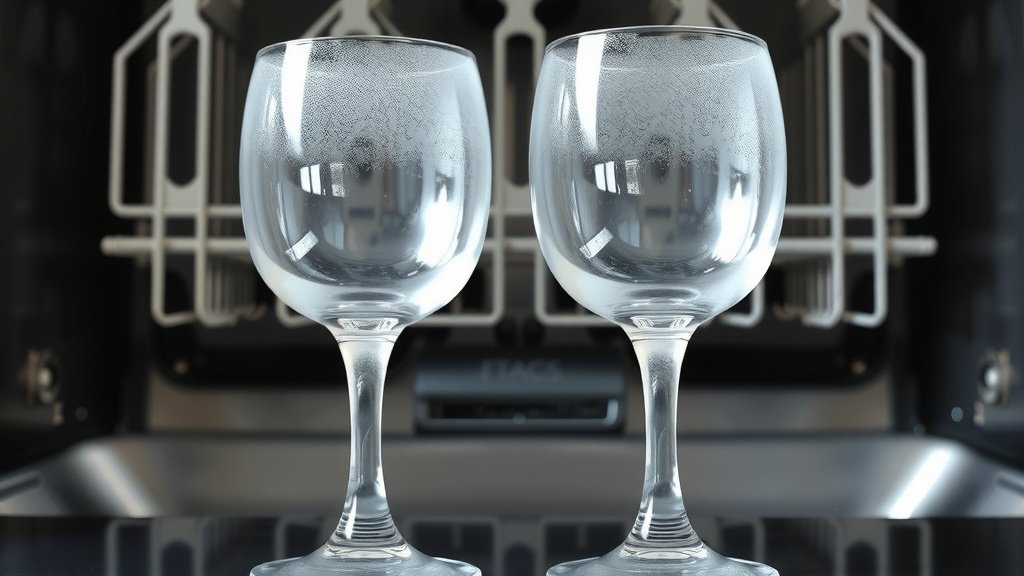
The most frequent culprit behind cloudy glassware is hard water. Your water supply likely contains dissolved minerals like calcium and magnesium. When your dishwasher heats this water, these minerals can leave behind a chalky residue on your dishes. Over time, this builds up, creating that hazy film you see on your glasses. It’s like limescale in your coffee maker, but on your drinkware.
Understanding Your Water’s Mineral Content
If you live in an area known for hard water, this is probably your main offender. You might notice mineral buildup elsewhere in your home, too, like on faucets or showerheads. Many regions in the United States have significantly hard water. A simple water hardness test kit, available at most hardware stores, can confirm if this is an issue for you.
The Impact of Rinse Aid
While rinse aid is designed to help water sheet off your dishes, making them dry faster and reducing spots, it might not be enough to combat very hard water. If your rinse aid dispenser is full but you’re still seeing cloudiness, the water’s mineral content might be too high for the standard rinse aid to handle effectively.
Detergent Dos and Don’ts for Crystal Clear Results
The type and amount of detergent you use play a huge role. Using the wrong kind or not enough can leave behind food particles and mineral deposits, leading to that frustrating fog. Let’s break down what works best.
Not Enough Detergent: The Under-Dosing Dilemma
It might seem counterintuitive, but using too little detergent can cause cloudiness. When there isn’t enough detergent to break down food particles and grease effectively, those residues can redeposit onto your glasses. Think of it like trying to wash a greasy pan with just a tiny drop of soap; it just won’t get clean. Many experts recommend using the amount suggested on the detergent packaging (National Sanitation Foundation).
The Right Type of Detergent Matters
There are many types of dishwasher detergents: powders, gels, and pods. Some gels can be less effective, especially in hard water. Pods often contain a good balance of cleaning agents and rinse aid. If you’re using a gel and experiencing issues, you might consider switching. Also, be aware of detergents that contain phosphates. While older phosphates were very effective at softening water, they’ve been phased out in many areas due to environmental concerns. Modern phosphate-free detergents may require other adjustments.
When Detergent is Too Old
Dishwasher detergent, especially powders, can lose its effectiveness over time. If you have a box or container that’s been sitting in your cupboard for a year or more, it might not be cleaning as well as it used to. Try using a fresh box to see if that makes a difference.
Dishwasher Loading: Giving Dishes Room to Shine
How you load your dishwasher is more important than you might think. Overcrowding or improper placement can block water spray, leaving areas unclean and contributing to cloudiness.
The Problem of Overloading
When you stuff your dishwasher too full, water and detergent can’t reach all surfaces. Glasses crammed together can shield each other from the spray. This prevents proper rinsing and can leave behind residue. Imagine trying to rinse off a muddy bike tire by just spraying a little water at it; you need good coverage. Leave some space between items for optimal cleaning.
Placement is Key for Glassware
Always place glasses on the top rack if possible. This keeps them away from the heating element, which can sometimes cause scorching or further mineral buildup. Ensure they are angled slightly downward so water can drain out easily, rather than pooling and causing spots.
Temperature Troubles: Is Your Dishwasher Hot Enough?
Water temperature is a critical factor in how well your dishwasher cleans. Too cool, and it won’t effectively break down grease or activate the detergent’s cleaning power.
The Role of Hot Water in Cleaning
Most dishwasher detergents require a certain water temperature to work properly. We found that many dishwasher detergents are formulated to activate best at temperatures between 120°F and 140°F (Environmental Protection Agency). If your home’s water heater is set too low, or if your dishwasher isn’t heating the water adequately, you’ll likely see subpar cleaning results, including cloudy dishes.
Checking Your Dishwasher’s Heating Cycle
Some dishwashers have a “sanitize” cycle or a “high-temperature wash” option. Using these can help ensure the water is hot enough. If your dishwasher doesn’t have these features, you can run your sink’s hot water tap for a minute before starting the dishwasher to ensure it fills with hot water from the start.
So, what are the quick wins to combat cloudy glasses?
- Check your water hardness; if it’s high, consider a rinse aid formulated for hard water or a dishwasher cleaner designed to tackle mineral buildup.
- Ensure you’re using the correct amount of detergent – don’t skimp!
- Load your dishwasher strategically, giving glasses plenty of space on the top rack.
- Use the hottest water setting your dishwasher offers.
- Consider switching detergent types if your current one isn’t performing well.
- Run your sink’s hot water before starting the dishwasher.
Conclusion
Dealing with cloudy glasses in your dishwasher doesn’t have to be a mystery. You’ve learned that the primary culprits are usually hard water minerals, not using enough detergent, or improper dishwasher loading. Even the water temperature and the age of your detergent can play a part. Don’t get discouraged by foggy glassware. By making a few simple adjustments, you can restore that sparkling clarity to your dishes. Start by assessing your water hardness and adjusting your detergent use and loading habits. Your crystal-clear glasses are just a few tweaks away!
Frequently Asked Questions
Can I use vinegar in my dishwasher to fix cloudy glasses?
Yes, vinegar can be a helpful solution. You can place a cup of white vinegar in a dishwasher-safe bowl on the top rack and run a hot cycle. This can help break down mineral deposits. However, use it sparingly, as excessive use might damage rubber seals over time.
My dishwasher is new, why are my glasses still cloudy?
Even new dishwashers can produce cloudy glasses, especially if you have very hard water. Ensure you are using the correct amount of high-quality detergent and a rinse aid. Check your dishwasher’s settings to make sure it’s optimized for your water hardness, if adjustable.
Is it better to use powder, gel, or pods for cloudy glasses?
Many users find that pods or a good quality powder detergent are more effective against cloudiness, especially in hard water. Gel detergents can sometimes be less effective at tackling mineral buildup. Experimenting with different types might be necessary.
How often should I clean my dishwasher to prevent cloudiness?
You should clean your dishwasher filter regularly, ideally every month, and run a cleaning cycle every 1-3 months. This helps remove food debris and mineral buildup that can contribute to cloudy dishes.
What’s the difference between hard water cloudiness and etching on glasses?
Hard water cloudiness is a mineral deposit that can often be removed with cleaning. Etching, on the other hand, is permanent damage to the glass itself caused by overly hot water, too much detergent, or very soft water. Etched glasses will remain cloudy no matter what you do.