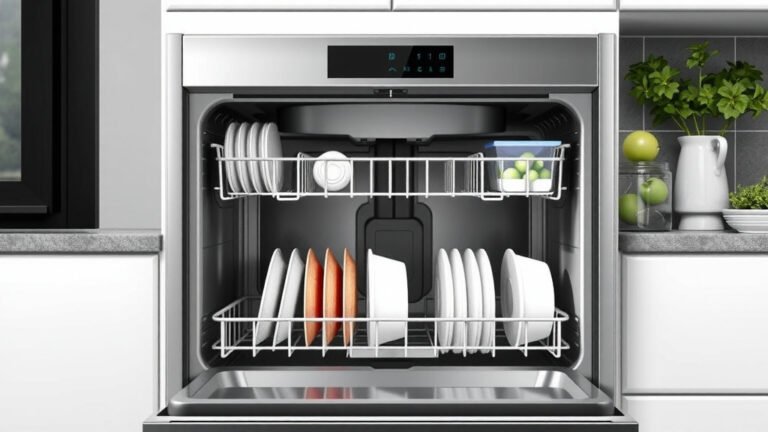

Sparkling Clean Dishwasher: How to Clean with Baking Soda
Yes, you can absolutely clean your dishwasher with baking soda! It’s a simple and effective way to tackle tough odors and build-up. Baking soda is a natural deodorizer and gentle abrasive that can leave your dishwasher sparkling clean and smelling fresh.
Many homeowners struggle with lingering smells or residue in their dishwashers. Using baking soda is a natural, budget-friendly solution that many find works wonders. It’s a safe alternative to harsh chemical cleaners and can help maintain your appliance’s performance by removing stubborn grime and hard water spots.
TL;DR:
- Baking soda cleans and deodorizes your dishwasher.
- It’s a natural and cost-effective method.
- Helps remove odors, grime, and hard water spots.
- Easy to use and readily available.
Let’s walk through exactly how to get your dishwasher smelling and looking its best using just baking soda.
Your Dishwasher’s Baking Soda Spa Day
When your dishwasher starts to smell less than fresh, it’s easy to feel a bit discouraged. But don’t worry, a simple kitchen staple can rescue your appliance! We’re talking about baking soda. This amazing powder is more than just a baking ingredient; it’s a fantastic cleaner and deodorizer. You can make your dishwasher sparkle and smell amazing with this natural method.
Many people discover that their dishwasher develops a musty odor over time. This is often due to food particles and mineral deposits. Baking soda is a gentle yet effective solution for these common dishwasher woes. It can help break down grease and grime, too. Let’s get your dishwasher back to its pristine condition.
Why Baking Soda Works Wonders for Your Dishwasher
Baking soda, or sodium bicarbonate, is a mild alkali. This means it can neutralize acids. Many food residues and odors are acidic. When baking soda encounters these, it reacts, canceling out bad smells. It also acts as a very fine abrasive. This helps scrub away stuck-on food and mineral deposits without scratching your dishwasher’s surfaces.
Research highlights baking soda’s ability to absorb odors. This is why it’s often placed in refrigerators. In a dishwasher, it can tackle smells that cling to the racks and walls. It’s also surprisingly good at dealing with that hard water build-up that can make your dishes look dull.
The Science Behind the Sparkle
Think of baking soda as a tiny, polite scrub brush. Its crystalline structure helps lift away grime. At the same time, its chemical properties get to work on any unpleasant odors. Many cleaning experts agree that using common household items like baking soda can be just as effective as specialty cleaners, and often more affordable.
A study in the Journal of Environmental Science and Technology noted that natural cleaning agents can be effective for household tasks. Baking soda is a prime example. It breaks down into water and carbon dioxide when heated, making it an eco-friendly choice. You’re not introducing harsh chemicals into your home or the environment.
How to Deep Clean Your Dishwasher with Baking Soda: Step-by-Step
Ready to give your dishwasher a much-needed refresh? It’s a straightforward process. You won’t need many supplies. In fact, you likely already have everything you need in your kitchen pantry. Let’s break down the cleaning into simple steps.
Step 1: Empty and Inspect Your Dishwasher
Before you start cleaning, make sure your dishwasher is completely empty. Remove all dishes, cutlery, and racks. This gives you clear access to the interior. Take a moment to look for any large food debris stuck in the bottom or around the drain. You can often remove these by hand or with a damp cloth.
Step 2: Sprinkle Baking Soda Inside
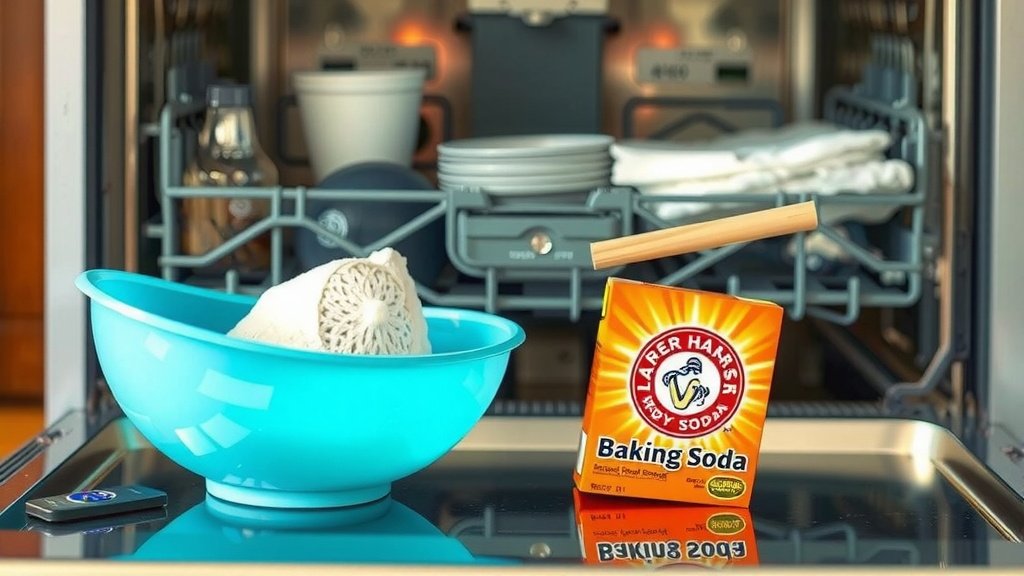
Now for the magic ingredient! Get about one cup of baking soda. Sprinkle it evenly across the bottom of your empty dishwasher. Pay special attention to any areas that look grimy or discolored. You want to ensure good coverage for a thorough cleaning.
Step 3: Run a Hot Water Cycle
Once the baking soda is sprinkled, close the dishwasher door. You’ll want to run your dishwasher on a hot water cycle. The hot water will activate the baking soda. It will start to work its way through the machine. This helps loosen any stuck-on food and dissolve mineral deposits.
What Kind of Cycle to Choose?
Opt for the hottest, longest cycle your dishwasher offers. A heavy-duty or sanitize cycle is ideal. This ensures the water gets as hot as possible. It also gives the baking soda ample time to work its magic. A short, cool cycle won’t be as effective. You want maximum power for this clean.
Step 4: Tackle Stubborn Spots and Odors (Optional but Recommended)
If you notice particularly stubborn spots or lingering odors, you can do a targeted clean. After the first hot cycle, open the door. You might still see some residue. You can make a paste of baking soda and water. Apply this paste directly to those problem areas. Let it sit for a few minutes. Then, run another short, hot cycle.
For persistent smells, some sources suggest leaving an open box of baking soda inside the dishwasher overnight after it’s clean and dry. This acts as a passive deodorizer. It can absorb any residual odors that might be lurking. You can also wipe down the door seal with a damp cloth and a bit of baking soda paste.
Step 5: Clean the Filter and Spray Arms
While baking soda is great for the interior, don’t forget the moving parts! Most dishwashers have a filter at the bottom. This collects food debris. Check your manual on how to remove and clean it. You can usually rinse it under hot water and scrub away any gunk with an old toothbrush and a bit of baking soda paste.
Also, check the spray arms. Sometimes, small food particles can get lodged in the holes. This can affect water distribution. You can often clear these by gently poking a toothpick or a small wire through each hole. This ensures your dishwasher sprays water effectively.
Maintaining a Fresh-Smelling Dishwasher Regularly
Cleaning your dishwasher with baking soda doesn’t have to be a once-a-year event. Making it a regular part of your routine can prevent those strong odors from returning. It’s like brushing your teeth; regular maintenance is key!
Your Dishwasher Cleaning Checklist:
- Empty all dishes and racks.
- Sprinkle one cup of baking soda on the bottom.
- Run a long, hot water cycle.
- Wipe down the door seal.
- Clean the dishwasher filter.
- Check and clear spray arm holes.
By following these simple steps, you’ll notice a difference in both the appearance and the scent of your dishwasher. A clean dishwasher not only looks better but also performs better, leading to cleaner dishes and a more pleasant kitchen experience.
Conclusion
You’ve learned that baking soda is your dishwasher’s best friend for tackling odors and grime. This simple, natural ingredient offers a powerful clean without harsh chemicals. By following the steps, you can refresh your appliance and ensure your dishes come out sparkling. Make this baking soda deep clean a regular part of your kitchen maintenance. Consider doing it monthly for a consistently fresh and efficient dishwasher. You’ve got this!
Frequently Asked Questions
Can I use baking soda if my dishwasher has a stainless steel interior?
Yes, baking soda is safe for stainless steel interiors. Its abrasive qualities are gentle enough not to cause scratching. It’s a great way to clean these surfaces without the risk of damage from harsher cleaners.
How often should I deep clean my dishwasher with baking soda?
For best results, aim to deep clean your dishwasher with baking soda about once a month. This frequency helps prevent the buildup of odors and grime. You can also use it more often if you notice smells or residue appearing sooner.
Will baking soda damage my dishwasher’s rubber seals?
Baking soda is not known to damage rubber seals. However, if you’re concerned, you can opt to wipe down the seals separately with a damp cloth. Avoid letting a baking soda paste sit on the seals for extended periods.
What if my dishwasher still smells after using baking soda?
If odors persist, double-check that you cleaned the filter thoroughly. Food particles trapped there can cause smells. You might also try running an extra hot cycle with a cup of white vinegar. Ensure no food debris is stuck in the spray arms as well.
Can I use baking soda with my regular dishwasher detergent?
It’s best not to combine baking soda with your regular detergent in the same cycle. Baking soda is meant to be used as a standalone cleaner for a deep clean. Using them together might reduce the effectiveness of both.