Unclog Your Dishwasher: Easy Fixes for a Sparkling Clean
The easiest way to unclog your dishwasher is to manually clean the filter and drain. This simple fix often resolves standing water issues. If that doesn’t work, you may need to check the drain hose for blockages. Don’t worry, most dishwasher clogs are easily fixed with a little DIY effort.
It’s frustrating when your dishwasher doesn’t drain properly. You might see standing water at the bottom. This usually means something is blocking the system. We found that checking the filter and drain are the most common solutions.
- Check and clean the dishwasher filter.
- Inspect the drain hose for kinks or blockages.
- Run a cleaning cycle with vinegar or a dishwasher cleaner.
- Call a professional if the problem persists.
Let’s walk through exactly how to get your dishwasher draining like new again, step by step.
Troubleshooting Your Clogged Dishwasher
It’s a common frustration: you unload your dishwasher, only to find a puddle of water still lingering at the bottom. Don’t panic! This usually means something is blocking the drainage system. We found that most dishwasher clogs are easily fixed with a little DIY effort and patience. Let’s figure out why your dishwasher isn’t draining and how to get it working again.
Step 1: Check and Clean the Dishwasher Filter
The most frequent culprit for a blocked dishwasher is a clogged filter. This little screen is designed to catch food particles, preventing them from clogging your drain. Over time, these particles build up and can cause major drainage issues.
Locating Your Dishwasher Filter
Your dishwasher’s filter is typically found at the bottom of the tub. You might need to remove the lower rack to get a clear view. Most filters are a two-part system: a coarse outer filter and a fine mesh inner filter or cup. Check your dishwasher’s manual if you’re having trouble finding it. They usually twist or lift out easily.
Cleaning the Filter
Once you’ve located it, carefully remove the filter components. Take them to your sink and rinse them under warm running water. Use a soft brush (like an old toothbrush) to gently scrub away any stuck-on food debris or grease. Be thorough, as even small bits can cause problems. We found that a good scrub can make a world of difference.
What if the filter is really bad?
If the filter is heavily soiled, you can soak it in a solution of warm water and a bit of dish soap for about 30 minutes. Rinse thoroughly afterward. Many guidelines suggest cleaning the filter at least once a month to prevent clogs (Good Housekeeping Institute).
Reassembling the Filter
After cleaning, make sure the filter components are completely dry. Reinsert them back into the dishwasher tub, ensuring they are securely in place. A loose filter won’t do its job properly. You should hear or feel a click when it’s properly seated.
Step 2: Inspect the Drain Hose for Blockages
If cleaning the filter didn’t solve the problem, the next step is to examine the drain hose. This is the flexible tube that carries water from your dishwasher to your sink’s drain or garbage disposal. It can become kinked or clogged with debris.
Accessing the Drain Hose
You’ll likely need to pull your dishwasher out from under the counter to access the drain hose. Turn off the power to the dishwasher at the breaker box before you begin. This is a critical safety step. Then, disconnect the water supply line and the drain hose from the dishwasher itself. The drain hose is usually connected to the back of the unit.
Checking for Kinks and Clogs
Once you have access to the hose, carefully inspect it. Look for any sharp bends or kinks that could restrict water flow. Straighten them out if you find any. Then, disconnect the other end of the hose (where it connects to your plumbing). You might need a bucket to catch any residual water.
How to clear a clog in the hose
Try to feel for any obstructions inside the hose. If you can’t dislodge it by hand, you can try using a plumber’s snake or a stiff wire to gently push through the blockage. Some people have success by running water through the hose after clearing any visible debris. We found that a bent coat hanger can sometimes work in a pinch.
Reconnecting the Drain Hose
Before reattaching the hose, check where it connects to your plumbing. If it connects to a garbage disposal, ensure the disposal knockout plug was removed when the dishwasher was installed. If it’s still in place, water can’t drain into it, causing a backup. You may need a screwdriver and hammer to remove it. Reconnect the hose securely to both the dishwasher and the plumbing, ensuring no leaks. Remember to turn the power back on before testing.
Step 3: Run a Cleaning Cycle
Sometimes, the drain issue isn’t a solid clog but rather a buildup of grease and grime in the internal components. A cleaning cycle can help break this down and flush it out.
Using Vinegar
A simple and effective cleaner is white vinegar. Place one cup of white vinegar in a dishwasher-safe bowl on the top rack of your empty dishwasher. Run a normal wash cycle. Vinegar is a natural degreaser and can help break down residue that might be impeding drainage.
Using a Commercial Dishwasher Cleaner
There are also many commercially available dishwasher cleaning tablets or liquids. Follow the product instructions carefully. These cleaners are specifically formulated to tackle tough grease and mineral buildup. We found that using a cleaner designed for dishwashers is often more potent than homemade solutions for stubborn grime.
Frequency of Cleaning Cycles
Many appliance manufacturers recommend running a cleaning cycle once a month or whenever you notice a slight drainage issue or odor. This preventative maintenance can help keep your dishwasher running smoothly (Appliance manufacturer guidelines).
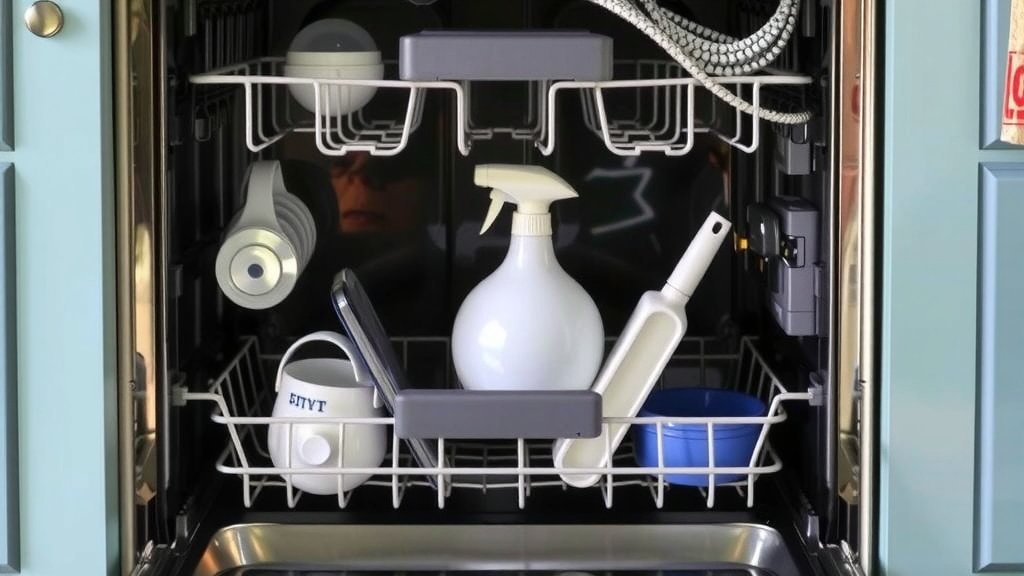
Step 4: Address the Air Gap or Garbage Disposal Connection
If your dishwasher drains into your garbage disposal, or if you have an air gap on your sink, these can sometimes be the source of the problem.
Cleaning the Air Gap
The air gap is a small cylinder usually found near your faucet. It prevents dirty sink water from siphoning back into the dishwasher. Pop off the decorative cover, and you’ll see a plastic cap underneath. Unscrew this cap, and you’ll find a plastic baffle. Remove the baffle and clean out any debris, food particles, or gunk that has accumulated. Reassemble, and then test your dishwasher.
Checking the Garbage Disposal
If your dishwasher drains into the garbage disposal, the disposal itself might be clogged, preventing the dishwasher’s water from draining. Run the garbage disposal with cold water until it’s clear. If the disposal is jammed, you’ll need to clear that blockage first. Most disposals have a reset button on the bottom, and some come with a hex wrench to help free up the blades.
When to Call a Professional
If you’ve gone through these steps and your dishwasher is still not draining, it’s time to call in the experts. There might be a more complex issue, such as a problem with the pump motor or the internal plumbing of the dishwasher. A professional technician will have the tools and expertise to diagnose and fix these deeper problems safely and efficiently.
Quick Checklist for a Clogged Dishwasher
- Turn off power to the dishwasher at the breaker.
- Remove and thoroughly clean the dishwasher filter.
- Inspect the drain hose for kinks or blockages.
- Check and clear the air gap or garbage disposal connection.
- Run a cleaning cycle with vinegar or a dishwasher cleaner.
- If issues persist, contact a qualified appliance repair professional.
Conclusion
You’ve learned how to tackle a clogged dishwasher yourself! We’ve walked through cleaning the filter, checking the drain hose, and running cleaning cycles. These DIY steps can save you time and money by resolving most common drainage issues. Remember, consistent maintenance like regular filter cleaning is key to preventing future problems. If you’ve tried these solutions and your dishwasher still isn’t draining, don’t hesitate to call a qualified professional to handle more complex repairs.
Frequently Asked Questions
How often should I clean my dishwasher filter?
We recommend cleaning your dishwasher filter at least once a month. This simple task prevents food debris from building up and causing clogs. Checking it more often, perhaps every two weeks, is a good idea if you notice your dishwasher isn’t draining well.
Can I use a harsh chemical cleaner to unclog my dishwasher?
It’s generally best to avoid harsh chemical drain cleaners. These can damage your dishwasher’s components and plumbing. We found that natural options like vinegar or specialized dishwasher cleaners are much safer and often just as effective for grease and grime.
What is the air gap, and why does it matter?
The air gap is a small plumbing device usually found near your faucet. Its job is to prevent dirty sink water from backing up into your clean dishes. If it gets clogged with food particles, it can prevent your dishwasher from draining properly.
My dishwasher still has standing water after cleaning the filter. What else could it be?
If the filter is clean and you still have standing water, the next step is to inspect your drain hose for kinks or blockages. Also, check the connection to your garbage disposal or sink drain to ensure that isn’t the source of the clog.
How do I know if I need to call a professional plumber or appliance repair person?
If you’ve followed all the steps above—cleaning the filter, checking the hose, and clearing the air gap or disposal—and your dishwasher still won’t drain, it’s time to call an expert. Persistent issues could indicate a problem with the pump, motor, or internal plumbing that requires professional tools and knowledge.