Clear Your Dishwasher Drain Hose: A Simple Guide
The easiest way to clear your dishwasher drain hose is by detaching it and flushing it out. This simple process can often resolve issues like standing water or poor draining. You’ll typically find the blockage is just some food debris. Clearing it yourself saves you money and a call to a repair person.
A clogged drain hose is a common dishwasher problem. It can lead to unpleasant odors and inefficient cleaning cycles. Many homeowners can tackle this repair with basic tools. We found that understanding the cause helps prevent future clogs.
- Locate and disconnect the drain hose.
- Check for obvious blockages like food particles.
- Flush the hose with water or a mild cleaner.
- Reconnect and test the dishwasher.
Ready to get your dishwasher draining properly again? Let’s walk through exactly how to clear that drain hose step by step.
Troubleshooting Your Dishwasher’s Draining Issues
If your dishwasher isn’t draining properly, it can be quite a puzzle. You might be left with a pool of murky water at the bottom. Don’t worry, a clogged drain hose is often the culprit. We’ve found that many homeowners can fix this themselves with a little guidance. This guide will help you tackle the problem head-on and get your dishwasher back to its sparkling best.
Locating and Accessing the Dishwasher Drain Hose
The first step is to get to the drain hose. This usually requires pulling your dishwasher out from under the counter. You’ll need a bit of space to work, so clear the area around it. We recommend having a towel or two handy, as there might be some residual water. It’s important to disconnect the power before you start any work. Locate the circuit breaker that controls your dishwasher and switch it off. Safety first!
Pulling Out the Dishwasher
Carefully pull the dishwasher away from the cabinet. You might need to unscrew it from the countertop or cabinets first. Look for screws along the top or sides. Once it’s free, gently slide it out. Be mindful of the water and drain lines already attached. You don’t want to yank anything and cause a leak.
Identifying the Drain Hose
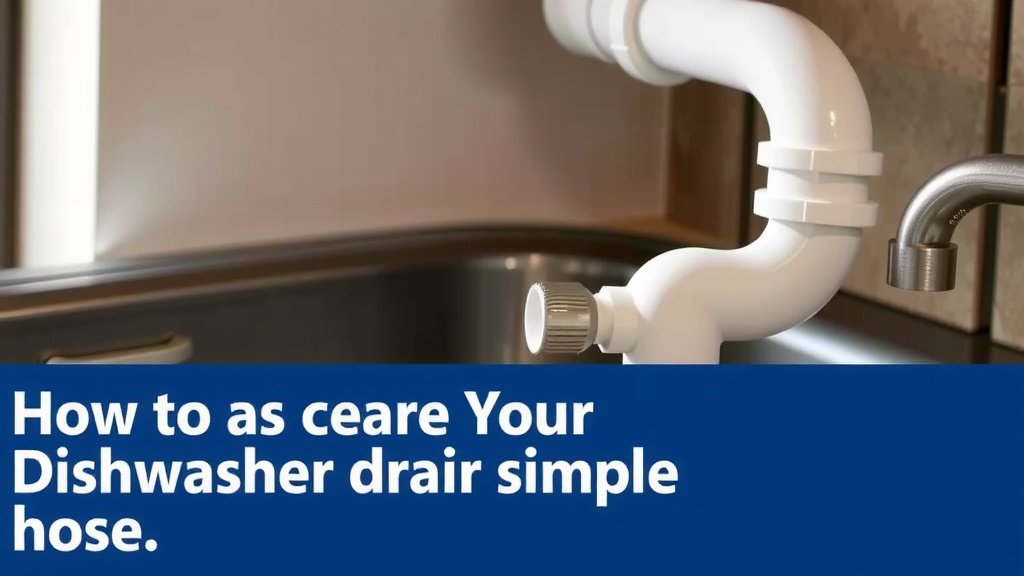
Once the dishwasher is accessible, you’ll see a bunch of hoses and wires. The drain hose is typically a corrugated plastic tube. It usually runs from the back of the dishwasher to your sink’s plumbing or a garbage disposal. It might be black or gray. You’ll likely see a clamp holding it in place.
Disconnecting and Inspecting the Drain Hose
Now it’s time to get the hose off. This is where you might encounter some water, so have that towel ready. We found that a small bucket placed underneath can catch any spills.
Removing the Hose Clamp
Most drain hoses are secured with a spring clamp or a screw clamp. You’ll need a pair of pliers or a screwdriver to loosen it. Gently squeeze the spring clamp with your pliers or turn the screw counter-clockwise. Once loose, carefully slide the clamp down the hose. This should allow you to pull the hose free from its connection point.
Checking for Obvious Blockages
Once the hose is detached, take a look inside. Often, the problem is just a clump of food debris or gunk. You might see bits of pasta, seeds, or grease. If you can see a clear blockage, try to remove it with your fingers or a pair of tweezers. Many experts suggest doing this initial visual check right away.
Clearing the Blockage from the Drain Hose
If you don’t see an obvious clog, or if the visual removal didn’t solve the problem, you’ll need to flush the hose. This is usually the most effective way to clear minor to moderate blockages. We found that patience here pays off.
Flushing with Water
The simplest method is to use a garden hose or a faucet to run water through the detached drain hose. Hold the hose over a sink or an empty bucket. Let the water pressure push out any debris. You might need to jiggle the hose a bit. We recommend flushing until the water runs clear. This helps ensure you’ve removed all the loose particles.
Using a Mild Cleaning Solution (Optional)
For tougher grime or greasy buildup, you can use a mild cleaning solution. A little bit of dish soap mixed with warm water can work wonders. Pour the solution into the hose and let it sit for a few minutes. Then, flush it out with plain water as described above. Some sources suggest a baking soda and vinegar mixture, but we found plain soap and water is usually sufficient for most common clogs (National Sanitation Foundation).
Dealing with Stubborn Clogs
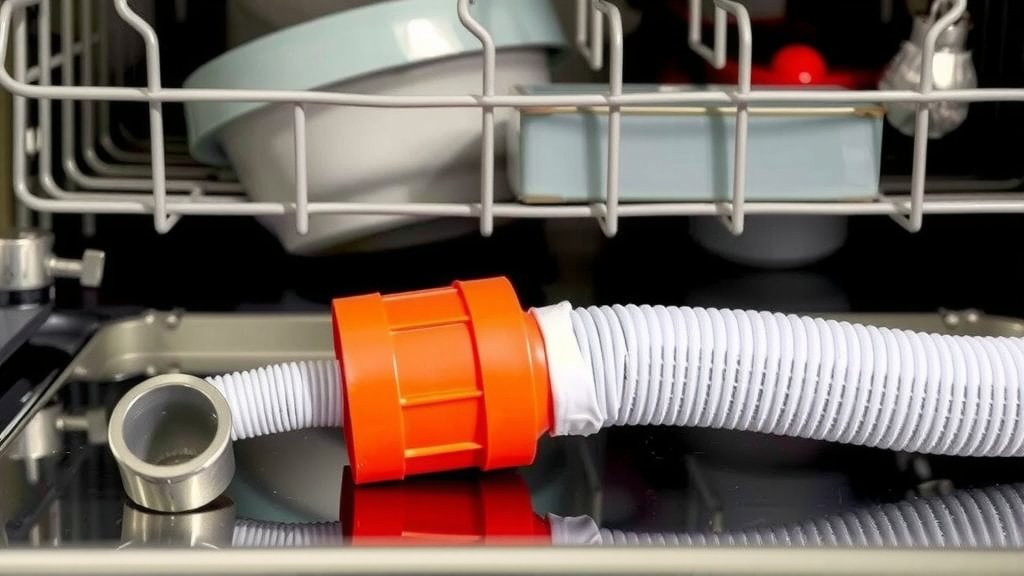
If water and mild soap don’t do the trick, you might have a more stubborn clog. A plumber’s snake or a straightened wire coat hanger can sometimes help. Carefully insert the tool into the hose and gently work it to dislodge the blockage. Be careful not to puncture the hose. If you can’t clear it, it might be time to consider replacing the hose entirely.
Reconnecting and Testing Your Dishwasher
After you’ve cleared the hose, it’s time to put everything back together. This part is pretty straightforward. We found that double-checking connections is key to preventing leaks.
Reattaching the Drain Hose
Slide the drain hose back onto its original connection point. Make sure it’s pushed on all the way. Then, re-secure the clamp tightly. You want a snug fit to prevent any leaks during the drain cycle.
Restoring Power and Running a Test Cycle
Carefully push your dishwasher back into place, ensuring no hoses or wires are kinked or pinched. Turn the power back on at the circuit breaker. Now, run a short rinse cycle or a quick wash cycle. Keep an eye and ear on the dishwasher. Listen for any unusual noises and check underneath for leaks. You should see the water draining out normally. We found that running a test cycle is the best way to confirm your repair was successful.
Preventing Future Dishwasher Drain Hose Clogs
Nobody wants to deal with this problem again! A few simple habits can help keep your drain hose clear. Many appliance repair specialists recommend these preventative measures.
Scrape Plates Before Loading
While your dishwasher is designed to handle food particles, large chunks can cause problems. Always scrape off excess food from plates and bowls before loading them. This is a simple step that makes a big difference. You don’t need to rinse them perfectly, just remove the big stuff.
Check and Clean the Filter Regularly
Most dishwashers have a filter at the bottom that catches debris. Research indicates that cleaning this filter regularly is essential for preventing clogs further down the line (Energy Star). Check your dishwasher’s manual for its location and cleaning instructions. Typically, it just twists out and can be rinsed under a faucet.
Run Hot Water Before Starting
Before you start a wash cycle, run the hot water at your kitchen sink. This ensures that the water entering the dishwasher is already hot. Hot water helps to break down grease and food particles more effectively. This can prevent them from building up in the drain hose. Before starting a wash cycle, run the hot water at your kitchen sink to ensure hot water enters the dishwasher.
Consider a Drain Hose Air Gap or High Loop
Your dishwasher’s drain hose should ideally have an “air gap” installed under your sink. This is a small fitting that prevents dirty sink water from backing up into the dishwasher. If you don’t have one, or if your hose isn’t looped high, consider installing one or ensuring the hose has a high loop. This loop should be secured to the underside of your countertop, higher than the drain connection point. Many installation guides recommend this for proper draining (Association of Home Appliance Manufacturers).
Conclusion
You’ve learned how to tackle a clogged dishwasher drain hose, a common issue that disrupts your kitchen routine. By following these steps, you can often resolve the problem yourself. Remember to always disconnect power before you start and be prepared for some residual water. Clearing the hose, whether with water or a mild cleaner, can bring your dishwasher back to full functionality. Don’t forget to implement preventative measures like scraping plates and cleaning the filter to avoid future clogs. Now, go ahead and run that test cycle to enjoy your sparkling clean dishes!
Frequently Asked Questions
How often should I clean my dishwasher drain hose?
You don’t necessarily need to clean your dishwasher drain hose regularly unless you notice draining issues. However, performing preventative maintenance like scraping plates and cleaning your dishwasher’s filter can significantly reduce the likelihood of a clog forming in the hose.
Can I use harsh chemicals to clear the drain hose?
It’s best to avoid harsh chemicals like bleach or strong drain cleaners. These can damage the hose material and your dishwasher’s internal components. A simple mixture of dish soap and warm water is usually effective for most clogs.
What should I do if the hose is completely blocked and I can’t clear it?
If you’ve tried flushing and using a wire or snake, and the clog remains, the hose itself might be damaged or severely blocked. In this case, it’s likely time to replace the drain hose. You can usually find a replacement part at an appliance parts store or online.
Is it normal to have some water left in the hose after disconnecting it?
Yes, it is quite normal to find some water remaining in the drain hose when you disconnect it. This is why it’s important to have towels and a bucket ready to catch any spills. The amount of water can vary depending on where the clog is located.
My dishwasher is still not draining after clearing the hose, what else could be wrong?
If clearing the drain hose didn’t solve the problem, the clog might be located elsewhere in your dishwasher’s system, such as the pump or air gap. You may also want to check your sink’s drain line to ensure it isn’t the source of the backup. If you’ve exhausted these steps, it might be time to call a professional appliance repair technician.