Dishwasher Not Draining? Top Causes Explained
A dishwasher that won’t drain is usually caused by a clogged filter, a blocked drain hose, or a malfunctioning drain pump. These common issues prevent water from being removed after the wash cycle. You might also find problems with the garbage disposal connection if you have one.
Many things can go wrong when your trusty dishwasher decides to hold onto its dirty water. From simple food debris to more serious mechanical troubles, we found that understanding the likely culprits can save you time and money. Getting your dishes clean shouldn’t mean dealing with a pool of murky water left behind.
- Clogged filter is the most common culprit.
- A kinked or blocked drain hose is another frequent offender.
- The drain pump might have failed.
- Check the air gap or garbage disposal connection.
- Sometimes, the door switch needs attention.
Let’s walk through the common reasons your dishwasher isn’t draining, so you can get back to sparkling clean dishes in no time.
Troubleshooting Why Your Dishwasher Won’t Drain
It’s a common household headache. You open the dishwasher door, expecting sparkling dishes, but instead, you’re met with a pool of murky water. Don’t panic! Most dishwasher draining problems are surprisingly simple to fix. We’ve looked into the common causes, and thankfully, many don’t require a professional. Let’s figure out what’s keeping that water from going down the drain.
Checking the Dishwasher Filter: Your First Line of Defense
The most frequent reason for a dishwasher not draining is a clogged filter. Think of it as the dishwasher’s tiny garbage can. Food particles, labels, and other debris can accumulate here over time.
Locating and Cleaning Your Filter
Your dishwasher filter is usually located at the bottom of the tub, beneath the lower spray arm. Most models have a simple twist-and-lift mechanism. Consult your dishwasher’s manual if you’re unsure. Once removed, rinse it thoroughly under running water. You might need a soft brush to scrub away stubborn gunk. Make sure to put it back securely after cleaning. This simple step often solves the draining issue right away.
Investigating the Drain Hose
The drain hose is the pathway for water to leave your dishwasher. If this hose gets blocked or kinked, water has nowhere to go.
Kinks and Bends
Sometimes, the hose can get accidentally pinched or bent during installation or if you’ve moved the dishwasher. Open the dishwasher door and look under the sink. You should see the drain hose connected to your plumbing or garbage disposal. Gently pull the dishwasher out a bit, if possible, to check for any obvious kinks. Straighten out any bends you find.
Blockages in the Hose
Food debris can also get lodged inside the drain hose itself. This is less common than a filter clog but still a possibility. To check for this, you’ll typically need to disconnect the hose from the sink drain or garbage disposal. Be prepared for a little water to spill out when you do this. You can then try to blow through the hose or use a long, flexible tool to dislodge any blockages. Many experts recommend doing this over a bucket.
Understanding Your Garbage Disposal Connection
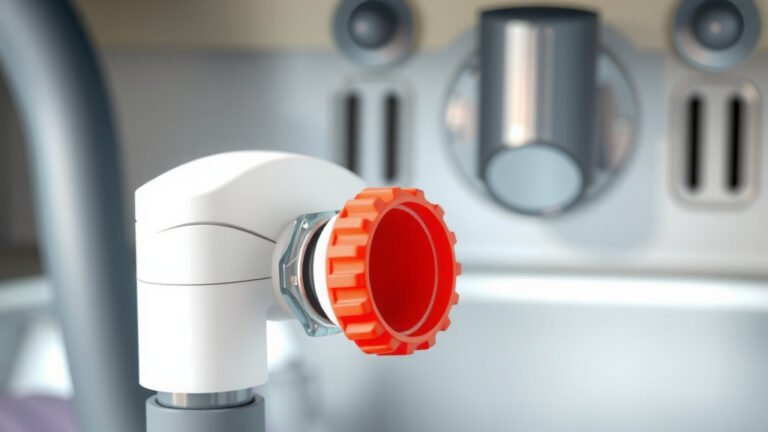
If your dishwasher drains into a garbage disposal, this connection point is a frequent source of draining problems. There’s a small knockout plug that needs to be removed if the dishwasher is being connected to a disposal for the first time.
The “Knockout Plug” Issue
Many garbage disposals come with a small plastic plug inside the dishwasher inlet fitting. If this plug isn’t removed when the dishwasher is first installed, water can’t enter the disposal and thus can’t drain. You’ll need to disconnect the dishwasher hose from the disposal, locate the inlet on the disposal, and check if this plug is still in place. You can often knock it out with a screwdriver and hammer. Once removed, reconnect the hose securely. We found this is a common oversight.
Garbage Disposal Clogs
Likewise, if your garbage disposal itself is clogged, it can back up and prevent the dishwasher from draining. Run the garbage disposal to clear any immediate blockages. If the disposal seems sluggish, you might need to clean it out thoroughly before your dishwasher can drain properly.
The Role of the Air Gap (If You Have One)
An air gap is a plumbing device installed on your countertop or sink deck. It prevents dirty water from siphoning back into your dishwasher. It can also become a point of blockage.
Checking the Air Gap for Debris
The air gap usually consists of a decorative cover. Carefully remove this cover. You’ll see a plastic cap underneath. Unscrew this cap to reveal the internal parts. Food particles and gunk can accumulate here, just like in the dishwasher filter. Clean out any debris you find. Reassemble it carefully. This is a surprisingly common place for clogs to form, according to many appliance repair guides.
Is the Drain Pump the Culprit?
The drain pump is the workhorse that actively pushes water out of your dishwasher. If it’s not working, water will be left behind. There are a few reasons why a pump might fail.
Debris in the Pump Impeller
Small objects like glass shards, plastic pieces, or even hard food particles can get past the filter and jam the pump’s impeller (the spinning part that moves water). Accessing the pump usually requires removing the lower access panel of your dishwasher. You might be able to carefully dislodge debris with a tool, but be cautious. This can be a trickier repair for a DIYer.
Electrical or Mechanical Failure
Sometimes, the drain pump simply wears out or experiences an electrical failure. If you’ve checked all other potential clogs and blockages, and you can hear the dishwasher attempting to drain but no water is moving, the pump itself may need replacement. This is often a job for a qualified appliance technician.
Don’t Forget the Door Switch
This might sound odd, but a faulty door switch can sometimes prevent your dishwasher from draining. The dishwasher needs to know the door is securely closed to initiate all cycles, including the drain cycle.
Why the Door Switch Matters
If the door switch is damaged or misaligned, the dishwasher’s control panel might think the door is open, even when it’s shut. This can halt the entire draining process. Checking the door latch mechanism for damage or obstructions is a quick thing to do. If you suspect the switch itself, it might be time to call in a professional for diagnosis.
Quick Checklist for a Non-Draining Dishwasher
Here’s a handy rundown to help you diagnose the problem:
- Check the Filter: Is it clogged with food debris?
- Inspect the Drain Hose: Look for kinks or visible blockages.
- Verify Garbage Disposal: Is it clear and running properly? Check the knockout plug if newly installed.
- Examine the Air Gap: Clean out any gunk if you have one.
- Listen to the Pump: Do you hear it trying to work?
- Test the Door Latch: Does it seem secure and functional?
Conclusion
Dealing with a dishwasher that won’t drain can be frustrating. We’ve walked through the most common culprits, from simple clogs in your filter or drain hose to issues with your garbage disposal or air gap. Sometimes, the problem might even be with the drain pump itself or a simple door switch malfunction. By systematically checking these areas, you can often identify and fix the problem yourself. If you’ve gone through these steps and your dishwasher still isn’t draining, it might be time to consult your appliance’s manual or call a professional for more complex repairs.
Frequently Asked Questions
How often should I clean my dishwasher filter?
We recommend cleaning your dishwasher filter at least once a month. If you notice your dishwasher isn’t draining well, check the filter as your first step. Regularly cleaning it prevents larger debris buildup.
Can a clog in my sink drain affect my dishwasher?
Yes, if your dishwasher drains into the same plumbing as your sink, a clogged sink drain can definitely prevent your dishwasher from draining. Try clearing your sink drain first.
What does it mean if I hear my dishwasher trying to drain but no water is moving?
This often indicates a problem with the drain pump. It might be jammed with debris or have suffered a mechanical or electrical failure. You may need to inspect the pump for blockages or consider professional repair.
Is it safe to disconnect the drain hose myself to check for clogs?
It can be safe if you’re prepared for some water to spill. Have a bucket ready and turn off the power to the dishwasher at the breaker for safety. If you’re uncomfortable, it’s best to skip this step.
My dishwasher is brand new and won’t drain. What could be wrong?
For a new installation, the most likely cause is the knockout plug not being removed from the garbage disposal inlet if your dishwasher connects there. Double-check this connection point.