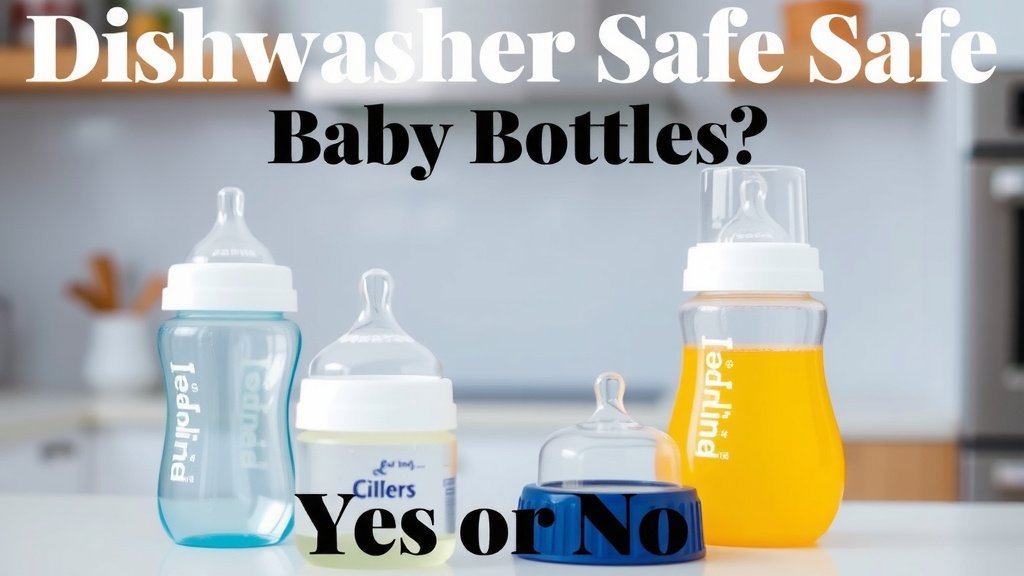
Dishwasher Safe Baby Bottles Yes or No
Yes, you can absolutely put most baby bottles in the dishwasher. It’s a lifesaver for busy parents. Just be sure to check the manufacturer’s instructions first, as some materials or parts may require special care to ensure they are cleaned effectively and safely.
Dishwashers offer a convenient and often more hygienic way to clean baby bottles compared to handwashing. Many modern dishwashers have specific cycles that are gentle yet effective. This method can save you a lot of time and effort, giving you more moments to enjoy with your little one. We found that using the top rack is often recommended for bottles and smaller items.
- Yes, most baby bottles are dishwasher safe.
- Always check the manufacturer’s label.
- The top rack is usually best for bottles.
- Dishwashing can be more hygienic and time-saving.
Let’s walk through exactly how to get those bottles sparkling clean in your dishwasher.
Dishwashing Your Baby Bottles: Is It a Good Idea?
You’re likely wondering, “Can I really toss these baby bottles into the dishwasher?” The short answer is yes, for most of them! It’s a fantastic way to keep them clean and germ-free. Modern dishwashers are designed to handle tough cleaning jobs. They can often do a more thorough job than you might think. This method can seriously cut down on your daily chores.
What to Know Before You Load
Before you start, take a moment to check the bottle’s details. Most bottles today are made from materials that can handle the heat and water jets of a dishwasher. However, it’s always best to be sure. Your bottle’s packaging or the manufacturer’s website will have the most accurate information. This simple check helps prevent any unpleasant surprises.
Understanding Bottle Materials
Baby bottles come in various materials. You’ll find glass, BPA-free plastics, and silicone. Research indicates that most BPA-free plastic bottles are dishwasher safe. Glass bottles generally hold up well too. Silicone bottles are also usually designed to withstand dishwasher cycles. The key is to look for specific instructions from the maker.
Checking Manufacturer Instructions
Think of the manufacturer’s instructions as your bottle’s personal guide. They know their product best. Many brands explicitly state if their bottles are dishwasher safe. Some might recommend using only the top rack. Others may warn against the heated drying cycle. Following these simple directions ensures the bottles last longer.
How to Dishwash Baby Bottles Safely
Getting your bottles sparkling clean in the dishwasher is straightforward. You just need to follow a few simple steps. These ensure the bottles are sanitized and safe for your baby. It’s not much different from washing your own dishes, but with a bit more attention to detail.
Rinse Before You Load
Give bottles a quick rinse under the tap before they go in. This removes any leftover milk or formula. It makes the dishwasher’s job much easier. A simple rinse prevents stubborn residue from building up. It also helps avoid clogs in your dishwasher’s filter.
The Top Rack is Your Friend
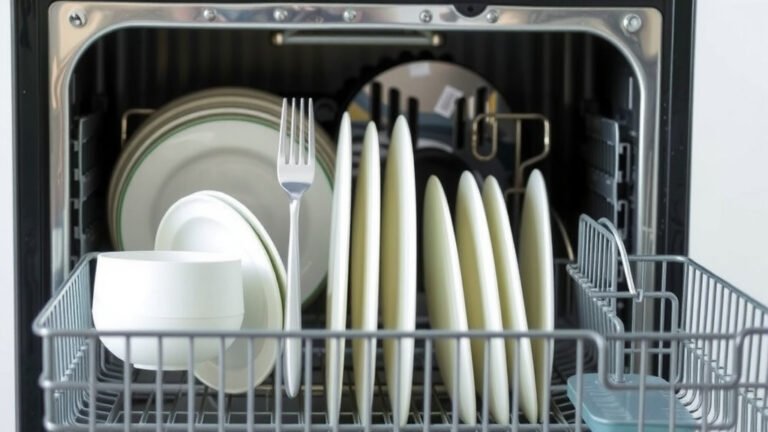
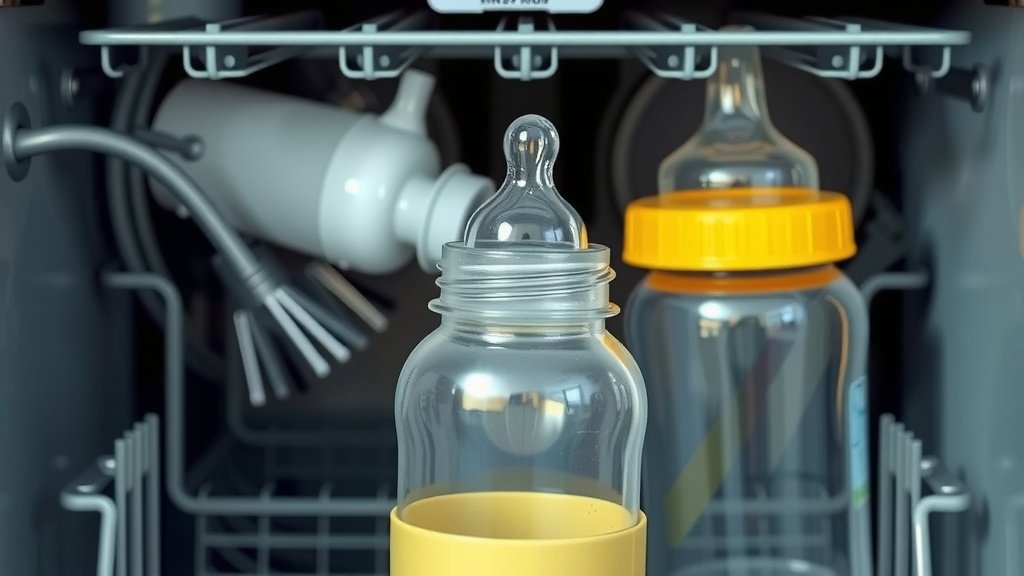
Most experts and bottle manufacturers recommend the top rack for baby bottles. This area is generally cooler. It also keeps bottles away from the heating element at the bottom. This placement helps protect plastic bottles from warping. It ensures all parts are cleaned effectively.
Securing the Bottles
Make sure bottles are placed securely. You don’t want them tipping over. This could cause them to fill with dirty water. Many dishwasher racks have adjustable tines. You can use these to create a stable spot. Some bottle accessories, like nipples and rings, can also go on the top rack. Just ensure they won’t fall through.
Choose the Right Cycle and Temperature
Your dishwasher likely has several cycle options. For baby bottles, a hot water cycle is best. This helps kill germs effectively. Many dishwashers offer a “sanitize” cycle. If yours has one, it’s a great choice for baby bottles. Check that your dishwasher can reach at least 150°F (65°C) for effective sanitization (CDC).
What About Heated Drying?
The heated drying setting can be a bit tricky. While it helps dry everything thoroughly, the high heat might damage some plastic bottles over time. If your bottles are showing signs of wear, consider skipping the heated dry. Air drying is a gentler option. You can also open the dishwasher door slightly after the cycle ends to let steam escape.
Detergent Use
Use a good quality dishwasher detergent. Make sure it’s specifically designed for dishwashers. Avoid using too much detergent. It can leave a residue. Some parents prefer to use a mild, fragrance-free detergent for baby items. Always rinse thoroughly after the cycle.
What About Bottle Parts?
Beyond the bottle itself, you have nipples, rings, caps, and valves. These smaller parts can be tricky. They can also harbor germs. Fortunately, most of these can go in the dishwasher too. It’s a great way to ensure they are truly clean.
Nipples and Rings
Nipples and the plastic rings that hold them are usually fine for the dishwasher. Place them on the top rack. Ensure they won’t fall into the heating element. Some dishwasher baskets have special compartments for small items. These can be very useful.
Valves and Other Small Parts
Bottle valves, especially those with small openings, can be challenging. Ensure they are properly placed so water can reach all surfaces. If you have any doubts, hand-washing these specific parts is also an option. You want to be certain they are free of milk residue.
When to Handwash Instead
While dishwashers are great, there are times when handwashing is better. If your bottle is made of a material that explicitly states “handwash only,” then listen to that advice. Some very delicate or specialized bottles might fall into this category. Also, if you don’t have a dishwasher, handwashing is your go-to method. You can also handwash if you notice any damage or wear on the bottle.
Checking for Damage
Before and after washing, inspect your bottles. Look for any cracks, chips, or cloudiness in plastic bottles. These can be signs of wear. Damaged bottles should be replaced. They can harbor bacteria. Also, check nipples for tears or swelling. These can pose a choking hazard.
A Quick Dishwashing Checklist
- Check bottle manufacturer’s instructions.
- Rinse bottles to remove excess milk or formula.
- Place bottles and parts on the top rack.
- Use a hot water cycle or sanitize option.
- Consider skipping the heated dry for plastics.
- Inspect bottles for damage before and after washing.
Dishwashing your baby bottles can be a real time-saver. By following these tips, you can ensure they are clean, safe, and ready for your baby’s next feeding. It’s a simple step that makes a big difference in your day.
Conclusion
You’ve learned that washing your baby bottles in the dishwasher is a safe and effective practice for most bottles. By checking manufacturer guidelines and using the top rack with a hot cycle, you can ensure bottles are thoroughly cleaned and sanitized. This method saves precious time, allowing you to focus more on your little one. Remember to always inspect bottles for wear and tear before and after washing. Make dishwashing a regular part of your routine for a consistently clean and safe feeding experience for your baby.
Frequently Asked Questions
Can I put all baby bottle parts in the dishwasher?
Yes, most bottle parts like nipples, rings, and caps are generally dishwasher safe. Place them on the top rack to keep them secure. Ensure small parts don’t fall through the rack or near the heating element.
Will the dishwasher heat damage my baby bottles?
High heat, especially from heated drying cycles, can potentially warp or damage some plastic bottles over time. For this reason, many parents choose to skip the heated dry option. Air drying or opening the dishwasher door slightly after the cycle can help.
How do I know if my specific baby bottles are dishwasher safe?
Always refer to the bottle’s packaging or the manufacturer’s official website. They will clearly state if their bottles and parts can be safely cleaned in a dishwasher and often provide specific instructions on placement or cycles.
What’s the best dishwasher cycle for baby bottles?
A hot water cycle is recommended for effective sanitization. If your dishwasher has a sanitize cycle, that’s an excellent option. The CDC notes that temperatures of at least 150°F (65°C) are needed for effective sanitization.
Should I use a special detergent for baby bottles in the dishwasher?
You can use your regular dishwasher detergent, but opt for a mild, fragrance-free variety if you have concerns. Ensure the detergent is specifically for dishwashers and avoid using too much, as it can leave residue.