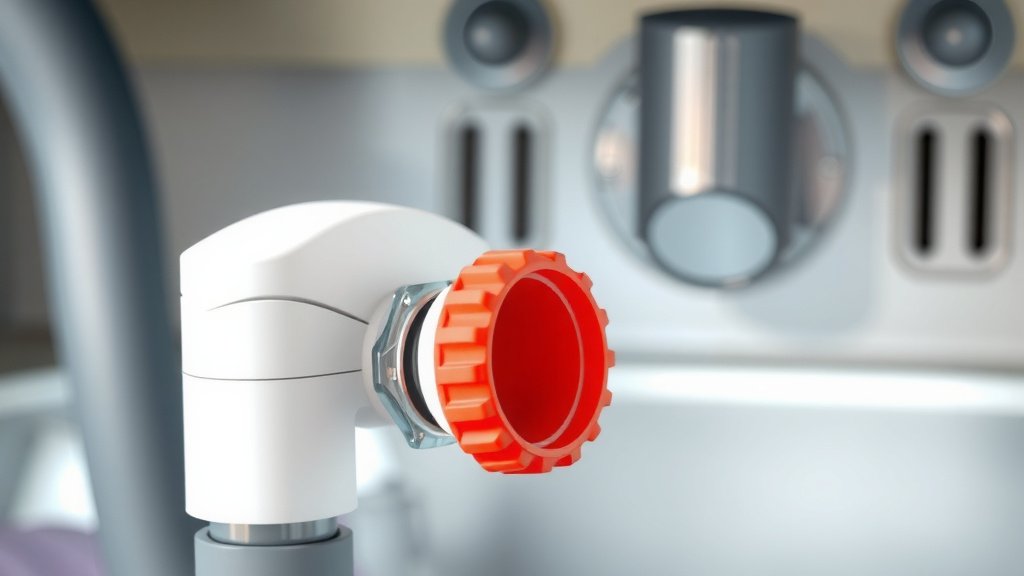
How to Clean Your Dishwasher Drain Hose Effectively
The easiest way to clean your dishwasher drain hose is by disconnecting it and flushing it out with hot water and a cleaning solution. This process removes any gunk and prevents smelly drains and dirty dishes. You can also use a stiff brush or wire to help dislodge stubborn clogs.
A clogged drain hose can lead to a dishwasher that doesn’t drain properly, leaving behind standing water and a foul odor. Regular cleaning ensures your appliance runs efficiently and your dishes come out sparkling. Many homeowners overlook this vital part, but it’s key to a happy dishwasher. We found that a clean hose means a cleaner wash every time.
- Disconnect the hose from your dishwasher.
- Flush with hot water and a cleaning agent.
- Use a brush for tougher blockages.
- Reattach securely and run a rinse cycle.
Let’s walk through exactly how to get that dishwasher drain hose clean, step by step. You’ll be surprised how simple it is!
Keeping Your Dishwasher Drain Hose Flowing Freely
Your dishwasher’s drain hose might not be the most glamorous part of your kitchen appliance, but it’s incredibly important. If this hose gets clogged, you’ll end up with dirty water pooling in your dishwasher. This can lead to unpleasant odors and, of course, less-than-clean dishes. Let’s look at how to keep that hose clear and your dishwasher running smoothly.
Why Does Your Dishwasher Drain Hose Need Cleaning?
Over time, food particles, grease, and even mineral deposits can build up inside the dishwasher drain hose. Think of it like the pipes under your kitchen sink – they can get gunky too! This buildup restricts water flow, making your dishwasher struggle to drain effectively. You might notice a slimy residue or a foul smell emanating from your dishwasher when it’s done its cycle. Research has shown that regular maintenance, including cleaning the drain hose, can extend the life of your appliance and improve its efficiency (Consumer Reports).
When the hose is blocked, water can’t get out. This leaves a stagnant pool at the bottom of your dishwasher tub. This standing water is a breeding ground for bacteria and can make your dishes smell worse than when they went in. We found that a clean hose is often the missing piece to a truly spotless wash cycle.
Tools and Supplies You’ll Need
Before you start, gather a few common household items. Having everything ready makes the process much smoother. You won’t need any fancy equipment, just a few things you likely already have on hand.
Gather Your Cleaning Arsenal
- Screwdriver or Pliers: You might need these to loosen hose clamps.
- Bucket or Towels: To catch any water that drains out.
- Hot Water: The hotter, the better for dissolving grease.
- Dish Soap or Vinegar: For breaking down grime and odors.
- Stiff Brush or Wire Hanger: For dislodging stubborn clogs.
- Gloves: To keep your hands clean.
Step-by-Step Guide to Cleaning Your Dishwasher Drain Hose
Now, let’s get down to business. We’ll take this one step at a time. Safety first – always unplug your dishwasher before beginning any maintenance. This prevents accidental starts.
1. Accessing the Drain Hose
The drain hose usually connects to your dishwasher at the back or bottom. You might need to pull your dishwasher out from under the counter to get a good look. Don’t worry, it’s usually not as hard as it seems. Many manuals suggest checking behind the kickplate for the initial connection point.
Disconnecting the Hose
Once you’ve located the hose, you’ll see a clamp holding it in place. Use your screwdriver or pliers to loosen this clamp. Gently pull the hose off the dishwasher’s drain connection. Be ready with your bucket or towels, as some water will likely spill out. We found that laying down old towels can save you a lot of wiping later.
2. Flushing Out the Gunk
With the hose disconnected, you can now tackle the clog. The easiest way is to simply run hot water through it. You can do this over a utility sink, bathtub, or even outside if the weather is nice.
Using Hot Water and Soap
Pour hot water down the hose. You can add a squirt of dish soap or about a cup of white vinegar to help break down grease and deodorize. Let it sit for a few minutes, then flush again with more hot water. If the water runs freely, you’re in good shape!
Dealing with Stubborn Clogs
If the water is still backing up, you might have a tougher blockage. You can try gently pushing a stiff brush or a straightened wire coat hanger into the hose. Be careful not to puncture the hose. Work the brush or wire back and forth to loosen any debris. After you’ve worked on the clog, try flushing with hot water again. Many DIY guides recommend this method for moderate blockages.
3. Reattaching the Drain Hose
Once you’re confident the hose is clear, it’s time to put it back. Align the hose with the drain connection on your dishwasher. Slide the clamp back into its original position and tighten it securely with your screwdriver or pliers. A tight seal is important to prevent leaks.
4. Testing the Connection and Running a Cycle
After reattaching, it’s wise to run a short rinse cycle. This will confirm that water is draining properly and that there are no leaks at the connection point. You can also check the hose itself for any signs of damage while it’s all apart. We recommend performing this test before running a full wash with dishes.
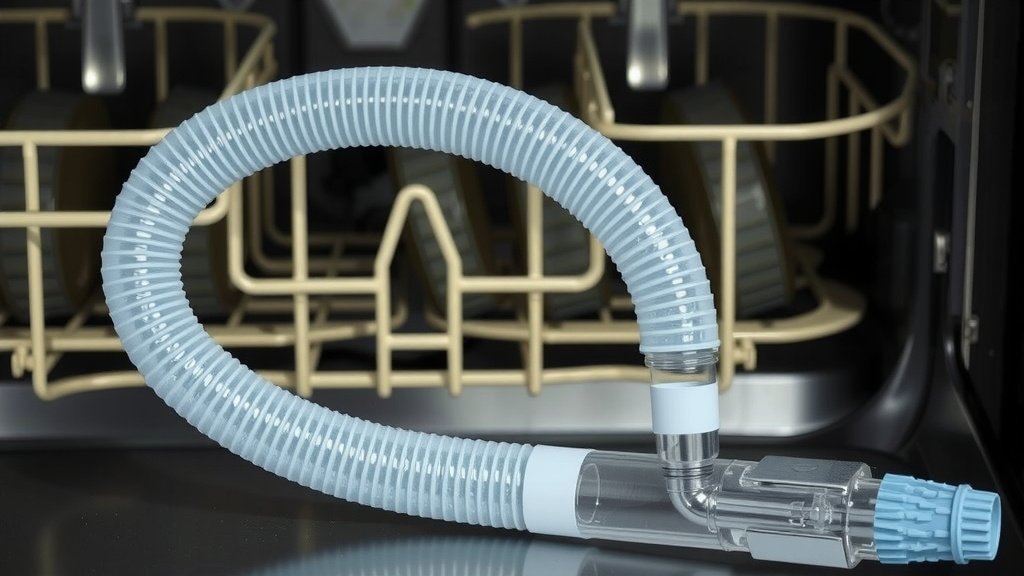
Preventing Future Drain Hose Issues
Keeping your drain hose clean involves a few simple habits. A little prevention goes a long way toward avoiding future headaches.
Scrape Your Dishes
Before loading your dishwasher, scrape off any large food particles. This is the number one way to keep gunk out of your drain system. Small bits are fine, but chunks of food can easily cause blockages. Many dishwasher manufacturers suggest this as a primary maintenance step.
Run Hot Water Before Draining
Sometimes, running your hot water tap at the sink until it gets hot before starting the dishwasher can help. This ensures the dishwasher has very hot water from the start, which is more effective at breaking down grease in the drain hose. We found this simple trick can make a noticeable difference.
Regular Cleaning Schedule
Make it a habit to check and clean your drain hose every few months. Depending on your usage and how well you scrape dishes, this might be once every three to six months.
When to Call a Professional
While most drain hose issues are DIY-friendly, there are times when you might need expert help. If you pull your dishwasher out and find the hose is severely damaged, cracked, or has a very stubborn, unmovable clog, it might be time to contact a repair technician. Also, if you’re uncomfortable with any of these steps, don’t hesitate to call for assistance. Safety is always the top priority.
Checklist for a Clean Dishwasher Drain Hose
- Unplug the dishwasher.
- Disconnect the hose.
- Flush with hot water and cleaner.
- Use a brush for tough clogs.
- Reattach hose securely.
- Run a test rinse cycle.
Conclusion
You’ve now learned how essential your dishwasher’s drain hose is and how simple it can be to keep it clean. By following these steps, you can tackle clogs and prevent future buildup effectively. Remember to scrape those dishes and run hot water before starting your dishwasher. These small habits make a big difference!
Your next step? Grab your supplies and schedule a quick cleaning this weekend. Your dishwasher will thank you with sparkling clean dishes and a fresher kitchen.
Frequently Asked Questions
How often should I clean my dishwasher drain hose?
We recommend cleaning your drain hose every three to six months. However, you might need to clean it more often if you notice odors or slow draining. Pay attention to how well your dishwasher is performing.
Can I use bleach to clean the drain hose?
While bleach can clean, it’s generally not recommended for rubber hoses as it can degrade the material over time. Stick to hot water with dish soap or white vinegar for a safer and effective clean.
What if the hose is completely blocked and won’t flush?
If hot water and a brush don’t clear the clog, the blockage might be severe or located further down the line. You may need to detach the hose at both ends or call a professional for assistance.
Is it normal for some water to leak when I disconnect the hose?
Yes, a small amount of residual water is normal and expected when you disconnect the hose. Have your bucket and towels ready to catch any drips to keep your floor dry.
Can a clogged drain hose damage my dishwasher?
A consistently clogged drain hose can strain your dishwasher’s pump motor as it works harder to force water out. Over time, this can lead to premature wear and potential damage to the appliance.