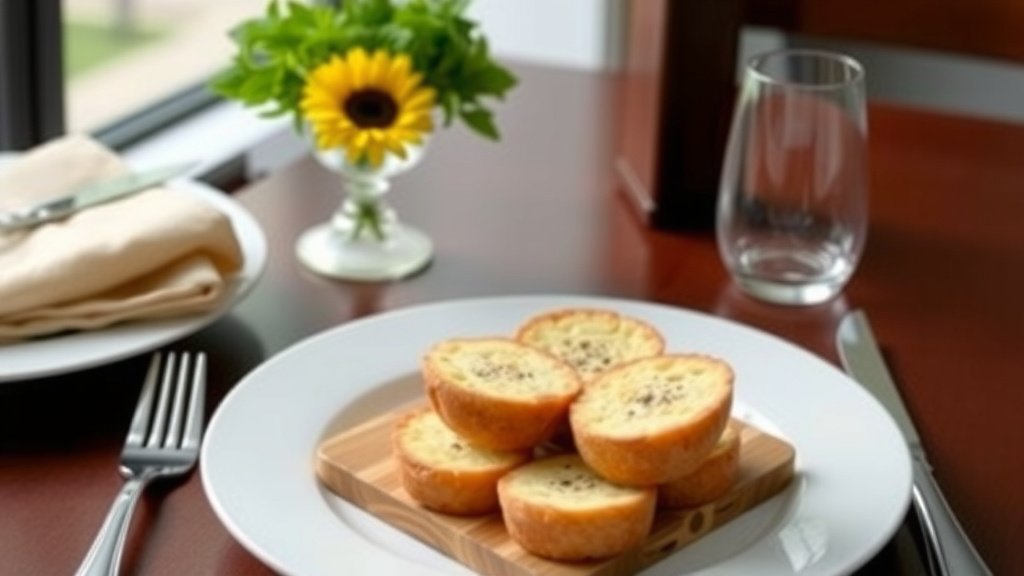
How Many Place Settings Do You Really Need
The number of place settings you need primarily depends on your household size and how often you entertain guests. For a small household of 1-2 people, 4-6 place settings are often enough, while larger families or those who frequently host should aim for 8-12 place settings to comfortably accommodate everyone. Having the right amount ensures you’re prepared for both everyday meals and special occasions without constant dishwashing or last-minute shopping for extra dishes. This will help you avoid feeling stressed when unexpected guests arrive.
When deciding, consider your dining habits and entertaining style. If you host large dinner parties regularly, you’ll want more place settings than someone who prefers intimate gatherings. Think about the size of your dining table and the storage space you have available for dishes. It’s also wise to factor in whether you prefer to wash dishes after each meal or let them pile up. A good rule of thumb is to have enough for a full house plus a few extra, ensuring you never feel caught off guard. Stocking up wisely saves time and stress.
- Consider your household size first.
- Factor in how often you entertain.
- Aim for 4-6 settings for small households.
- 8-12 settings are good for larger families or frequent hosts.
- Think about table size and storage.
Let’s break down the factors to consider and discover the ideal number of place settings for your unique needs.
Determining Your Ideal Number of Place Settings
Picking the right number of place settings is about more than just having enough plates. It’s about preparing for life’s gatherings. We’ve all been there – a surprise guest or a spontaneous get-together. Having the right amount of place settings means you’re always ready. Let’s figure out your perfect number.
Factors Influencing Your Place Setting Needs
Your daily life and how you socialize play a big role. Think about your home, your family, and your friends. This will help you make the best choice for your kitchen.
Your Household Size Matters Most
Start with who lives in your home. If it’s just you or you and a partner, you might not need a lot. Two people living together often use only two settings daily. Having a few extras is good, but you won’t need dozens.
For a family of three or four, the baseline increases. You’ll likely use more settings throughout the week. Consider if your children are young or teenagers. Teenagers can sometimes eat more or have friends over.
Larger households, say five or more, will naturally need more. It’s wise to have enough for everyone at the table. Think about your normal routine. Do you eat together every night? If so, dishwashing can become a daily chore.
Entertaining Habits: How Often Do You Host?
This is a major factor. Do you love hosting dinner parties? Are holidays a big event at your home? If you entertain frequently, you’ll need more than the basic daily amount. Even if you only host a few times a year, it’s nice to be prepared.
Consider the typical size of your gatherings. Do you usually have 2-4 guests? Or do you fill your dining room with 8-10 people? This directly impacts the number of settings you should own. Many experts suggest having enough for your largest expected group plus a few extra (The Spruce).
Think about different types of events. A casual brunch with friends might need fewer formal settings than a holiday feast. You might have a mix of everyday dishes and more formal ones. This can help you manage quantities.
Table Size and Storage Space
Your dining table is a physical constraint. How many people can comfortably sit at it? If you have a small table, you might not have space for a huge set. Conversely, a large table might feel bare with too few place settings.
Don’t forget about storage. Where will you keep all these dishes? Cabinets and shelves can fill up quickly. A large set of 12 or more might be impractical if you have limited kitchen storage. You don’t want your home feeling cluttered.
We found that many people overlook storage. It’s easy to get excited about a large set. But daily use and storage convenience are important. Think about what fits realistically in your space.
Recommended Place Setting Numbers
Based on common needs, here are some general recommendations. These are starting points to help you decide.
Small Households (1-2 People)
For individuals or couples, a set of 4-6 place settings is usually sufficient. This allows for a few guests without needing to wash dishes immediately after every meal. You’ll have enough for a small dinner party or if one setting is in the dishwasher.
Medium Households (3-4 People)
Families of three or four should consider 6-8 place settings. This covers your daily needs comfortably. It also provides enough for having a couple of friends or family members over for dinner. You have a little buffer.
Large Households (5+ People) or Frequent Hosts
If you have a larger family or entertain often, aim for 8-12 place settings. This number accommodates most family sizes and allows for larger gatherings. It’s a good investment if you host holidays or larger social events regularly.
For serious entertainers who host frequently, some suggest even more. You might consider 12-16 settings. This ensures you’re always prepared for unexpected guests or larger parties. It reduces stress during busy times.
A Quick Checklist for Your Needs
Use this to quickly assess your situation:
- How many people live in your home?
- How often do guests stay for meals?
- What is the maximum number of guests you usually host?
- How much storage space do you have?
- Do you prefer washing dishes daily or in batches?
- Do you plan to buy everyday and formal sets separately?
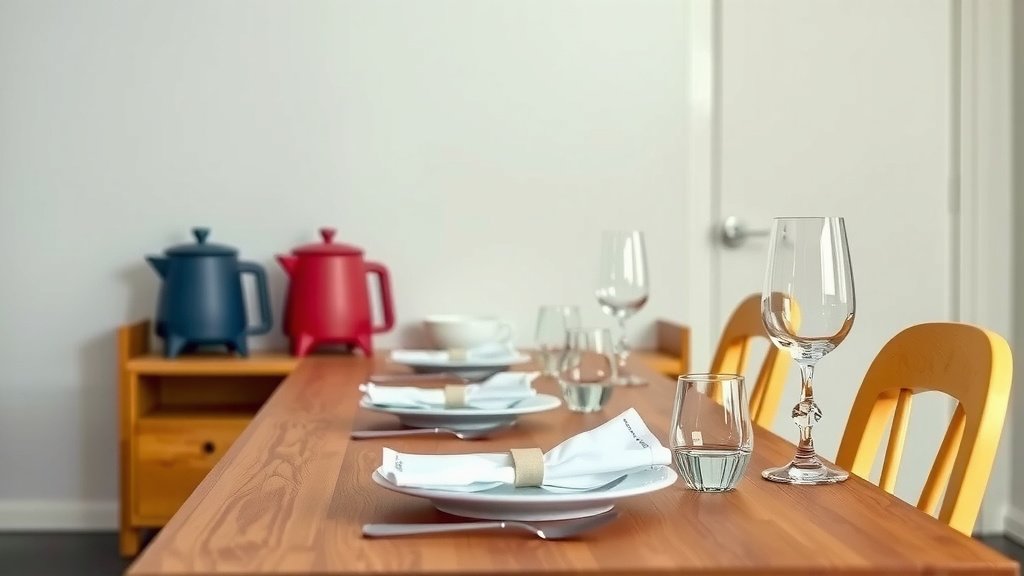
Everyday vs. Formal Place Settings
It’s worth considering if you need one set or two. Many people opt for everyday dishes and a separate set for special occasions. This is a practical approach that many sources recommend (Good Housekeeping).
Everyday Place Settings
These are your workhorses. They are used for breakfast, lunch, and dinner day in and day out. They should be durable, easy to clean, and something you like looking at daily. For this, a set of 4-8 is common for most households.
The number here often aligns with your daily usage. If you eat out a lot or use paper plates sometimes, you might get away with fewer. But for regular home dining, aim for enough to cover a few days of meals. This means you don’t have to wash after every single meal.
Formal or Special Occasion Place Settings
These are for holidays, birthdays, and other celebrations. They might be more delicate, have a special design, or simply feel more elevated. You likely won’t need as many of these.
A set of 6 or 8 is often enough for formal settings. This usually covers your immediate family plus a few close guests. Even if you have a large family, you might not host them all for formal meals simultaneously. This approach saves space and cost.
Considering Different Dish Materials
The material of your dishes can also influence how many you need. Some materials are more prone to chipping or breaking. Others are dishwasher-safe and very durable.
| Material | Durability | Care | Typical Number Needed |
|---|---|---|---|
| Stoneware | Good | Dishwasher/Microwave Safe | 4-12 |
| Porcelain | Good | Dishwasher/Microwave Safe | 4-12 |
| Ceramic | Moderate | Often Dishwasher/Microwave Safe | 4-8 |
| Melamine (Plastic) | Very Good | Dishwasher Safe (Top Rack often recommended) | 4-8 (Ideal for casual/outdoor) |
| Glass | Moderate | Dishwasher Safe | 4-8 |
We found that durable materials like stoneware and porcelain are popular for everyday use. They hold up well to frequent washing. Materials like melamine are excellent for outdoor dining or families with young children. They are very resistant to breaking.
If you choose delicate materials, you might want to have a few extra settings. This way, if one breaks, you don’t lose a whole set. Many people choose sturdy options for their main set.
Conclusion
You’ve learned that the ideal number of place settings isn’t a one-size-fits-all answer. It’s a thoughtful blend of your household size, how often you invite guests over, and your available space. Whether you’re a cozy duo or a bustling family, having the right amount means less stress and more enjoyment during meals and gatherings. Take a moment to assess your current needs and your entertaining style. Then, you’ll be well-equipped to make the perfect choice for your kitchen and your lifestyle.
Frequently Asked Questions
How many place settings should I buy if I live alone?
If you live alone, starting with 4 to 6 place settings is usually a good idea. This covers your daily use and allows for a few guests without constant dishwashing. You’ll have a buffer if one item is in the dishwasher.
Is it okay to have different types of plates for everyday and special occasions?
Yes, absolutely! Many people opt for durable everyday dishes and a separate, more formal set for holidays or special guests. This approach helps manage costs and storage space while ensuring you have the right look for any occasion.
What if I have limited kitchen storage space?
If storage is tight, focus on sets that are stackable or consider having fewer, more versatile pieces. You might also choose to buy individual pieces as needed rather than a large, pre-packaged set. Prioritize functionality for your daily life.
Should I buy more place settings than my maximum guest count?
It’s often recommended to have a few extra place settings beyond your typical maximum guest count. This accounts for items being in the dishwasher or if an unexpected guest arrives. Aim for your largest expected group plus 2-4 extra.
Do I need to buy matching sets for formal occasions?
Not necessarily. While matching sets are classic, you can also create a stylish formal look with coordinating pieces in complementary colors or styles. The key is that they feel elevated and suitable for a special meal.