Fix Your Leaking Dishwasher: Simple Steps
A leaking dishwasher can be a real pain, but you can often stop a dishwasher leaking yourself. Usually, the problem stems from a loose door seal, a clogged filter, or a cracked tub. Addressing these common issues is typically straightforward.
Many homeowners experience this messy issue. We found that checking the door gasket is the first step. Also, ensuring your dishwasher is level can prevent water from escaping the tub. Don’t let a little water ruin your day.
- Check the door seal for damage or debris.
- Make sure the dishwasher is sitting level on the floor.
- Clean out the filter at the bottom of the dishwasher.
- Inspect the spray arms for cracks or blockages.
- Verify the drain hose is properly connected and not kinked.
Let’s walk through the common culprits and how you can fix them step by step.
Tackling Your Leaky Dishwasher Issues
A dishwasher leak can certainly cause a bit of panic. You might be wondering, “Is this a quick fix or a major repair?” We’ve found that most dishwasher leaks stem from a few common, easily addressable causes. You can often stop a dishwasher from leaking with a little investigation and some simple DIY steps.
Checking the Door Seal for Leaks
The most frequent culprit behind a leaky dishwasher is the door seal, also known as the gasket. This rubbery strip creates a watertight barrier when the door is closed. If it’s damaged or dirty, water can escape.
Inspect the Door Gasket
Start by opening the dishwasher door fully. Carefully run your finger around the entire edge of the door opening. Feel for any nicks, tears, or gaps in the rubber seal. Also, check for any food debris or buildup stuck to the gasket. Grime can prevent it from sealing properly.
Cleaning the Gasket
If you find debris, cleaning is usually all that’s needed. Dampen a soft cloth with mild dish soap and warm water. Gently wipe down the entire gasket. Make sure to get into any grooves. Rinse the cloth and wipe away any soap residue. Dry the gasket thoroughly with a clean towel. A clean, intact gasket should create a tight seal.
When to Replace the Gasket
If you discover cracks, tears, or areas where the gasket is brittle or pulling away from the door frame, it’s likely time for a replacement. You can usually find replacement gaskets for your specific dishwasher model online or at appliance parts stores. Replacing a gasket is a straightforward DIY task for most models.
Ensuring Your Dishwasher is Level
Believe it or not, an unlevel dishwasher can cause water to pool and spill over. The water inside the tub needs to drain properly. If the unit is tilted, water might find its way out through the door or other openings.
How to Check for Levelness
You’ll need a carpenter’s level for this. Place the level on top of the dishwasher, ideally across the middle. Check if it’s level from front to back and side to side. If the bubble isn’t centered, your dishwasher needs adjustment.
Adjusting the Feet
Dishwashers have adjustable feet at the bottom corners. You’ll typically need to access these from the front by removing the kick plate at the base of the appliance. Most feet screw in or out to raise or lower the unit. Turn the feet clockwise to raise a corner and counter-clockwise to lower it. Adjust the feet until the dishwasher is perfectly level in both directions. This simple fix can prevent water from pooling and leaking.
Cleaning Out the Filter
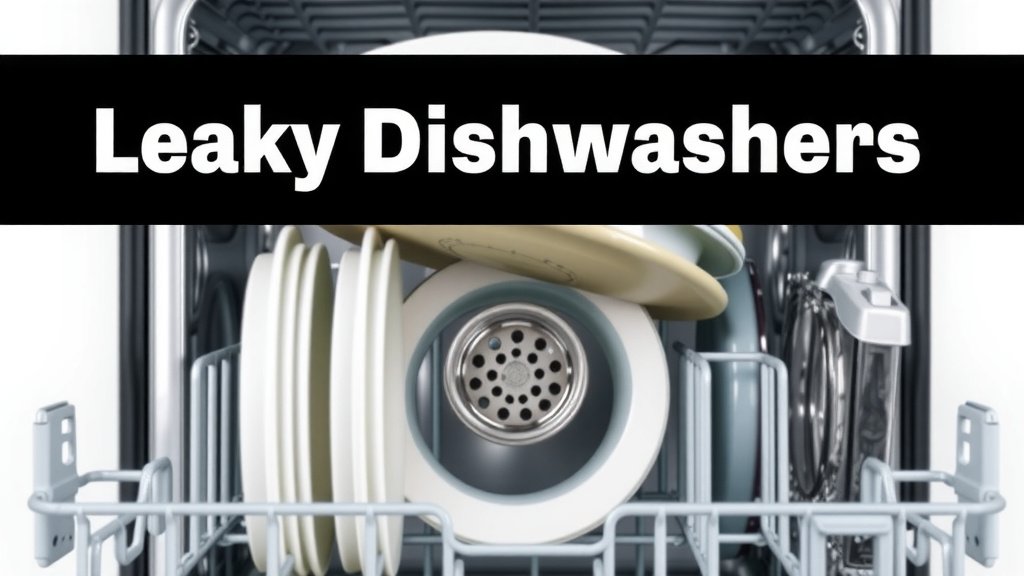
Most modern dishwashers have a filter located at the bottom of the tub. This filter catches food particles and debris, preventing them from clogging the drain pump or recirculating and redepositing onto your dishes. A clogged filter can cause water to back up and leak.
Locating Your Filter
The filter is almost always at the bottom of the dishwasher tub, underneath the lower spray arm. You’ll likely need to remove the bottom rack to get good access. Check your dishwasher’s manual if you’re unsure of its exact location or how to remove it. Many filters twist out easily.
The Cleaning Process
Once removed, take the filter to your sink. Rinse it under running water. Use a soft brush (an old toothbrush works well) to gently scrub away any stuck-on food particles or gunk. Some filters have multiple parts; make sure to clean each one thoroughly. We found that a thorough cleaning can make a big difference.
Reassembly is Key
After cleaning, ensure the filter is completely dry before reinstalling it. It’s crucial to put the filter back in correctly and securely. A loose filter can cause leaks during the wash cycle.
Inspecting the Spray Arms
The spray arms are responsible for distributing water throughout the tub. While less common, damaged spray arms can sometimes contribute to leaks.
Checking for Cracks and Blockages
Carefully remove the spray arms. Most simply unscrew or unclip. Look closely at them for any cracks or damage. If an arm is cracked, water might spray in an uncontrolled direction, potentially hitting the door seal unevenly and causing a leak. Also, check the small holes on the spray arms. If they are clogged with food debris, the water pressure can be affected, sometimes leading to unusual spray patterns.
Clearing Clogged Holes
Use a toothpick or a small piece of wire to gently poke out any debris blocking the spray holes. Rinse the spray arms thoroughly under running water to ensure all blockages are gone. If you find any cracks, you’ll likely need to replace the spray arm.
Verifying the Drain Hose Connection
The drain hose carries water from the dishwasher to your sink’s drain or garbage disposal. If this hose is damaged, kinked, or improperly connected, it can lead to leaks.
Checking for Kinks and Damage
You may need to pull the dishwasher out slightly from under the counter to access the back. Look for any obvious kinks in the drain hose that could impede water flow. Also, inspect the hose itself for any cracks or holes. Minor damage might be repairable with special hose clamps, but significant damage usually requires replacing the entire hose.
Ensuring a Secure Connection
At both ends—where it connects to the dishwasher and where it connects to the sink drain—ensure the hose is securely fastened. A loose clamp can allow water to escape. Double-check that the hose is inserted far enough into the drainpipe to create a proper seal. Many plumbing codes require a “high loop” for the drain hose, meaning it arches up near the countertop before descending to the drain. This prevents dirty sink water from backing up into the dishwasher. Check your local codes and your dishwasher’s installation manual for specific requirements.
Common Leak Symptoms and Solutions Checklist
Here’s a quick rundown to help you pinpoint and fix that leak:
- Door Leaks: Most often caused by a dirty or damaged door gasket. Clean or replace it.
- Water Pooling at Front: Could be a tilted dishwasher. Check and adjust the leveling feet.
- Water Around Filter Area: Likely a clogged or improperly seated filter. Clean and secure it.
- Leaks During Drain Cycle: Inspect the drain hose for kinks, damage, or loose connections.
- Water Spraying Excessively: Examine spray arms for cracks or blocked holes.
Conclusion
You’ve now learned how to tackle common dishwasher leaks. Addressing the door seal, leveling, filter, spray arms, and drain hose are often all it takes. These simple checks can save you time and money. Don’t let a small leak turn into a bigger problem. If you’ve gone through these steps and the leak persists, it might be time to consult your dishwasher’s manual or call a professional appliance repair technician.
Frequently Asked Questions
What if my dishwasher leaks only when it’s running?
A leak that only happens during the wash cycle often points to an issue with the door seal or a clogged filter. Make sure the gasket is clean and intact, and check that your filter is free of debris and properly seated. These are the most common causes for leaks that appear mid-cycle.
Can a dishwasher be too full of dishes to cause a leak?
Yes, overloading your dishwasher can sometimes contribute to leaks. When the tub is too full, dishes can block the spray arms or interfere with the door seal. We found that arranging dishes properly ensures water can circulate freely and the door can close tightly.
Is it safe to run my dishwasher if it’s leaking a little?
It’s generally not recommended to run a leaking dishwasher, even a small leak. Continued operation can worsen the problem, potentially causing water damage to your floors and cabinets. It’s best to identify and fix the cause before running another cycle.
How often should I clean my dishwasher filter?
We recommend cleaning your dishwasher filter at least once a month, especially if you notice decreased cleaning performance or potential signs of a leak. If you frequently run your dishwasher or wash heavily soiled dishes, you might need to clean it more often.
What is a “high loop” for a dishwasher drain hose?
A high loop is when the drain hose is routed up as high as possible under your sink before connecting to the drain pipe. This prevents dirty sink water from flowing back into your dishwasher. Many local plumbing codes require this for proper drainage and sanitation.