
Dishwasher Detergent Amount: How Much Do You Need
So, how much detergent should you use in your dishwasher? For most loads, a single pod or a tablespoon of liquid or powder detergent is usually enough. Using too much can actually lead to cloudy dishes and machine damage.
Dishwasher detergents are powerful. They are formulated to tackle tough grease and food particles effectively. Overdoing it can create excessive suds, which can interfere with the cleaning cycle and even cause leaks. We found that many manufacturers recommend the least amount necessary for sparkling results.
- A general rule is one pod or one tablespoon of detergent.
- Check your dishwasher’s manual for specific recommendations.
- Adjust based on water hardness and load size.
- Too much detergent can cause spotting and residue.
Let’s break down exactly how to get the perfect amount for your specific dishwasher and cleaning needs.
Finding the Right Dishwasher Detergent Amount
Figuring out the right amount of dishwasher detergent can feel like a puzzle. You want clean dishes, but you don’t want a foamy mess. We’ve looked into it, and generally, a single pod or one tablespoon of liquid or powder is your sweet spot for most dishwasher loads.
This amount is usually enough to tackle everyday grime and grease. Using too much detergent can actually be counterproductive. It can lead to cloudy dishes and even damage your dishwasher over time. Think of it like this: too much soap in your laundry doesn’t make clothes cleaner, it just requires more rinsing and can wear out the fabric. The same principle applies here.
Why Less Detergent is Often More
Dishwasher detergents are formulated to be quite potent. They contain powerful enzymes and cleaning agents. These are designed to break down stubborn food particles and grease. When you use too much, these agents can go into overdrive.
What happens then? You get an excessive amount of suds. These suds can fill your dishwasher tub. They can even overflow, leading to potential water damage around your kitchen. Experts at Consumer Reports have found that using the manufacturer’s recommended amount, or even slightly less, often yields the best results for spot-free dishes. Over-sudsing also interferes with the dishwasher’s spray arms, meaning water can’t reach all your dishes effectively.
The Impact of Too Much Soap
Using more detergent than needed is a common mistake. It might seem like more soap equals more cleaning power. However, research shows this isn’t the case for dishwashers. Too much detergent can leave behind a chalky residue on your glasses and plates. This is known as filming or spotting. It’s especially noticeable on glassware.
Beyond the visual annoyance, excessive detergent can build up inside your dishwasher. This can clog filters and damage heating elements or pumps. These are repairs you definitely want to avoid. Many dishwasher manuals advise starting with the smallest recommended amount to see how it performs.
Understanding Your Detergent Type
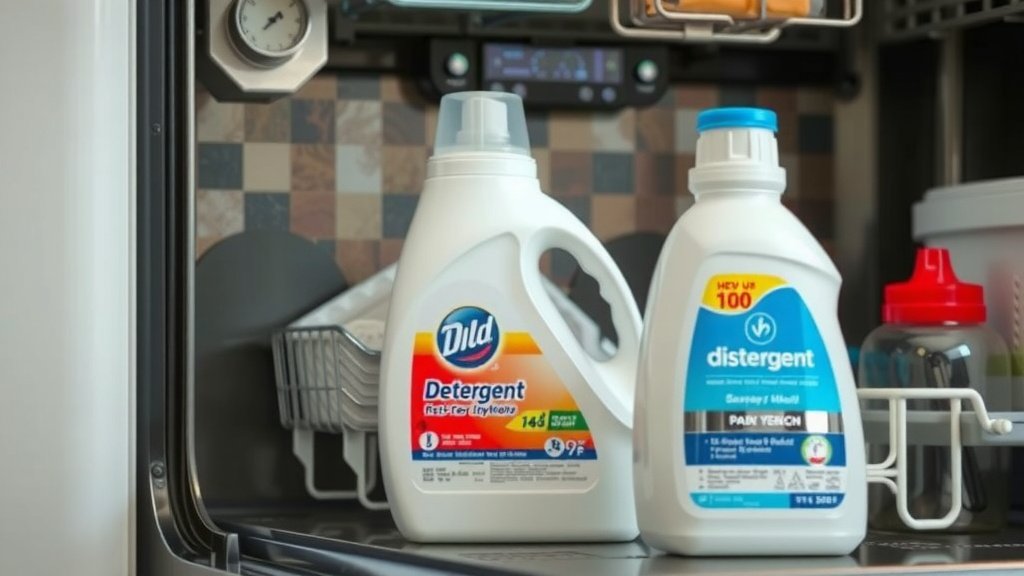
The type of detergent you use can influence how much you need. Dishwasher detergents come in three main forms: pods, powders, and liquids. Each has its own way of dispensing and its own typical usage amount.
Dishwasher Pods: The Easy Option
Pods are pre-measured and incredibly convenient. You just toss one into the detergent compartment. For most standard loads, one pod is the correct amount. They are designed to dissolve completely during the wash cycle. Some people wonder if they should use half a pod for smaller loads. While technically possible, it’s often not recommended by manufacturers. The pod’s design and how it dissolves are optimized for a full cycle.
Research suggests that pods can be very effective. They often contain a rinse aid and other cleaning boosters. This makes them a good all-in-one solution. Just be sure to store them safely away from children and pets, as they can be mistaken for candy.
Dishwasher Powder: The Adjustable Choice
Powder detergents offer the most flexibility. You can easily adjust the amount. The general guideline for powder is one to two tablespoons per load. Your dishwasher’s detergent dispenser usually has markings to help you measure. A good starting point is to fill it to the line labeled for a “medium” load.
We found that many users find success by starting with one tablespoon. If dishes aren’t coming out perfectly clean, you can gradually increase it to 1.5 or two tablespoons. It’s important not to overfill the dispenser, even with powder. Overfilling can lead to excess suds and poor rinsing.
Liquid Dishwasher Detergent: Similar to Powder
Liquid detergents are very similar to powders in terms of usage. You’ll typically use one to two tablespoons. Like powders, they are dispensed from the same compartment. Check the markings on your dispenser for guidance.
The consistency of liquid detergents can sometimes make them harder to measure precisely. A tablespoon is a good general tool if your dispenser lacks clear markings. As with powder, start with a smaller amount and adjust as needed. Some users report that liquids can sometimes leave a faint film if too much is used, especially in areas with hard water.
Factors Influencing Detergent Needs
The perfect amount of detergent isn’t a one-size-fits-all answer. Several factors can influence how much you should use. Understanding these can help you achieve truly spotless dishes.
Water Hardness: A Key Variable
The hardness of your water is a big deal. Hard water has a high mineral content. These minerals can interfere with how well detergent works. In areas with very hard water, you might need slightly more detergent to get a good clean. This helps the cleaning agents cut through the minerals and clean your dishes effectively.
Conversely, if you have very soft water, you might need less detergent. Too much in soft water can lead to excess suds. We found that many water utilities provide information on local water hardness. You can often find this on their website. Some dishwasher detergents are also formulated specifically for hard water conditions.
Load Size Matters
A half-empty dishwasher doesn’t need the same amount of detergent as a full one. For smaller loads, try using a little less detergent than you normally would. If you’re using powder or liquid, you can simply measure out a smaller amount. For pods, this is trickier, but sometimes you can cut a pod in half, though it might not dissolve perfectly.
Many manufacturers recommend running your dishwasher only when it’s full to maximize efficiency. This also simplifies detergent usage. When in doubt, err on the side of using less for smaller loads. It’s easier to add a bit more next time than to deal with too many suds.
Food Soil Level
How dirty are your dishes? If you’ve only got a few light crumbs, you probably don’t need a full scoop of detergent. For loads with heavy, baked-on food, you might need the standard amount or even a bit more, especially if your water is also hard. Pre-rinsing dishes can sometimes reduce the need for a full dose of detergent, but modern dishwashers and detergents are designed to handle food soil without pre-rinsing (Centers for Disease Control and Prevention).
However, excessive pre-rinsing can actually make your detergent less effective. Detergent needs something to work on! If you scrape off large food chunks, that’s usually sufficient. Let the detergent do the heavy lifting for the rest.
Quick Checklist for Perfect Detergent Use
Here’s a handy checklist to help you nail the right amount of detergent every time:
- Check Your Manual: Always consult your dishwasher’s user manual first.
- Start Small: Begin with the lowest recommended amount for your detergent type.
- Assess Your Water: If you have hard water, you might need slightly more.
- Consider Load Size: Use less for smaller or lightly soiled loads.
- Observe the Results: Look for residue or spots, and adjust next time.
- Pods are Easy: For pods, one per load is almost always the answer.
Conclusion
Getting the right amount of dishwasher detergent is simpler than you might think. Remember, one pod or one tablespoon is your go-to for most loads. Using too much detergent can actually cause more problems, like cloudy dishes and potential machine issues. By considering your water hardness, load size, and food soil level, you can fine-tune your detergent use. We found that starting with the minimum recommended amount and adjusting based on your results is the smartest approach.
So, next time you load your dishwasher, aim for that perfect balance. Your dishes will thank you!
Frequently Asked Questions
Can I use less detergent than recommended for a small load?
Yes, for smaller or lightly soiled loads, you can use less detergent. If you’re using powder or liquid, simply measure out a smaller amount, like half a tablespoon. This helps avoid excess suds and ensures your dishwasher runs efficiently without wasting detergent.
What happens if I use too much detergent?
Using too much detergent can lead to excessive suds that might overflow your dishwasher. It can also cause a chalky residue or filming on your dishes, especially glassware. Over time, this can even clog filters or damage internal components of your machine.
Does water hardness really affect how much detergent I need?
Yes, water hardness is a key factor. If you have hard water, you might need slightly more detergent to effectively cut through minerals and clean your dishes. For very soft water, you’ll likely need less detergent to prevent over-sudsing and residue.
Should I rinse dishes before putting them in the dishwasher?
Most modern dishwashers and detergents are designed to handle food soil without pre-rinsing. It’s usually best to just scrape off large food chunks. Excessive pre-rinsing can actually make detergent less effective, as it needs some food particles to work on.
How do I know if I’m using the right amount of detergent?
Observe your dishes after the wash cycle. If you see white spots, residue, or filming, you might be using too much detergent or have hard water. If dishes still have food particles or aren’t clean, you might need slightly more. Fine-tuning is key.