
How Much Rinse Aid to Use for Sparkling Dishes
You’re probably wondering, “How much rinse aid should I use in my dishwasher?” The answer is simple: fill the dispenser completely, and your dishwasher will automatically release the right amount. Most modern dishwashers use about one to two tablespoons per cycle, so don’t overthink it. It’s designed to work automatically!
Rinse aid is your secret weapon for sparkling, spot-free dishes. It helps water sheet off your plates instead of beading up. This means faster drying and fewer water spots. Without enough rinse aid, you might notice streaks or damp glasses even after the cycle is done.
- Rinse aid dispensers automatically release the correct amount.
- Fill the dispenser completely for best results.
- Most dishwashers use 1-2 tablespoons per cycle.
- It prevents water spots and improves drying.
- Check your manual for specific dispenser instructions.
Let’s get your dishwasher working like a champ. We’ll cover exactly what you need to know about rinse aid amounts and how to keep your dishes looking their best.
Determining Your Dishwasher’s Rinse Aid Needs
So, how much rinse aid does your dishwasher actually need? The simplest answer is that you don’t need to measure it yourself. Your dishwasher is designed with a built-in dispenser that handles the dispensing automatically. Your main job is to keep that dispenser full. The machine will then release the perfect amount for each wash cycle.
Think of the rinse aid dispenser like a tiny, automated bartender for your dishes. It knows exactly how much to pour to ensure everything comes out looking its best. Most modern dishwashers are programmed to use somewhere between one to two tablespoons of rinse aid per cycle. This is a general guideline, and the exact amount can vary slightly by manufacturer and model.
The Science Behind Rinse Aid: Why It Matters
Ever wonder why rinse aid works its magic? It’s all about surface tension. Water, especially hard water, tends to form little beads on surfaces. These beads are what leave those annoying spots and streaks behind as they dry. Rinse aid is a liquid surfactant. That means it reduces the surface tension of water.
When water has lower surface tension, it can’t form those tiny beads. Instead, it sheets off your dishes in a smooth layer. This allows water to run off more quickly and evenly. The result? Dishes that dry much faster and are virtually spot-free. It’s like making water a better traveler, helping it glide right off.
How Rinse Aid Prevents Water Spots
Water spots are a common enemy of clean dishes. They form when mineral deposits are left behind after water evaporates. Rinse aid prevents this by ensuring water doesn’t sit long enough to evaporate in the first place. It helps water drain away completely. This leaves no time for those pesky minerals to settle. Many experts, like those at the Cleveland Clinic, suggest using rinse aid, especially in areas with hard water, to combat these issues.
Boosting Drying Performance
Beyond just preventing spots, rinse aid significantly improves drying performance. When water sheets off, there’s less residual moisture left on your dishes. This means less condensation inside the dishwasher. It also means your glasses and plates come out feeling drier to the touch. You’ll notice a big difference on plastics, which tend to hold onto moisture.
Locating and Filling Your Rinse Aid Dispenser
Finding the rinse aid dispenser is usually straightforward. It’s typically located inside your dishwasher door, often near the detergent dispenser. Look for a small compartment with a symbol that looks like a sun or a star. Some models might have a slightly different design, so your dishwasher’s manual is the best guide.
Step-by-Step Guide to Filling
Here’s how to fill it up:
- Open your dishwasher door.
- Locate the rinse aid dispenser. It’s usually a small, clear or colored plastic compartment.
- Open the dispenser lid. This might involve pushing a tab or lever.
- Carefully pour the liquid rinse aid into the opening until it’s full. Be careful not to overfill or spill.
- Wipe up any spills immediately. Rinse aid can cause suds if too much gets into the wash.
- Close the dispenser lid securely.
- Your dishwasher will automatically dispense the correct amount during the rinse cycle.
What to Do If You Spill Rinse Aid
Accidents happen, and if you spill some rinse aid, don’t panic. The most important thing is to wipe it up thoroughly. Rinse aid is designed to reduce suds, but a significant spill can still cause excessive foaming in your dishwasher. This excessive foaming can sometimes interfere with the wash cycle or even lead to leaks. A quick wipe-down with a damp cloth usually does the trick.
Understanding Rinse Aid Dispenser Settings
Most modern dishwashers offer a way to adjust how much rinse aid is dispensed. This is usually a dial or a slider inside the dispenser compartment. You might see settings labeled from 1 to 5, or low to high. These settings allow you to fine-tune the amount based on your water hardness and personal preference.
How to Adjust the Dispenser Setting
If your dishes are still coming out with spots or are too wet, you might need to adjust the setting. Check your dishwasher manual for instructions specific to your model. Generally, you’ll find a small dial or lever near the rinse aid opening. Move the dial to a higher number or the “max” setting if you suspect you need more rinse aid. Conversely, if you notice excessive suds, you might need to turn the setting down.
When to Change the Rinse Aid Setting
Consider changing your rinse aid setting if you notice a consistent problem with your dishes. For example, if you live in an area with very hard water, you may need to use a higher setting. Many guidelines suggest that hard water requires more rinse aid to prevent mineral buildup (National Science Foundation). Conversely, if your water is very soft, you might be able to use a lower setting. It’s often a process of trial and error.
How Often Should You Refill the Rinse Aid?
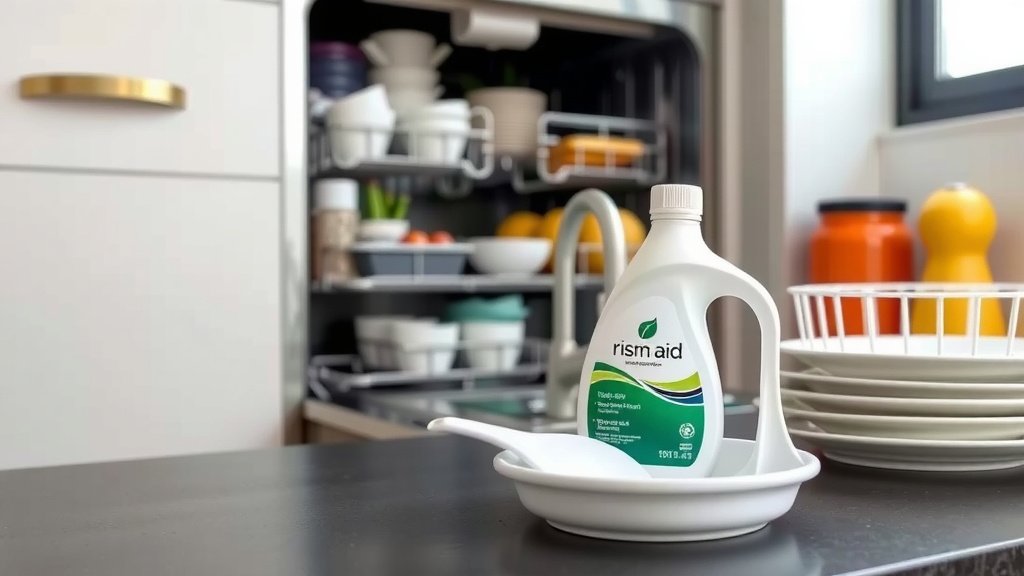
You don’t need to refill the rinse aid dispenser after every wash. The dispenser holds a good amount of liquid. It’s designed to last for many cycles. Most people find they need to refill it once a month, but this can vary. It depends on how often you run your dishwasher and the setting you’re using.
Indicators That It’s Time to Refill
Many dishwashers have a built-in indicator to let you know when the rinse aid is running low. This might be a small light on the control panel or a visual indicator on the dispenser itself. Some machines will even display a message on a digital screen. If you don’t have an indicator, you’ll likely notice changes in how your dishes are drying. Increased spotting or dampness are good clues. Your best bet is to check the dispenser visually every few weeks.
| Problem | Possible Cause | Solution |
|---|---|---|
| Dishes still spotted | Rinse aid dispenser empty or set too low | Fill dispenser. Increase setting on dispenser. |
| Dishes too wet | Rinse aid dispenser empty or set too low | Fill dispenser. Increase setting on dispenser. |
| Excessive suds | Spilled rinse aid or dispenser set too high | Wipe up any spills. Decrease setting on dispenser. |
| No indicator light | Low rinse aid or faulty indicator | Check dispenser visually. Consult manual. |
Common Mistakes to Avoid
While using rinse aid is generally simple, a few common mistakes can hinder its effectiveness. One is not refilling the dispenser when it’s empty. If the light is on, and you ignore it, your dishes will start showing the effects. Another mistake is using the wrong type of product. Always use a liquid rinse aid specifically designed for dishwashers.
Using the Wrong Product
Never use dish soap or other detergents in the rinse aid dispenser. These products are formulated to create suds. Putting them in the rinse aid compartment will lead to an overwhelming amount of foam. This can cause major issues with your dishwasher’s performance and potentially damage the appliance. Stick to the official rinse aid products.
Forgetting to Check Your Manual
Your dishwasher’s manual is your best friend. It contains model-specific information about your rinse aid dispenser. Knowing how to locate it, fill it, and adjust its settings is key. If you’re ever unsure, a quick look at the manual will provide clear instructions. It’s much easier than guessing!
A Quick Checklist for Rinse Aid Success
To ensure your rinse aid is always working perfectly, keep these simple tips in mind:
- Always keep the rinse aid dispenser full.
- Check the indicator light or visually inspect regularly.
- Adjust the dispenser setting if dishes aren’t drying properly or are spotted.
- Wipe up any spilled rinse aid immediately.
- Consult your dishwasher’s manual for specific details.
- Use only liquid rinse aid made for automatic dishwashers.
Conclusion
You’ve learned that precisely measuring rinse aid isn’t your job; your dishwasher handles that automatically. Your main task is simply to keep the rinse aid dispenser full. By doing this, you ensure water sheets off dishes, leading to faster drying and fewer spots. Adjusting the dispenser setting can further help if you encounter persistent issues with water hardness. Regularly checking your dispenser and consulting your manual are the simplest ways to achieve consistently spotless dishes with every wash. So, go ahead and top up that dispenser for your next load!
Frequently Asked Questions
What happens if I don’t use rinse aid?
If you skip rinse aid, you’ll likely notice your dishes aren’t drying as well. Water may bead up, leaving behind spots and streaks, especially on glasses. You might also find that plastics and other items remain damp after the cycle. It’s a small step that makes a big difference in the final clean.
Can I use regular dish soap instead of rinse aid?
No, absolutely not. Never put regular dish soap or any other detergent in the rinse aid dispenser. These products create a lot of suds, which can cause your dishwasher to overflow with foam. This can interfere with the cleaning process and potentially damage your appliance.
How often should I visually check my rinse aid level?
It’s a good idea to visually check your rinse aid level about once every two weeks. Even if your dishwasher doesn’t have a low-level indicator, this regular check will help you anticipate when to refill. This frequency helps ensure you don’t run out unexpectedly during a wash cycle.
My dishes are still spotted even with rinse aid. What should I do?
If you’re still seeing spots, your rinse aid setting might be too low, or the dispenser could be empty. Try filling the dispenser completely and then increase the rinse aid setting on your dishwasher. Areas with very hard water may require a higher setting for optimal results.
Is rinse aid necessary if I have a water softener?
While a water softener helps reduce mineral content, rinse aid still plays a vital role. It improves drying performance by reducing water’s surface tension, allowing it to sheet off more effectively. You might be able to use a lower rinse aid setting, but continuing to use it will generally result in shinier, drier dishes.