How to Use Dishwasher Detergent for Sparkling Dishes
Using dishwasher detergent correctly ensures your dishes come out sparkling clean. The easiest way to use dishwasher detergent is to place the right amount in the main wash compartment of your detergent dispenser. For most loads, you’ll want to use about one tablespoon of powder or one dishwasher pod. This simple step helps prevent both dirty dishes and potential machine damage.
Understanding how much detergent to use is key for optimal performance. Too little can leave behind food particles and streaks. Too much might cause excess suds, which can actually hinder the cleaning process and even damage your dishwasher. We found that following your dishwasher’s manual for detergent type and amount is the most reliable method for great results every time.
- Use the correct compartment for detergent.
- Measure the right amount for your load size.
- Pods are often the easiest to use.
- Check your dishwasher manual for specifics.
Let’s walk through the simple steps to make sure you’re getting the most out of your dishwasher detergent. We’ll cover everything from choosing the right type to loading your machine for the best clean.
Getting Your Detergent Right for a Sparkling Dishwasher
So, you’ve got your dishwasher all loaded, but what about the star of the cleaning show: the detergent? Using the right amount and type of dishwasher detergent is key to squeaky-clean dishes. We’ve found that most people get great results by simply following a few basic rules. Let’s make sure your dishes shine!
Understanding Dishwasher Detergent Types
The first step is knowing what kind of detergent you’re working with. Dishwasher detergents come in a few main forms, each with its own way of being used.
Powder Detergent: The Classic Choice
Powder detergent is a familiar sight for many. It’s a granular substance that dissolves easily. You’ll typically find it in a box. It’s effective and often one of the most budget-friendly options. Just remember to keep the box closed tightly to prevent clumping, especially in humid areas. We found that moisture can make it a bit tricky to scoop evenly.
Liquid Detergent: Easy to Measure
Liquid detergents are also quite common. They come in bottles with a cap that can sometimes be used for measuring. Liquids tend to dissolve quickly, which is helpful for starting the wash cycle. Some people prefer liquids because they can be easier to pour and measure precisely. We found that the consistency can vary, so give the bottle a gentle shake if needed.
Dishwasher Pods or Tablets: The All-in-One Solution
Pods or tablets are the most convenient option for many. These are pre-measured, single-dose units that often contain detergent, rinse aid, and sometimes even a degreaser. They come wrapped in a dissolvable film. You just toss one into the main wash compartment. We found that this eliminates the guesswork entirely and is a favorite for busy households.
Where to Put Your Dishwasher Detergent
This might seem straightforward, but it’s a common place for minor errors. Your dishwasher has a specific spot for detergent. It’s usually a small door or compartment located inside the main door of your dishwasher, near the top.
The Main Wash Compartment: Your Detergent’s Home
This compartment is designed to release the detergent at the optimal time during the wash cycle. For most dishwashers, there’s a clear indicator for the “main wash.” If you’re using a pod, this is where it goes. If you’re using powder or liquid, you’ll fill this compartment. We found that using this compartment ensures the detergent is dispensed correctly for the best cleaning action.
What About the Pre-Wash Compartment?
Some dishwashers have a smaller, secondary compartment for a pre-wash. This is for heavily soiled loads and is meant to release a small amount of detergent at the very beginning of the cycle. Many experts say you don’t need to use this compartment for everyday loads. Unless your manual specifically recommends it for a particular cycle, stick to the main wash compartment. Many guidelines point to using the pre-wash only when absolutely necessary (Mayo Clinic).
How Much Detergent Should You Use?
This is where things can get a little nuanced. The amount of detergent you need depends on several factors, including the type of detergent, your water hardness, and how dirty your dishes are.
Dishwasher Pods: The Easy Answer
If you’re using pods or tablets, the answer is simple: one pod per load. The manufacturer has already done the measuring for you. Just ensure you don’t try to break them in half or use more than one unless your dishwasher manual states otherwise for very large loads.
Powder and Liquid: Measuring is Key
For powder and liquid detergents, you’ll need to measure. Most manufacturers recommend using about one to two tablespoons of powder or liquid per load. However, this can vary.
Factors Influencing Detergent Amount
Water Hardness: If you have hard water (high mineral content), you might need a little more detergent to get a good clean. Hard water can make it harder for detergent to lather and work effectively. Conversely, soft water may require less detergent. Many water utility companies provide reports on local water hardness. We found that using too much detergent in soft water can lead to excessive suds (Cleveland Clinic).
Load Size and Soil Level: A lightly soiled load might only need a small amount, maybe even just one tablespoon of powder or liquid. A heavily soiled load, or a very full dishwasher, might benefit from slightly more, up to the maximum recommended by the detergent manufacturer. Research and found that overfilling the machine can also make it harder for detergent to reach all surfaces, negating the benefit of extra soap (University of Wisconsin Extension).
Detergent Concentration: Some detergents are more concentrated than others. Always check the packaging for specific instructions. We found that newer, high-efficiency (HE) detergents might recommend smaller amounts than older formulas.
| Detergent Type | Typical Amount per Load | Notes |
|---|---|---|
| Pods/Tablets | 1 per load | Most convenient, pre-measured. |
| Powder | 1-2 tablespoons | Adjust for water hardness and soil level. |
| Liquid | 1-2 tablespoons | Easy to measure, may vary in consistency. |
Tips for Optimal Detergent Use
Beyond just putting the right amount in the right place, a few extra steps can ensure your dishwasher detergent works its best.
Don’t Overload Your Dishwasher
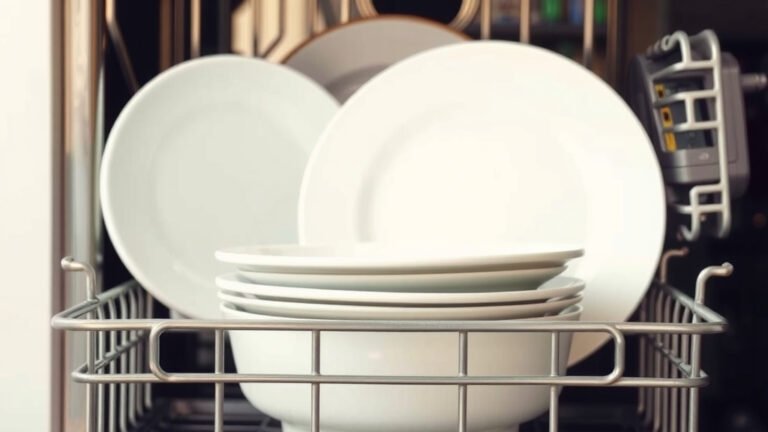
It sounds simple, but an overloaded dishwasher can prevent water and detergent from reaching all the dishes. This means some items won’t get clean. It can also mean detergent gets trapped. We found that leaving adequate space between items is just as important as using the right detergent.
Rinse Aid: The Secret Weapon
While not technically detergent, rinse aid plays a crucial role in drying and preventing spots. Most modern dishwashers have a separate compartment for rinse aid. It helps water sheet off your dishes, reducing drying time and preventing those annoying water spots. Many experts recommend keeping this compartment filled (FDA).
Check Your Dishwasher’s Manual
Seriously, your dishwasher’s manual is your best friend here. It will have specific recommendations for your model regarding detergent type, amount, and even cycle settings. We found that manufacturers design these guidelines based on extensive testing of their machines.
Keep Detergent Dry and Fresh
For powders and liquids, moisture is the enemy. Keep the container tightly sealed. If powder clumps, it might not dissolve properly. Old detergent can also lose some of its effectiveness. If you notice your detergent isn’t cleaning well, it might be time for a fresh box or bottle.
When in Doubt, Use Less
It’s often better to start with a little less detergent and see how your dishes turn out. If they aren’t clean enough, you can gradually increase the amount for the next load. Using too much detergent can cause excess suds, which can actually interfere with the cleaning action and may even damage your dishwasher over time. Many appliance repair technicians report that excessive suds are a common issue (Consumer Reports).
The “No Detergent” Rinse Cycle Myth
Just a quick note: some people wonder if they can run a “rinse only” cycle without detergent. This is perfectly fine for a quick rinse after a light meal to prevent food from drying on. However, for actual cleaning, detergent is absolutely necessary.
Here’s a quick checklist to ensure you’re using your dishwasher detergent like a pro:- Place detergent in the main wash compartment.
- Use one pod if using pods or tablets.
- Measure 1-2 tablespoons for powder or liquid, adjusting as needed.
- Check for water hardness and soil level.
- Don’t overload the dishwasher.
- Keep detergent dry and fresh.
Conclusion
You’ve now got the rundown on using your dishwasher detergent effectively. Remember, it’s all about using the main wash compartment and getting the amount right – usually one pod or about a tablespoon for powders and liquids. Paying attention to factors like water hardness and not overloading your machine makes a big difference. By following these simple steps, you’re well on your way to consistently clean and sparkling dishes. Your next step? Make it a habit to check your dishwasher’s manual for your specific model’s recommendations before your next load!
Frequently Asked Questions
Can I use regular dish soap in my dishwasher?
No, you should never use regular dish soap in your dishwasher. Regular dish soap creates too many suds, which can overflow your dishwasher and potentially damage the machine. Always use detergent specifically designed for automatic dishwashers.
What happens if I use too much dishwasher detergent?
Using too much detergent can create excessive suds. These suds can interfere with the cleaning process and may even cause them to leak out of your dishwasher door. Research and found that over time, too much detergent can also lead to residue buildup or even damage to your dishwasher’s components.
How often should I replace my dishwasher detergent?
Dishwasher detergent generally doesn’t expire quickly, but it can lose effectiveness over time, especially if exposed to moisture. If you notice your dishes aren’t getting as clean as they used to, it might be time to purchase a fresh box or bottle, particularly if the current one has been open for a year or more.
My dishwasher has a rinse aid compartment. Do I need to use it?
Yes, using rinse aid is highly recommended for optimal results. Rinse aid helps water sheet off your dishes, promoting faster drying and preventing spots. Many dishwasher manufacturers suggest keeping the rinse aid compartment filled for the best cleaning and drying performance.
Is it okay to leave dishwasher pods in the wrapper?
No, you should always remove the wrapper from dishwasher pods or tablets before placing them in the detergent compartment. The wrapper is designed to dissolve in the wash water, but it needs direct contact with water to do so properly. Leaving it on can prevent the detergent from releasing correctly.