
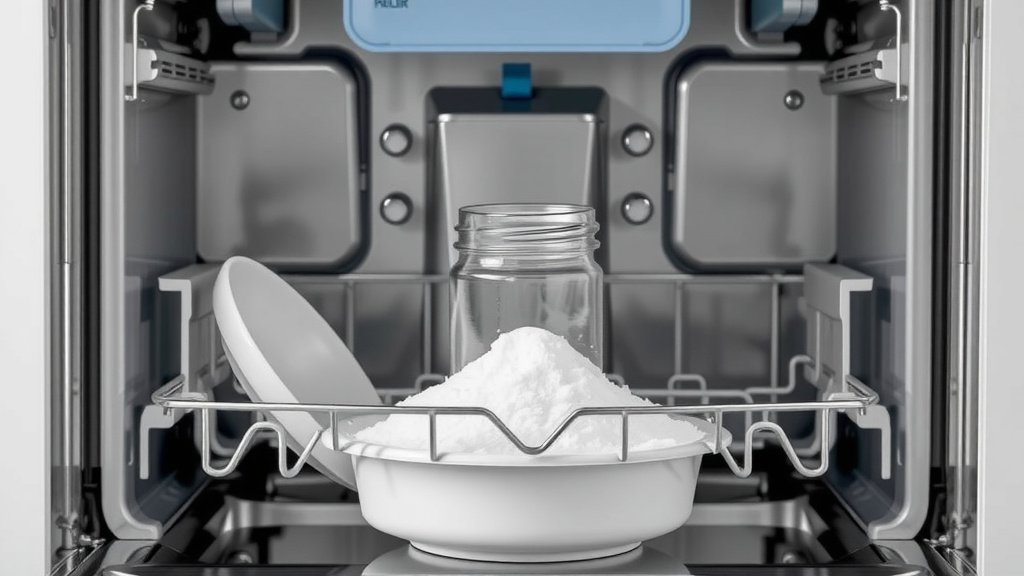
How to Add Salt to Your Dishwasher for Better Cleaning
Yes, you can and should add salt to your dishwasher. This special dishwasher salt helps prevent limescale buildup and improves your dishwasher’s performance, especially in hard water areas. It’s a simple step that makes a big difference for your dishes.
Many homeowners wonder if regular table salt is okay, but using the correct type of dishwasher salt is essential. This salt works with your dishwasher’s built-in water softener. Without it, you might notice spots on your glasses and dullness on your silverware.
- Dishwasher salt softens water for better cleaning.
- It prevents unsightly spots and film on dishes.
- Using the right salt protects your appliance from hard water damage.
- Refill the salt compartment when your dishwasher indicates it’s low.
Ready to give your dishwasher the boost it deserves? Let’s walk through exactly how to add salt to your machine step by step.
“`htmlKeeping Your Dishwasher Sparkling: Adding Salt Correctly
You’ve got your dishwasher, and you want it to keep your dishes spotless. But sometimes, you notice a chalky film or stubborn spots, especially if you have hard water. Adding special dishwasher salt is a simple yet powerful way to combat this. It’s designed to work with your dishwasher’s built-in water softening system.
Why Your Dishwasher Needs Salt
Think of your dishwasher’s water softener like a tiny, built-in spa for your water. Hard water is full of minerals like calcium and magnesium. These minerals don’t just make your morning coffee taste a bit off; they can wreak havoc inside your dishwasher. They build up as limescale, like stubborn chalky deposits.
Fighting Limescale: The Main Goal
Limescale is the arch-nemesis of sparkling dishes. It coats heating elements, reducing their efficiency and lifespan. It also leaves unsightly white residue on your glasses and silverware. Many appliance manufacturers strongly recommend using dishwasher salt, especially in areas with hard water. Research consistently shows that regular cleaning and maintenance, including the use of salt, extends the life of your dishwasher (National Sanitation Foundation).
How the Softening System Works
Your dishwasher has a special compartment filled with resin beads. When hard water flows through this compartment, the resin beads attract and trap the calcium and magnesium ions. This process is called ion exchange, and it softens the water. However, over time, these resin beads get “full” of minerals.
Regenerating the Resin Beads
This is where the dishwasher salt comes in. The salt is dissolved in water, creating a brine solution. This brine is periodically flushed through the resin beads. The salt ions actually “knock off” the trapped calcium and magnesium from the beads. These minerals are then flushed away down the drain. This process is called regeneration, and it keeps the resin beads ready to soften more water. Without enough salt, the regeneration process can’t happen effectively.
Signs You Need More Salt
Your dishwasher usually tells you when it’s running low on salt. Most modern machines have a salt indicator light on the control panel. It might look like a little salt shaker or simply say “SALT.” If you’re not seeing this light, but you’re noticing issues, it’s a good sign to check your salt level. Dishes coming out with spots, cloudy glassware, or a dull finish on your cutlery are all red flags. These issues often point to a lack of effective water softening, which can be due to low salt levels.
Choosing the Right Dishwasher Salt
It’s super important to use the correct type of salt. Please, don’t just grab the table salt from your kitchen spice rack! It might seem like a good idea, but it can cause more harm than good.
Why Not Table Salt?
Table salt is highly refined and often contains additives like anti-caking agents and iodine. These extra ingredients can clog up your dishwasher’s delicate softening system. They can also cause foaming, which isn’t great for your appliance or your dishes. Dishwasher salt, on the other hand, is pure, coarse, and specifically designed to dissolve slowly without leaving residue. It’s usually made from sodium chloride, just like table salt, but without the unwanted extras.
What to Look For
When you’re at the store, look for a package clearly labeled “Dishwasher Salt” or “Rinse Aid Salt.” It often comes in a larger-grained, loose form, sometimes in a box or a plastic bottle with a funnel top. This specific grain size helps it dissolve properly in the salt reservoir without clumping too quickly.
| Feature | Dishwasher Salt | Table Salt |
|---|---|---|
| Purity | High (pure sodium chloride) | Lower (contains anti-caking agents, iodine) |
| Grain Size | Coarse, large crystals | Fine grains |
| Additives | None | Yes (anti-caking, iodine) |
| Purpose | Water softening regeneration | Food seasoning |

How to Add Salt to Your Dishwasher: A Step-by-Step Guide
Ready to give your dishwasher a salt boost? It’s a straightforward process. Most dishwashers have a dedicated salt compartment. You’ll typically find it at the bottom of the dishwasher tub, usually under the lower spray arm. It looks like a large screw-top opening.
Step 1: Locate the Salt Compartment
Open your dishwasher door. Look on the floor of the machine. You should see a large, round cap. It might have a symbol like a salt shaker on it. Sometimes, it’s hidden under the lowest rack. Pull out the bottom rack if you need better access. You might need to unscrew or lift the cap to open it.
Step 2: Prepare for Filling
This is a bit of a messy step, so be prepared! It’s normal for a little water to be in the salt compartment. This is because it’s designed to hold brine. Before you add the salt, you might want to place a towel on the floor under the opening. This can catch any overflow.
Step 3: Pour in the Dishwasher Salt
Take your dishwasher salt and unscrew the cap from its container. Carefully pour the salt into the opening. You can use the funnel that often comes with dishwasher salt containers. Fill it until you see the salt level reach the top or the water level inside. Don’t overfill it. Just fill it up, and the machine will do the rest. Many experts recommend filling it until it’s almost full.
Step 4: Secure the Cap and Run a Cycle
Once you’ve added the salt, screw the cap back on tightly. Make sure it’s sealed properly to prevent water from getting into the salt reservoir during the wash cycle. After securing the cap, it’s a good idea to run a short rinse cycle or a full wash cycle. This helps to flush out any excess salt and ensures the water softening system starts working correctly. Some manufacturers suggest running a rinse cycle first.
Step 5: Clean Up Any Spills
If you spilled any salt granules on the bottom of the dishwasher tub, it’s a good idea to wipe them up before running a cycle. While a little salt is okay, large amounts could potentially cause issues. A quick wipe with a damp cloth should do the trick.
When and How Often Should You Refill?
The frequency of refilling your dishwasher salt depends on a few factors. The most important ones are the hardness of your water and how often you run your dishwasher. You also need to pay attention to your dishwasher’s indicator light.
Using the Indicator Light
As mentioned earlier, most modern dishwashers have a salt indicator light. This is your primary guide. When the light comes on, it means the salt level is low and needs replenishing. Don’t wait too long after the light appears. For the best results, add salt soon after you see the warning.
Water Hardness Matters
If you live in an area with very hard water, you’ll likely need to add salt more frequently. Hard water minerals are more abundant, so the softening system works harder and uses up salt quicker. For those with softer water, you might go months between refills. You can often find out your water hardness level from your local water utility company.
A Quick Checklist for Salt Refills:
- Check the salt indicator light on your dishwasher control panel.
- Inspect the salt compartment if the light isn’t on but you see spots on dishes.
- Add salt when the indicator light appears, regardless of how much is left.
- Refill to near the top each time you add salt.
- Run a short rinse cycle after refilling to flush the system.
- Keep an eye on dish quality – spotty dishes are a sign you might need salt.
Conclusion
You’ve learned how essential dishwasher salt is for tackling hard water and keeping your dishes spotless. By using the right type of salt and knowing when and how to refill your dishwasher’s salt compartment, you’re giving your appliance the best chance to perform optimally. This simple step prevents frustrating spots and dullness, ensuring your glassware and silverware always shine. Make checking and refilling your dishwasher salt a regular part of your appliance care routine.
Your next step is to locate your dishwasher’s salt compartment and add the correct dishwasher salt as soon as possible. Your dishes will thank you!
Frequently Asked Questions
How often do I need to add dishwasher salt?
You should add dishwasher salt whenever your dishwasher’s indicator light for salt comes on. The exact frequency depends on your water hardness and how often you run the dishwasher. If you have very hard water, you’ll need to refill it more often.
Can I use regular salt if I run out of dishwasher salt?
No, you should not use regular table salt in your dishwasher. Table salt contains additives like anti-caking agents and iodine that can clog the water softening system and cause foaming. Always use salt specifically labeled for dishwashers.
Is it normal for water to be in the salt compartment?
Yes, it’s completely normal for there to be water in the salt compartment. The compartment is designed to hold brine (salt dissolved in water) to help regenerate the softening system. Don’t worry if you see water when you open it to refill.
My dishwasher doesn’t have a salt indicator light, what should I do?
If your dishwasher lacks a salt indicator, you’ll need to rely on visual cues and your dishwasher’s manual. Pay attention to whether your dishes are coming out with spots or a film. If they are, it’s a good time to check the salt level and potentially add some.
What happens if I never add salt to my dishwasher?
If you never add salt, especially in a hard water area, your dishwasher’s water softening system will not work effectively. This can lead to limescale buildup on heating elements, reduced cleaning performance, and noticeable spots or cloudiness on your dishes and glassware.