Dishwasher Air Dry: What It Is and How It Works
Air dry on your dishwasher means it uses room-temperature air to dry your dishes, rather than relying on heated elements or fans. It’s a more energy-efficient method that helps prevent plastic items from warping. Think of it as letting your dishes air out naturally after their bath.
When you see “air dry” or a similar setting on your dishwasher, it’s typically the most gentle drying option available. This setting is great for delicate items and can help reduce your electricity bill. Many newer models automatically use this method to be greener and safer for your dishes.
- Air dry uses room air, not heat, for drying.
- It’s an energy saver compared to heated dry cycles.
- Good for preventing plastic dishes from melting or warping.
- It might take a bit longer for dishes to dry completely.
Let’s dive into exactly what air drying means for your dishwasher and your dishes, and why you might want to choose it.
Understanding Your Dishwasher’s Air Dry Setting
So, you’re wondering what “air dry” actually means on your dishwasher. It’s a pretty straightforward concept, but it makes a big difference for your dishes and your energy bill. Essentially, this setting tells your dishwasher to skip the heat and just let your dishes dry naturally using the ambient air in your kitchen. Think of it like leaving dishes on a drying rack, but without the rack!
How Air Drying Works in Your Dishwasher
When you select an air dry option, your dishwasher finishes its wash and rinse cycles. Instead of turning on a heating element or a fan to speed up evaporation, it simply opens the door slightly (on some models) or allows the residual heat from the hot rinse water to do its magic. The warm, moist air inside the dishwasher then mixes with the cooler, drier air from your kitchen. This process helps the water evaporate from your dishes over time. It’s a gentler approach compared to other drying methods.
The Role of Residual Heat
Even without an active heating element, the hot water used in the final rinse cycle plays a role. This heat warms up the dishes, which helps water evaporate more quickly than if the dishes were cold. The steam produced then mixes with the room air. It’s a passive process, but it contributes to the drying. Many newer dishwashers are designed to maximize this effect. They might pause for a while after the rinse, allowing this natural evaporation to occur. This is a key part of how air drying functions.
Passive vs. Active Drying
The main difference lies in energy consumption. Active drying methods, like heated dry cycles, use electricity to power heating elements or fans. Air drying, on the other hand, is a passive drying method. It relies on the heat already present from the wash and rinse cycles and the natural evaporation process. We found that this passive approach is significantly more energy-efficient. It’s like choosing to air-dry your clothes on a line versus using a tumble dryer. Less power is used, which is good for the planet and your wallet.
Why Choose the Air Dry Setting?
There are several compelling reasons to opt for the air dry setting on your dishwasher. It’s not just about saving a little on your electricity bill; it’s also about protecting your dishes and making a more environmentally conscious choice. Let’s break down the benefits.
Energy Efficiency and Cost Savings
This is perhaps the biggest advantage. Heated drying cycles consume a notable amount of energy. Research indicates that the heating element in a dishwasher can be one of the most power-hungry components (Energy Star). By choosing air dry, you’re essentially telling your dishwasher to bypass this energy-intensive step. Over time, this can lead to a noticeable reduction in your electricity bill. While the exact savings vary by model and usage, every little bit helps when it comes to managing household expenses. It’s a simple setting change with a direct financial impact.
Protecting Your Plastics and Delicate Items
Have you ever pulled plastic containers or lids out of the dishwasher only to find they’ve warped or even melted slightly? This is a common issue with heated drying cycles. The high temperatures can be too much for some plastics. Air drying, however, uses only room-temperature air, eliminating the risk of heat damage. This makes it the ideal setting for drying plastic items, delicate dishware, and anything else that might be sensitive to high heat. You can rest easy knowing your favorite Tupperware won’t be misshapen after a wash.
Environmental Benefits
Reducing energy consumption is good for the environment. Less electricity used means a smaller carbon footprint. Many appliance manufacturers are focusing on making their products more sustainable, and the air dry option is a prime example of this. By choosing this setting, you’re contributing to a greener household. It aligns with broader efforts to reduce energy waste and environmental impact. It’s a small change you can make that has a positive ripple effect. We found that many consumers are increasingly looking for eco-friendly options.
When Air Drying Might Take Longer
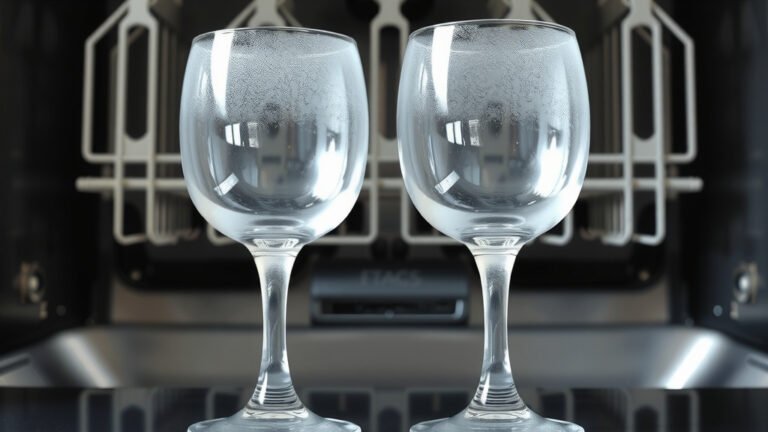
It’s important to set realistic expectations. While air drying is gentle and energy-efficient, it is generally slower than heated drying. Because it relies on natural evaporation and ambient air, it can take longer for dishes to become completely dry. Sometimes, you might even find a bit of moisture remaining on plastics or in the little crevices of glasses. This is perfectly normal for this setting. You might need to give items a quick wipe with a towel if you need them bone-dry immediately.
Factors Affecting Drying Time
Several factors can influence how long it takes for your dishes to air dry. The humidity level in your kitchen plays a big role. On a humid day, water will evaporate more slowly than on a dry day. The airflow in your kitchen also matters. If your kitchen is well-ventilated, it can help speed up the drying process. Additionally, the design of your dishwasher can impact it. Some models are better at facilitating air circulation than others. If your dishwasher has a “vent” or automatically cracks open the door slightly at the end of a cycle, it can significantly improve air drying performance.
Comparing Air Dry to Other Dishwasher Drying Methods
To fully appreciate air drying, let’s quickly look at how it stacks up against other common drying methods found in dishwashers. Understanding these differences can help you choose the best option for your needs.
| Drying Method | How it Works | Pros | Cons | Energy Usage |
|---|---|---|---|---|
| Air Dry | Uses room air and residual heat from rinse cycle. | Energy efficient, gentle on plastics, cost-effective. | Slower, dishes might not be completely dry. | Very Low |
| Heated Dry | Uses a heating element or hot air to evaporate water. | Fast, dishes are usually very dry. | Uses more energy, can warp plastics, higher cost. | High |
| Condensation Dry | Uses heat from the final rinse to heat the tub walls. Water evaporates and condenses on the cooler walls, then drains away. | More energy efficient than heated dry, good for plastics. | Can be slower than heated dry, not as effective in humid environments. | Medium |
| Fan Assist Dry | Uses a fan to circulate air, often combined with a heating element or condensation drying. | Can be faster and more effective than basic air dry. | Uses more energy than basic air dry, fan noise. | Medium to High |
Heated Dry vs. Air Dry
The most significant difference is the energy use. Heated dry actively uses electricity to create heat, which is fast but power-hungry. Air dry is patient, using what’s already there. If you’re in a rush or have a lot of dishes that need to be perfectly dry, heated dry might be your go-to. But if you’re looking to save energy and protect your plastics, air dry is the clear winner. We found that the time savings from heated dry are often minimal compared to the increased energy cost.
Condensation Dry and Its Differences
Condensation drying is a middle ground. It uses the heat from the hot rinse water to warm the inner walls of the dishwasher. Water then evaporates from your dishes and condenses on these cooler surfaces, trickling down to the drain. It’s more energy-efficient than a full heated dry and generally better for plastics than a strong heating element. However, its effectiveness can be reduced in very humid conditions. Air drying, while potentially slower, doesn’t rely as much on precise temperature differences within the tub.
Tips for Getting the Best Results with Air Dry
You can optimize the air dry process to get your dishes as dry as possible without using extra energy. It just takes a few smart adjustments and a little patience. Think of it as helping your dishwasher help you.
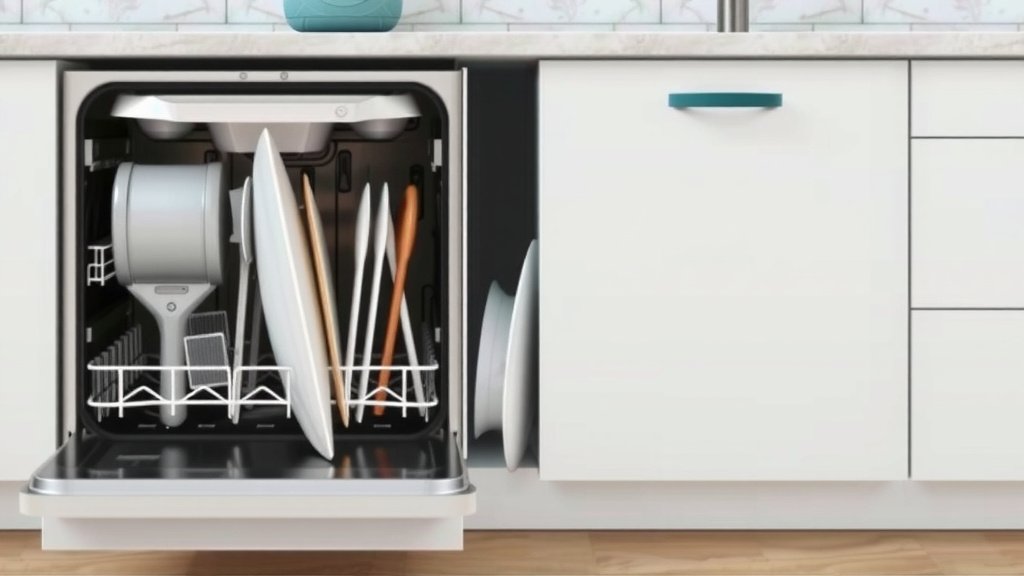
- Unload strategically: Always unload the bottom rack first. This prevents any lingering water from the top rack from dripping onto your clean dishes below.
- Ensure proper loading: Don’t overcrowd the dishwasher. Good airflow between dishes is key for effective drying, even with air dry.
- Consider kitchen humidity: If your kitchen is very humid, opening a window or using an exhaust fan might help improve drying.
- Wipe down stubborn drops: For any items that are still a bit damp, a quick wipe with a dry dish towel usually does the trick.
- Check your dishwasher’s features: Some dishwashers have specific “air dry” or “energy save” settings that might slightly vent the door. Consult your manual.
By following these simple tips, you can make the most of your dishwasher’s air dry setting. It’s a fantastic way to maintain clean dishes while being mindful of your energy consumption and the longevity of your kitchenware. It’s about finding that balance between efficiency and effectiveness.
Conclusion
Choosing the air dry setting on your dishwasher is a smart move for both your wallet and your dishes. You’ve learned that it uses natural room air and residual heat, skipping the energy-guzzling heating elements. This gentler method is excellent for protecting your plastics from warping and helps reduce your household’s carbon footprint. While it might take a little patience for dishes to become perfectly dry, the energy savings and dish protection are well worth it. For your next load, try selecting the air dry option and see the difference it makes!
Frequently Asked Questions
Does air dry really save energy compared to heated dry?
Yes, it absolutely does. Air drying uses no extra electricity for heating. Research shows the heating element is one of the biggest energy users in a dishwasher. By skipping that, you directly lower your energy consumption.
Will my dishes be completely dry with the air dry setting?
Usually, most dishes will be dry, especially hard surfaces like plates and glasses. You might find a little moisture on plastics or in cup crevices. This is normal for a passive drying method; a quick towel dry can handle any remaining dampness.
Is air dry safe for all my plastic dishes and containers?
Air dry is the safest option for plastics. Since it avoids high heat, it prevents warping, melting, or misshaping your plastic items. This makes it ideal for lids, storage containers, and other plastic kitchenware.
How can I speed up the air drying process if needed?
To help air drying along, ensure your kitchen has good airflow. You can also try opening a window slightly or using an exhaust fan if your kitchen feels humid. Proper loading with space between items also helps moisture escape faster.
Can I use air dry if my dishwasher doesn’t have a specific setting for it?
Some dishwashers allow you to disable the heated dry option. Check your user manual to see if you can turn off the heated dry cycle. If so, your dishwasher will likely default to a form of air drying using residual heat.