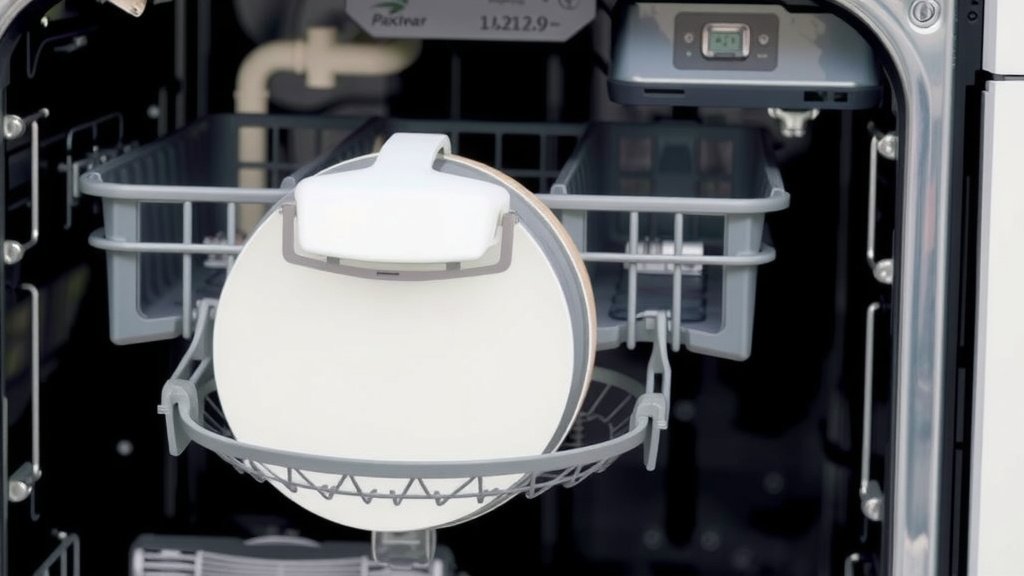
Dishwasher Not Draining Completely? Fixes & Tips
Your dishwasher leaving water behind is a common problem. This usually happens because of a clogged filter, drain hose, or pump. Don’t worry, it’s often a fix you can handle yourself without calling a repair person.
While it’s frustrating to see that puddle after a wash cycle, understanding the likely culprits can save you time and money. Many homeowners find relief by checking a few key components. We’ve found that a simple blockage is the most frequent offender.
- Check your filter for debris.
- Inspect the drain hose for kinks.
- Look for obstructions in the air gap or garbage disposal.
- Ensure the pump is working correctly.
- Know when it’s time to call a pro.
Let’s walk through the most common reasons for standing water in your dishwasher and how to clear them up so you can get back to sparkling dishes.
Why Your Dishwasher Might Be Leaving Water Behind
Seeing a pool of water at the bottom of your dishwasher after it finishes is a common annoyance. You expect clean dishes, not a miniature lake! This usually means something is blocking the water’s exit. It’s often a simple fix that you can handle yourself. Let’s figure out why your dishwasher isn’t draining properly.
The Usual Suspects: Clogs and Obstructions
The most frequent reason for standing water is a blockage somewhere in the draining system. Think of it like a traffic jam for water. Your dishwasher has a specific path to send dirty water out. If any part of that path is blocked, the water has nowhere to go.
Your Dishwasher’s Filter: The First Line of Defense (and Offense!)
Your dishwasher has a filter designed to catch food particles and debris. This keeps them from getting into the pump or drain hose. Over time, this filter can get quite clogged. When it’s full, water can’t pass through it easily. This is often the easiest fix you can try.
Locating your filter usually involves checking the bottom of the dishwasher tub. Many models have a cylindrical filter that you can twist and pull out. Sometimes there’s a flat mesh screen filter too. Always consult your dishwasher’s manual if you’re unsure. Cleaning it is simple: rinse it under running water and use a soft brush to remove stubborn bits. We found that a good scrub with an old toothbrush works wonders.
The Drain Hose: A Kink in the System
The drain hose carries water from the dishwasher to your sink’s drain or garbage disposal. If this hose gets kinked or bent sharply, it creates a dam. Water can’t flow freely through a bent hose. This is especially common with newer installations or if the dishwasher has been moved.
You’ll likely need to pull the dishwasher out slightly to inspect the entire length of the drain hose. Check for any obvious kinks or crushed sections. If you find one, gently straighten it out. Make sure the hose has enough slack and isn’t being pinched by anything. Ensuring proper hose routing is key to preventing future drainage issues.
Beyond the Hose: Where Else Can Water Hide?
If the filter is clean and the hose isn’t kinked, you need to look further down the line. There are a few other common spots where clogs can occur, often related to your home’s plumbing.
The Air Gap: A Tiny Tower of Trouble
Many modern homes have an air gap. This is a small fixture, usually on your sink or countertop, with a cap. Its purpose is to prevent dirty sink water from siphoning back into your dishwasher. The air gap can also become clogged with food debris.
To check it, simply lift off the decorative cap. Inside, you’ll see a smaller plastic part. Remove this part and clean out any gunk you find. A small brush or even a paperclip can help dislodge stubborn debris. We found that cleaning the air gap regularly can prevent a lot of headaches.
The Garbage Disposal Connection: A Common Culprit
Your dishwasher likely drains into your garbage disposal. If your garbage disposal is clogged or has a blockage itself, it will prevent your dishwasher from draining. This is a very common scenario.
First, ensure your garbage disposal is running freely. Run it with cold water for about 30 seconds to clear any existing debris. If you recently had the disposal installed or replaced, there might be a plug in the dishwasher’s drain connection port that needs to be knocked out. This is a small knockout plug that the installer needs to remove.
Important Note: Always turn off the power to the dishwasher and the garbage disposal at the circuit breaker before inspecting or working on these components. Safety first!
When to Look Inside the Machine
If you’ve checked all the external connections and still have water, the problem might be within the dishwasher itself. This can involve the pump or internal hoses.
The Drain Pump: The Heart of the Drainage System
The drain pump is what forces water out of your dishwasher. If it’s blocked by a foreign object like a piece of glass or plastic, it won’t work properly. Sometimes, the pump itself can fail.
Accessing the pump usually requires removing the lower spray arm and the filter assembly. You might then see a cover or impeller that can be removed. Be prepared for some water to spill out when you open this area. Carefully check for any obstructions around the impeller. If you find something, remove it gently. If the impeller is damaged or the pump hums but doesn’t spin, it may need replacement.
Many repair guides suggest checking this only if you’re comfortable working inside appliances. If not, it’s time to call a professional.
Troubleshooting Checklist for a Draining Dishwasher
Ready to tackle that standing water? Here’s a quick checklist to guide you through the most common fixes:
- Check the filter: Remove and clean any food debris or gunk.
- Inspect the drain hose: Look for kinks or bends that block water flow.
- Examine the air gap: Lift the cap and clear out any obstructions.
- Test the garbage disposal: Run it with cold water to ensure it’s clear.
- Look for internal blockages: If comfortable, check the drain pump for debris.
When It’s Time to Call a Professional
While many dishwasher drainage issues are DIY-friendly, some problems are more complex. If you’ve gone through the steps above and your dishwasher still isn’t draining, it might be time to call in an expert. Issues with the pump motor, internal seals, or complex wiring often require specialized knowledge and tools.
Don’t hesitate to contact a qualified appliance repair technician. They can quickly diagnose persistent problems and perform repairs safely. Sometimes, the cost of a repair might lead you to consider replacing an older appliance, but it’s always good to get a professional opinion.
Conclusion
Seeing water left in your dishwasher can be a real hassle, but you’ve learned it’s usually not a cause for panic. Most often, a simple clogged filter or drain hose is the culprit. By systematically checking these common areas, you can often fix the problem yourself. Remember to always prioritize safety, especially when working near electrical components or plumbing.
If you’ve tackled the filter, hose, air gap, and disposal without success, it might be time to call a professional. Don’t let standing water keep you from clean dishes. Give these steps a try, and if needed, seek expert help to get your dishwasher back in working order.
Frequently Asked Questions
How often should I clean my dishwasher filter?
We’ve found that cleaning your dishwasher filter monthly is a good practice. This helps prevent food debris buildup that can lead to drainage issues. If you notice your dishwasher isn’t draining well, cleaning the filter is your first and easiest step.
Can a clogged garbage disposal cause my dishwasher not to drain?
Yes, absolutely. If your garbage disposal is clogged or hasn’t been run recently, it can prevent water from backing up into your dishwasher. Always run cold water through your disposal after using it and especially before running the dishwasher.
My dishwasher is draining slowly, but not completely stopped. What could it be?
Slow draining often indicates a partial blockage. This could be in the filter, drain hose, or air gap. You might also have some debris caught in the drain pump impeller. Work through the troubleshooting steps methodically to find the restricted flow.
What if my dishwasher makes a grinding noise when it tries to drain?
A grinding noise usually points to an issue with the drain pump. It could mean something hard, like glass or a small piece of bone, is caught in the pump impeller. You may need to carefully inspect and clear the pump area.
Is it safe to clean the drain pump myself?
Cleaning the drain pump can be a DIY task if you’re comfortable working inside your appliance. However, always disconnect the power supply first. If you’re unsure or find damage, it’s best to call a qualified appliance repair technician.