
Dishwasher Safe Plastic: What You Need to Know
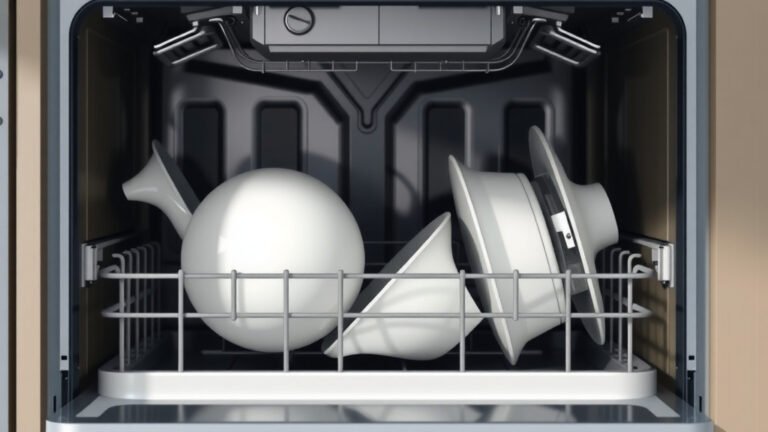
Yes, you can put many plastic items in the dishwasher, but not all of them. To avoid warping or melting, always check for a “dishwasher-safe” label or a symbol indicating it’s okay. Using the top rack is often the safest bet for plastics.
It’s a common question because we all want to save time. High heat can be the enemy of certain plastics, leading to misshapen items. We found that knowing which plastics are safe can protect your kitchenware and your dishwasher.
- Check for a dishwasher-safe label first.
- Always use the top rack for plastics.
- Avoid placing plastics near the heating element.
- Be wary of very thin or cheap plastic items.
- When in doubt, hand wash it.
Let’s get into the details so you can confidently load your dishwasher. We’ll cover what to look for and what to steer clear of.
Your Guide to Dishwasher-Safe Plastics
So, can you toss your plastic containers and utensils into the dishwasher without a second thought? The short answer is: sometimes. It really depends on the type of plastic and a few other factors. We’ve done the digging to help you make the best choice for your kitchenware and your machine.
Many of us dread hand-washing. The dishwasher feels like a magic box. But a little knowledge can go a long way in preventing a melty mess. Let’s break down what you need to know.
Understanding Plastic Types and Dishwasher Heat
The main culprit when it comes to plastic in the dishwasher is heat. Dishwashers can reach temperatures of 140-160°F (60-71°C). Standard plastic, especially cheaper or thinner varieties, can warp, melt, or even leach chemicals when exposed to this heat.
Why Heat is the Enemy
Think of plastic like a sensitive sculpture. High temperatures can literally reshape it. This is why items designed to withstand high heat are marked as “dishwasher-safe.” They are made from specific plastic compounds that can handle the dishwasher’s cycle (Mayo Clinic).
The heating element in most dishwashers is usually at the bottom. This is a critical point we’ll revisit. Placing plastic directly above this element is asking for trouble. It’s like holding your sculpture too close to a furnace.
Identifying Dishwasher-Safe Plastics
The most reliable indicator is a label or symbol. Look for phrases like “Dishwasher Safe” or a picture of a dishwasher with water droplets. Sometimes, you’ll see symbols that look like plates or glasses being sprayed with water.
Many reusable plastic food containers are designed with dishwashers in mind. These often bear the tell-tale markings. You might also find that higher-quality plastics are more resilient. We found that checking the manufacturer’s instructions is always a good first step.
The Top Rack: Your Plastic’s Best Friend
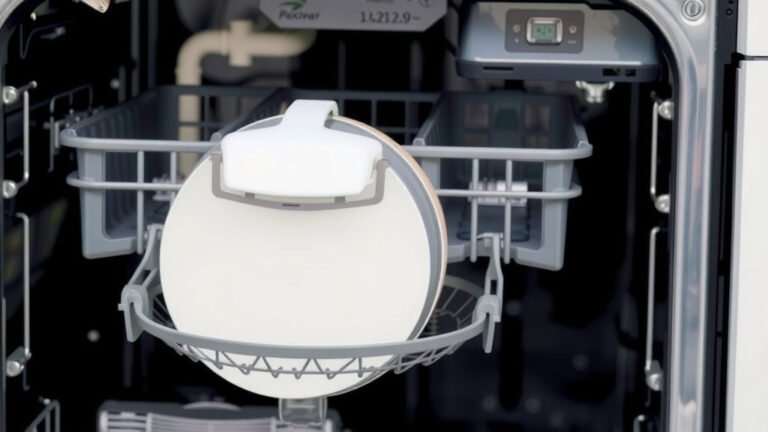
If a plastic item is deemed dishwasher-safe, the top rack is generally its safest location. Why? Because the top rack is farther away from the direct heat of the heating element at the bottom of the dishwasher.
The spray arms are also often positioned more gently on the top rack. This means your delicate plastic items are less likely to be tossed around violently. It’s a cooler, calmer zone for your plastics.
Why the Bottom Rack is Risky
The bottom rack is where the real heat action happens. The heating element is closest here. If you place plastic items on the bottom rack, especially directly over the element, they are much more prone to melting or warping.
Even if an item is technically dishwasher-safe, putting it on the bottom rack is taking an unnecessary risk. It’s like sending a beginner skier down the steepest black diamond run. You might get lucky, but it’s not advisable.
What Plastics Should You Avoid?
Not all plastics are created equal. Some are simply not built for the dishwasher environment. When in doubt, it’s always best to err on the side of caution.
Thin or Cheap Plastic Items
Those flimsy plastic takeout containers or very thin plastic cups? They are usually a definite no for the dishwasher. They lack the structural integrity to withstand the heat and water pressure.
We’ve all had those flimsy containers warp into unrecognizable shapes. They can also crack or break more easily. Hand washing is your safest bet for these items to prolong their life.
Certain Reusable Bags and Wraps
While some reusable food storage bags are marketed as dishwasher-safe, others are not. Always check the packaging carefully. Many plastic wrap rolls and aluminum foil boxes are also not designed for dishwashers.
Some very thin silicone bags can also be tricky. While silicone is generally heat-resistant, the thinness can make them susceptible to damage. If the bag feels flimsy, it’s probably best to stick to hand washing (FDA).
Items with Metal Components or Decorations
Plastic items that have metal parts, like some reusable water bottles with metal bases or plastic lids with metal screws, should generally be hand-washed. The metal can rust or damage the dishwasher.
Similarly, plastic items with painted decorations or decals can fade or peel off in the high heat and harsh detergents of a dishwasher. If the design looks like it could easily scratch off, skip the dishwasher.
A Quick Checklist for Dishwasher-Safe Plastics
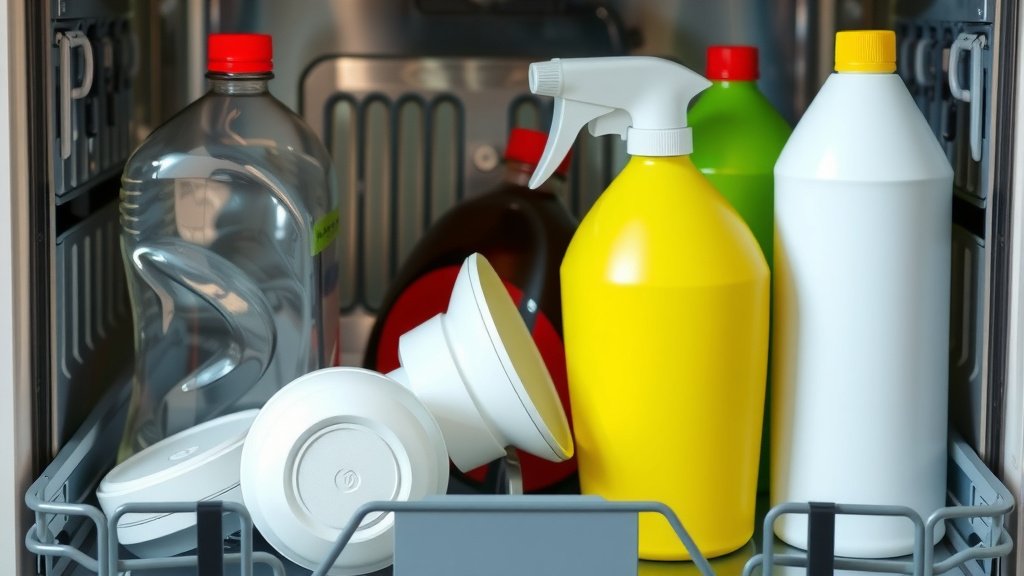
To make it super simple, here’s a quick checklist to run through before you load:
- Is it labeled “Dishwasher Safe”? This is your golden ticket.
- Is it a sturdy, thicker plastic? Flimsy items are risky.
- Where will it sit? Always aim for the top rack.
- Is it near the heating element? Keep plastics away from the bottom.
- Does it have delicate designs or metal parts? If so, hand wash.
- When in doubt, what’s the safest option? Hand wash it!
Understanding Dishwasher Symbols
Dishwasher manufacturers and plastic producers often use symbols to communicate safety. Recognizing these can save you a lot of guesswork.
The Universal Symbol
The most common symbol is a square with circles inside, representing plates or dishes being sprayed with water. Sometimes, this symbol has a number (like “3” or “4”) inside, indicating the maximum temperature in Celsius. If you see this, your item is likely good to go.
What About Other Symbols?
You might also see symbols indicating microwave-safe, freezer-safe, or BPA-free. While these are helpful for food safety, they don’t always guarantee dishwasher safety. Always look for the specific dishwasher symbol or text.
Recycling Codes: A Common Misconception
Many people think the recycling number (1-7) on plastic containers tells them if it’s dishwasher safe. This is not true. The recycling code indicates the type of plastic resin used and its recyclability, not its heat resistance (EPA).
For example, plastic #5 (Polypropylene, or PP) is often dishwasher safe and heat resistant. However, plastic #3 (PVC) or #6 (Polystyrene) are generally not. Relying solely on the recycling number can lead to confusion and potential damage.
When Hand Washing is the Smarter Choice
Let’s be honest, sometimes the dishwasher just isn’t the right tool for the job. Hand washing is gentler and often preserves the life of your plastic items.
Protecting Your Investment
If you’ve invested in nice plasticware, like durable outdoor dishes or high-quality food storage, hand washing can help maintain their appearance and integrity for longer. It prevents scratches and maintains vibrant colors.
We found that for items with intricate designs or those that are essential for your daily routine, a little extra care goes a long way. Think of it as a spa treatment for your kitchenware!
Health and Safety Considerations
While many plastics are now BPA-free, older plastics or those not specifically designed for high heat can still pose risks. When heated, some plastics may leach chemicals into your food or onto your dishes. This is a key reason why many health organizations recommend checking for dishwasher safety (CDC).
If you’re concerned about potential chemical leaching, always opt for hand washing with mild soap and water. It’s a simple way to ensure your food preparation and storage items remain as safe as possible.
Conclusion
Deciding if plastic belongs in your dishwasher boils down to a few simple checks. You’ve learned to look for that crucial “dishwasher-safe” label. Remember, the top rack is your plastic’s safest zone, keeping it away from direct heat. For thinner, cheaper plastics, or items with decorations, a quick hand wash is the smart move to protect them. By following these tips, you can confidently streamline your kitchen cleanup and keep your plasticware in great shape.
Frequently Asked Questions
Can I put all my reusable plastic food containers in the dishwasher?
Most sturdy, reusable plastic food containers are designed to be dishwasher-safe. Always check for the “dishwasher-safe” label or symbol first. If it’s present, you can typically place them on the top rack. If you don’t see a label, it’s safer to hand wash.
What happens if I put non-dishwasher-safe plastic in the dishwasher?
Putting plastic that isn’t designed for the dishwasher can lead to warping, melting, or even cracking. High heat and water pressure can deform the plastic, making it unusable. In some cases, it might even leach chemicals.
Are plastic baby bottles safe to put in the dishwasher?
Many plastic baby bottles are indeed dishwasher-safe, but you must check the packaging or the bottle itself for confirmation. Look for the “dishwasher-safe” symbol. Even then, it’s often recommended to place them on the top rack to avoid excessive heat.
Does the recycling number on plastic tell me if it’s dishwasher safe?
No, the recycling number (like #1, #5, etc.) does not indicate dishwasher safety. This number refers to the type of plastic resin and its recyclability, not its heat resistance. You must look for a specific “dishwasher-safe” label or symbol.
Is it okay to wash plastic cutting boards in the dishwasher?
Many plastic cutting boards are dishwasher-safe, especially thicker, higher-quality ones. They usually carry the “dishwasher-safe” marking. If your board is thin or shows signs of wear, hand washing might be a better option to prevent damage.