Dishwasher Not Draining Why It Happens and Fixes
Your dishwasher not draining likely means there’s a clog in the filter, hose, or pump. This is often caused by food debris or a buildup of grease. Don’t worry, it’s usually a fixable problem you can handle yourself with a few simple steps.
When water sits in your dishwasher, it’s not just annoying; it means the cycle couldn’t finish properly. We found that common culprits include a blocked drain hose or a malfunctioning drain pump. Many experts suggest checking these areas first for the quickest solution.
- Common causes: Clogged filter, hose, or pump.
- Food debris and grease are frequent offenders.
- Check the drain hose and pump for blockages.
- DIY fixes are often possible.
Let’s walk through the most common reasons your dishwasher isn’t draining and how to get it working again.
Troubleshooting Your Dishwasher’s Draining Issues
Is your dishwasher leaving you with a pool of dirty water? It’s a common problem, and thankfully, often a simple fix. We’ve found that most dishwasher draining issues stem from a few key areas that you can usually tackle yourself. Let’s get that machine draining properly again!
Common Causes for a Dishwasher Not Draining
The Culprit: A Clogged Filter
This is often the easiest thing to check and the most common reason your dishwasher won’t drain. Think of your dishwasher’s filter like a tiny garbage disposal for food scraps. If it gets clogged, water can’t escape. We found that regular cleaning can prevent most draining problems.
Where to Find Your Filter
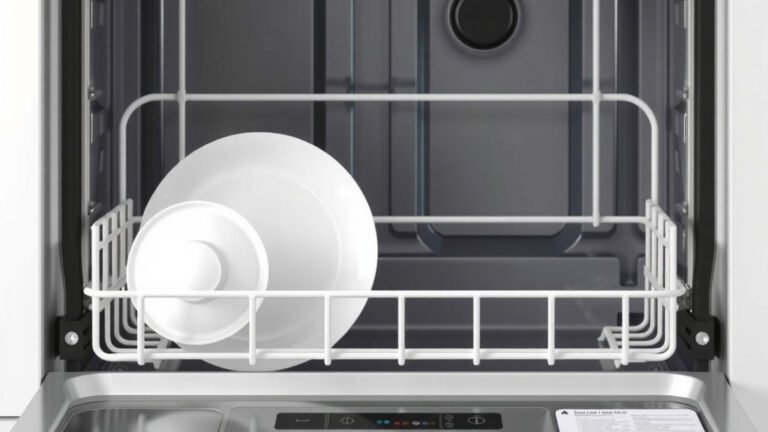
Your filter is usually located at the bottom of the dishwasher tub. You might need to remove the lower rack to get a good look. Consult your dishwasher’s manual if you’re unsure of its exact location. Many models have a simple twist-off or lift-out filter.
How to Clean the Filter
Once you locate it, carefully remove the filter. You’ll likely see food particles, grease, and maybe even small bits of broken glass. Rinse it under hot running water. For tougher grime, you can use an old toothbrush to gently scrub away any buildup. Make sure it’s completely clean before putting it back. Many experts recommend cleaning this filter every 1-3 months, depending on your usage.
Blockages in the Drain Hose
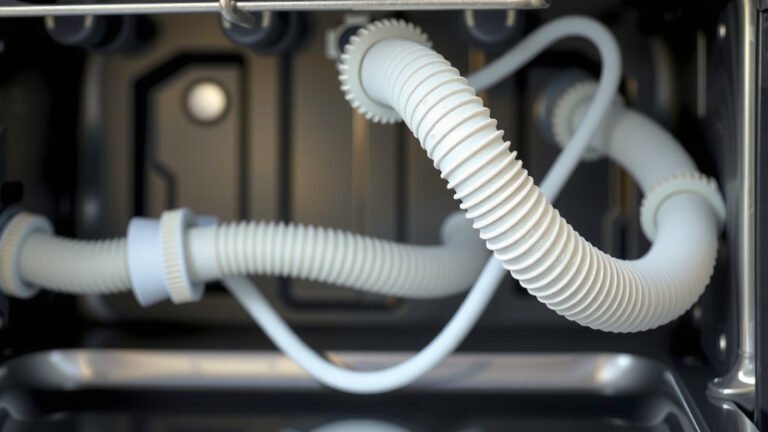
The drain hose is the flexible tube that carries water from your dishwasher to your sink drain or garbage disposal. If this hose gets kinked or clogged, water has nowhere to go. We’ve seen this happen frequently.
Checking for Kinks
Sometimes, the hose can get squashed behind the dishwasher. You might need to gently pull the appliance out a few inches to check if the hose is bent or crimped. Ensure it has a clear path and isn’t pinched by anything. Be careful not to pull the dishwasher too far out, as you could damage the water supply line or electrical connections.
Clearing Hose Obstructions
If the hose isn’t kinked, there might be a clog inside. You can usually disconnect the hose from the dishwasher end (and sometimes the sink end, depending on your setup). Place a bucket or towels underneath to catch any residual water. Try to look through the hose or gently use a flexible tool (like a plumber’s snake or even a stiff wire hanger) to dislodge any debris. Many guidelines suggest flushing the hose with water after clearing any blockage.
Issues with the Air Gap (If You Have One)
Some kitchen sinks have an air gap installed. This is a small, cylindrical component, often made of plastic or chrome, that sits on your sink. Its job is to prevent dirty sink water from flowing back into the dishwasher. If this gets clogged, it can stop your dishwasher from draining.
Inspecting and Cleaning the Air Gap
Carefully remove the decorative cap of the air gap. You’ll see a smaller plastic cap underneath. Remove that, and you’ll find the pathway for water. Check for any food particles or gunk. You can often clear this with a small brush or by flushing it with water. We found that a clogged air gap is a surprisingly common problem.
The Garbage Disposal Connection
Many dishwashers connect to the garbage disposal for drainage. If your garbage disposal is clogged or if the knockout plug wasn’t removed when the disposal was installed, your dishwasher won’t drain. This is a very important point that many people overlook.
Checking the Garbage Disposal
First, ensure your garbage disposal is clear and running properly. If it’s humming but not grinding, it might be jammed. Try running the disposal with cold water to clear any immediate blockages. If you recently installed a new garbage disposal or dishwasher, you’ll need to check if the installer removed the small plastic knockout plug inside the dishwasher drain port of the disposal. You might need to disconnect the dishwasher hose from the disposal and check inside the disposal’s inlet nipple. A small piece of plastic or metal, this plug is often forgotten.
The Drain Pump: A Potential Bottleneck
The drain pump is responsible for forcing water out of your dishwasher and into the drain system. If this pump is clogged with debris or has malfunctioned, it won’t do its job. This is a bit more involved to check, but still manageable.
Accessing and Inspecting the Drain Pump
You’ll typically need to access the pump from the bottom of the dishwasher. This may involve removing a front access panel. Once you can see the pump, check its impeller (the part that spins) for any obstructions like glass shards, plastic pieces, or even small bones. If you find something, carefully remove it. Many experts suggest checking the pump’s inlet for debris as well. Sometimes, a foreign object can get lodged here, preventing the pump from working efficiently.
Faulty Check Valve
Some dishwashers have a check valve that prevents dirty water from flowing back into the dishwasher after it has drained. If this valve gets stuck or is damaged, it can impede drainage. While less common than a clogged filter or hose, it’s worth considering if other solutions haven’t worked.
Understanding the Check Valve’s Role
The check valve is usually located near the drain pump. Its purpose is simple: it’s a one-way gate for water. If this gate is stuck shut or partially blocked, water struggles to get past it. Cleaning or replacing a faulty check valve is often a job for a service technician, but some DIYers can tackle it with the right guidance and tools. We found that if the other common culprits are ruled out, this is a likely candidate.
Quick Checklist to Get Your Dishwasher Draining Again
Here’s a handy checklist to help you systematically diagnose the problem:
- Check the filter for food debris and clean it thoroughly.
- Ensure the drain hose isn’t kinked or squashed.
- Inspect the air gap (if applicable) for clogs.
- Verify the garbage disposal is clear and the knockout plug is removed.
- Look for obvious obstructions near the drain pump.
- If unsure, consult your dishwasher’s manual or seek professional help.
Conclusion
It can be frustrating when your dishwasher leaves standing water, but as we’ve seen, most draining issues stem from simple clogs or kinks. You’ve learned to check your filter, drain hose, air gap, and even the garbage disposal connection. By systematically going through these common problem areas, you can often fix the issue yourself and get back to sparkling dishes without a service call. If you’ve tried these steps and your dishwasher still isn’t draining, it might be time to consult your manual for more advanced troubleshooting or contact a qualified appliance repair technician.
Frequently Asked Questions
How often should I clean my dishwasher filter?
We found that cleaning your dishwasher filter every 1-3 months is a good general guideline. If you notice your dishwasher is starting to drain slowly, it’s a good sign to check and clean the filter sooner. This simple maintenance can prevent many draining problems.
Can my garbage disposal cause my dishwasher not to drain?
Yes, absolutely. If your garbage disposal is clogged, water can’t flow out, and neither can your dishwasher’s water. Also, if a new garbage disposal was recently installed, the installer may have forgotten to remove the small knockout plug in the disposal’s dishwasher connection port, which will block drainage.
What if my drain hose is really long?
Longer drain hoses can sometimes be more prone to kinking or developing internal clogs. When checking the hose, ensure it has a smooth, gradual loop up to the connection point and isn’t bent sharply or pinched anywhere behind the unit. If you suspect a clog inside, you might need a flexible tool to clear it.
My dishwasher still isn’t draining after I cleaned everything. What’s next?
If you’ve thoroughly cleaned the filter, checked for hose kinks, and verified the garbage disposal and air gap are clear, the issue might be with the drain pump itself or the check valve. These components are a bit more complex to access and may require professional attention if you’re not comfortable with appliance repair.
Is it okay to run my dishwasher if it’s not draining?
Running your dishwasher with standing water isn’t recommended. It can lead to odors, potentially damage the pump over time, and the new wash cycle won’t effectively clean dishes. It’s best to resolve the draining issue before running another full cycle.