Fix Dishwasher Leaking from Bottom of Door
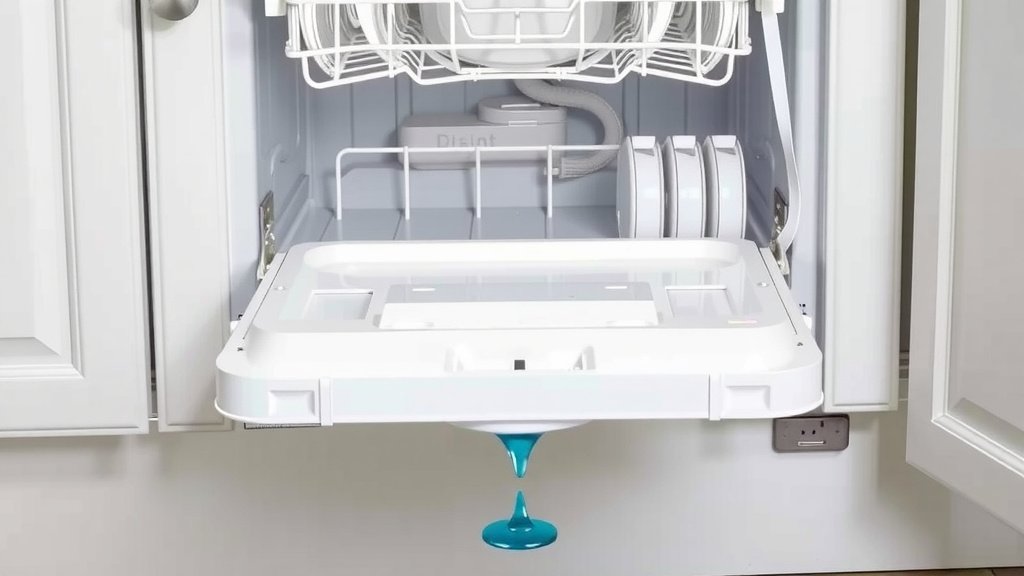
A dishwasher leaking from the bottom of the door usually means there’s a A dishwasher leaking from the bottom of the door usually means there’s a problem with the door seal or a clogged spray arm.problem with the door seal or a clogged spray arm. You might also have an issue with over-sudsing or a faulty float switch. Don’t worry, most of these fixes are pretty straightforward!
It’s a common household annoyance, right? That puddle forming on your kitchen floor is never a welcome sight. We’ve found that understanding the common culprits can help you diagnose the leak quickly and get your dishwasher back to its job without soaking your socks.
- Check the door seal for damage or debris.
- Ensure spray arms are clear and spinning freely.
- Use the correct amount of detergent to avoid suds.
- Inspect the float switch for obstructions.
- Look for cracks or leaks in the tub itself.
Let’s walk through the most common reasons your dishwasher might be staging a water show and how you can stop it.
So, you’ve discovered a little puddle after your dishwasher cycle. It’s a common problem, and usually, it’s not a sign of a major disaster. Let’s figure out what’s going on and how to fix it.
Troubleshooting Your Leaky Dishwasher Door
When water appears at the bottom of your dishwasher door, it often points to a few key areas. We’ll break down the most likely causes and how you can tackle them.
Checking the Door Seal (Gasket)
This is often the main culprit. The rubber or vinyl gasket around the door keeps water inside. If it’s dirty, damaged, or loose, water can escape.
Inspect for Debris and Damage
Open your dishwasher door and run your finger along the entire gasket. Look for any bits of food, labels, or plastic stuck to it. These can prevent a tight seal. Also, check for any tears, nicks, or areas where the gasket might be pulling away from the door frame. A damaged gasket needs to be replaced.
Cleaning the Gasket
If you find debris, it’s time for a good cleaning. Use a damp cloth with some mild dish soap or a baking soda paste. Gently wipe down the entire gasket, ensuring you get into all the nooks and crannies. Rinse the cloth and wipe away any soap residue. Make sure the gasket is completely dry before you run another cycle. This simple step often solves the problem.
When to Replace the Gasket
If you notice cracks, hardening, or significant wear, it’s time for a new gasket. You can usually find replacement parts for your specific dishwasher model online or at appliance parts stores. Replacing it is generally a DIY-friendly job.
The Sprayer Arm Dilemma
Your dishwasher has sprayer arms that spin and blast water. If these are blocked or can’t spin freely, the water might not be directed correctly. This can cause water to spray outwards, sometimes right out the bottom of the door.
Are the Spray Arms Clogged?
The small holes in the sprayer arms can get clogged with food particles or mineral deposits. If water can’t flow through them properly, the arm might not spin evenly. This can lead to uneven water distribution.
How to Clean Your Spray Arms
First, locate the spray arms. Most dishwashers have one at the bottom and sometimes one in the middle. You can usually twist or pull them off. Check the holes for any blockages. You can use a toothpick, a small piece of wire, or a paperclip to gently clear them. If they seem heavily mineralized, soaking them in vinegar might help. After cleaning, reattach them securely. Make sure they spin freely by hand.
Ensuring Free Rotation
Even if the holes are clear, something might be blocking the arms from spinning. Check the dishwasher racks, utensils, or anything else that might be too close or hanging down. Sometimes, a large pot or baking sheet can get in the way. Ensure nothing interferes with the arms’ rotation.
The Suds Situation: Too Much of a Good Thing
Dishwashers are designed for specific detergents. Using regular dish soap or too much dishwasher detergent can create an excessive amount of suds. These suds can overflow the tub and leak out the bottom of the door.
Why Suds Cause Leaks
Dishwasher detergent is formulated to create minimal suds. Regular dish soap, on the other hand, is designed to create lots of foam. When these suds build up, they can push past the door seal, just like water would. It’s a foamy flood!
Using the Right Detergent
Always use detergent specifically made for automatic dishwashers. Never use liquid dish soap meant for handwashing. Check your dishwasher’s manual for the recommended type and amount of detergent. Many experts recommend using only what’s recommended for your model (Consumer Reports).
What to Do About Excess Suds
If you find your dishwasher is full of foam, turn it off immediately. Open the door carefully (beware of suds!) and try to absorb some of the foam with towels. Let it sit for a while to dissipate. For future washes, use less detergent. You might need to run a rinse cycle with no detergent to clear out residual suds.
The Float Switch: Your Dishwasher’s Water Level Guardian
Your dishwasher has a float switch that monitors the water level inside. If this switch is stuck or malfunctioning, the dishwasher might overfill, leading to leaks. Think of it as a toilet’s float ball, but for your dishwasher.
Locating and Inspecting the Float Switch
The float switch is usually a small, plastic cup or dome located at the bottom of the dishwasher tub. It’s connected to a mechanism that tells the machine when to stop filling. Check if it moves up and down freely. Sometimes food debris or mineral buildup can prevent it from rising properly.
Clearing Obstructions
Gently lift the float and move it around to dislodge any debris. You can also clean around it with a damp cloth. Ensure there’s nothing physically preventing it from moving.
When the Float Switch Might Be Faulty
If cleaning doesn’t help, the float switch itself might be damaged or its mechanism broken. In this case, it would need to be replaced. This is a repair you might consider calling a professional for, depending on your comfort level with appliance repair.
Cracks in the Dishwasher Tub
While less common, it’s possible for the dishwasher tub itself to develop a crack. This is more likely in older machines or if the dishwasher has experienced a hard impact.
Visual Inspection for Leaks
A thorough inspection of the entire tub is necessary. Shine a flashlight around the inside and outside of the tub. Look for any signs of water staining that might indicate a slow leak or visible cracks. You might need to pull the dishwasher out from under the counter for a better look at the base and sides.
Repairing or Replacing the Tub
Repairing a cracked tub is often not feasible or cost-effective. If you find a crack, it usually means the dishwasher needs to be replaced. This is a more serious issue and may warrant professional assessment before making a final decision.
A Quick Checklist to Stop the Drip
Let’s summarize the quick fixes you can try:
- Check the door seal for any obstructions or damage.
- Clean the door seal thoroughly with a damp cloth.
- Ensure spray arms are free of debris and spin easily.
- Use only dishwasher-specific detergent and the correct amount.
- Test the float switch to ensure it moves freely.
- Look for any obvious cracks in the tub.
Conclusion
It’s frustrating to find your dishwasher leaking from the bottom of the door, but you’ve now learned the most common reasons why. We’ve covered how a dirty or damaged door seal, clogged spray arms, too many suds, or a stuck float switch can all cause puddles. You also know to keep an eye out for potential cracks in the tub itself. Most of these issues are manageable with a little DIY effort. Your next step is to perform a quick inspection based on what you’ve learned. Chances are, a simple cleaning or adjustment will get your dishwasher back to working perfectly without soaking your floor!
Frequently Asked Questions
How often should I clean my dishwasher door seal?
We recommend inspecting and wiping down your dishwasher’s door seal at least once a month. Food particles and detergent residue can easily get trapped there. This regular cleaning helps ensure a tight seal and prevents leaks.
Can I use regular dish soap in my dishwasher?
No, you should never use regular dish soap in your dishwasher. It creates far too many suds, which can cause the dishwasher to overflow and leak. Always use detergent specifically designed for automatic dishwashers.
My spray arms aren’t spinning. What’s wrong?
If your spray arms aren’t spinning, they might be blocked by dishes or utensils. Carefully check that nothing is obstructing their path. The holes in the spray arms can also get clogged with food debris, preventing them from spinning freely.
What is the float switch and why is it important?
The float switch is a safety mechanism that tells your dishwasher when to stop filling with water. If it gets stuck or is obstructed by debris, the dishwasher could overfill, leading to leaks. It’s crucial for maintaining the correct water level.
Is it worth repairing a dishwasher with a cracked tub?
Generally, repairing a cracked dishwasher tub is not cost-effective. Tub replacement is a complex and expensive repair. If you discover a crack, it’s usually more practical to consider replacing the entire dishwasher.