Dishwasher Pod Residue: What’s Left Behind
Yes, dishwasher pods can sometimes leave residue, and it’s a common frustration for many households. This often happens due to **improper loading**, **water temperature issues**, or using the **wrong type of detergent**. We’ve looked into why this happens and how to avoid those annoying streaks and films on your clean dishes.
Understanding how dishwasher pods work is key to preventing residue. These convenient little packs contain concentrated detergent, rinse aid, and sometimes salt. When they don’t dissolve completely, they can leave behind a **chalky or slimy coating** on your glassware and plates. This can be particularly noticeable on **dark-colored items**.
- Dishwasher pods can leave residue if not used correctly.
- Common culprits include machine loading, water temp, and pod type.
- Residue can appear as a chalky film or slimy coating.
- Proper loading and maintenance prevent most pod residue issues.
Let’s walk through exactly why this happens and what you can do to get sparkling clean dishes every time.
Why Are My Dishes Still Cloudy After Using Pods?
It’s super frustrating, right? You load up your dishwasher, pop in a pod, and expect sparkling clean dishes. But instead, you find a cloudy film or even chunks of undissolved pod. We’ve all been there, wondering why those convenient little packets aren’t working their magic. Research and common user experiences show that a few key factors are usually at play.
Dishwasher pods are designed to dissolve and release their cleaning power during the wash cycle. When they don’t fully break down, the leftover detergent and inactive ingredients can cling to your dishes, leaving behind that unwelcome residue. Let’s break down the most common reasons this happens and how you can fix it.
Dishwasher Pod Problems: What’s Causing the Residue?
Many things can prevent a dishwasher pod from doing its job. Understanding these issues is the first step toward achieving that perfect shine.
Your Loading Technique Might Be Off
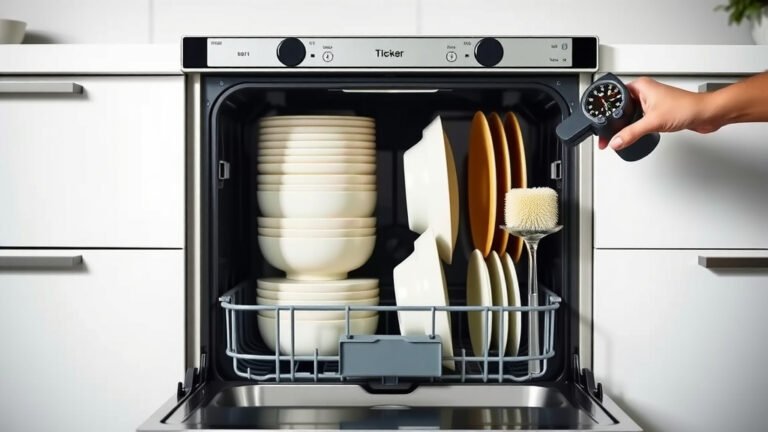
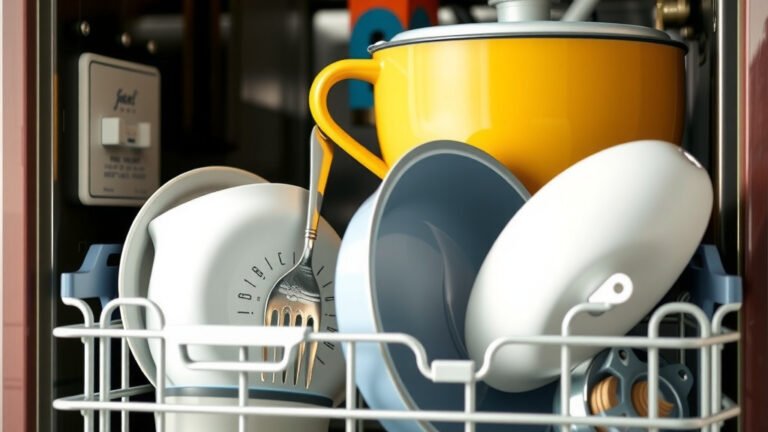
How you load your dishwasher has a huge impact on how well it cleans. Overcrowding is a major culprit. When dishes are packed too tightly, water and detergent can’t circulate freely. This means some items might not get hit by the spray, and the pod might not even reach its intended area.
The Impact of Water Flow
Think of your dishwasher as a car wash for dishes. If the spray arms are blocked by large items or if there’s simply no room for the water to get everywhere, the cleaning process suffers. This lack of circulation is especially problematic for pods, which need direct exposure to water to dissolve properly. We found that leaving even a little space between items can make a big difference.
Pod Placement Matters Too
Where you put the pod in your dishwasher is also important. Most manufacturers recommend placing pods in the main detergent dispenser compartment. Some people might be tempted to toss it directly into the bottom of the dishwasher. While this might seem like a good idea, it can sometimes lead to the pod not dissolving completely, especially if the cycle doesn’t get hot enough or if the pod lands in a pool of water.
Water Temperature: The Silent Saboteur
This is a big one that many people overlook. Dishwasher pods, like most automatic dishwashing detergents, need a certain water temperature to work effectively. They contain enzymes that activate in hot water. If your water heater is set too low, or if your pipes are long and lose heat, the water entering the dishwasher might not be hot enough.
The Ideal Water Temperature
Most appliance manufacturers and detergent makers recommend a water temperature of around 120°F to 140°F (49°C to 60°C). Anything significantly lower can prevent the pod from dissolving fully and the detergent from cleaning properly. We found that simply increasing your water heater’s temperature can solve many residue issues. Always check your water heater’s manual for safe operating temperatures.
Checking Your Water Temperature
How can you tell if your water is hot enough? You can test it. Run your hot water tap at the sink for a minute or two, then place a thermometer in the stream. If it’s below 120°F, you might have found your culprit. You can also run a short rinse cycle on your dishwasher and then immediately open it and test the water inside with a thermometer.
Hard Water Woes and Water Softeners
If you live in an area with hard water, you’re likely familiar with the mineral buildup it can leave behind. Hard water contains high levels of dissolved minerals like calcium and magnesium. These minerals can interfere with how detergent works and can contribute to that chalky residue you see on your dishes and inside your dishwasher. Understanding the causes of white residue is key to achieving spotless dishes.
How Hard Water Affects Pods
Hard water minerals can react with the cleaning agents in dishwasher pods. This reaction can cause them to precipitate out of the solution, creating that cloudy film. It’s like trying to mix oil and water; the minerals make it harder for the detergent to do its job effectively. We found that in hard water areas, using a rinse aid is almost always necessary.
Using a Rinse Aid and Salt
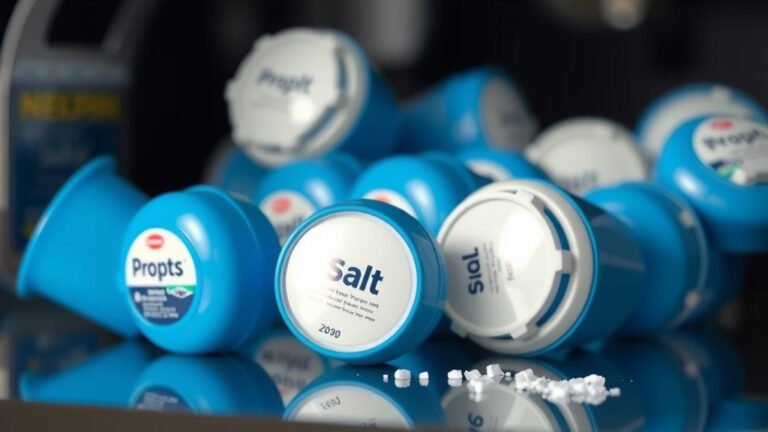
Many modern dishwashers have a compartment for rinse aid. Rinse aid helps water sheet off your dishes instead of beading up, which speeds up drying and reduces spotting. For very hard water, using a dishwasher salt designed to soften water can also be incredibly helpful. Some dishwashers have a specific salt dispenser for this purpose. Check your dishwasher manual to see if yours does.
Is Your Dishwasher Just Not Clean Enough?
It sounds counterintuitive, but a dirty dishwasher can actually make your dishes dirtier, or at least leave them with residue. Food particles, grease, and mineral deposits can build up over time inside your dishwasher. When this gunk recirculates during a wash cycle, it can redeposit onto your clean dishes.
The Importance of Regular Cleaning
Your dishwasher needs periodic cleaning to function optimally. This includes cleaning the filter, checking the spray arms for blockages, and running a cleaning cycle with a dishwasher cleaner or vinegar. A clogged filter is especially notorious for trapping food particles and preventing proper drainage, which can lead to residue.
Cleaning Your Dishwasher Filter
Most dishwashers have a filter located at the bottom of the tub. This filter catches larger food debris. If you don’t clean it regularly, it can become clogged. A clogged filter means water can’t drain properly, and food particles can end up on your dishes. Most filter systems are designed to be easily removed and rinsed under a faucet. We recommend checking and cleaning your filter at least once a month.
Are You Using the Right Pods for Your Water?
Not all dishwasher pods are created equal. Some are designed for specific water hardness levels, while others might be formulated differently. If you’ve tried everything else, it might be time to experiment with different brands or types of pods.
Pods for Hard Water
If you have hard water, look for pods that specifically state they are formulated for hard water or that include water-softening agents. These might perform better than standard pods. Many cleaning experts suggest that using a detergent with built-in rinse aid can also help combat residue from hard water.
What About the Pods Themselves?
Occasionally, the issue might be with the pod itself. If the pods have been stored in a damp environment, the outer film might start to break down or become sticky, preventing complete dissolution. Also, check the expiration date on the packaging. Over time, detergents can lose their effectiveness.
Here’s a quick checklist to help you troubleshoot pod residue:
- Ensure your dishwasher is not overloaded.
- Always place pods in the main dispenser.
- Check that your water heater is set to at least 120°F.
- Use a rinse aid, especially with hard water.
- Clean your dishwasher’s filter regularly.
- Try a different brand or type of pod if problems persist.
Conclusion
It’s clear that dishwasher pods leaving residue isn’t usually a mystery. Most of the time, it boils down to a few simple factors like how you load your machine or your home’s water temperature. We’ve seen that addressing issues like overcrowding, ensuring hot water, and maintaining a clean dishwasher can make a huge difference. If you’re still seeing that cloudy film, try a different type of pod designed for your water conditions. Take a moment this week to check your dishwasher filter and water temperature settings; these small steps can lead to much cleaner dishes.
Frequently Asked Questions
Can I use dishwasher pods if I have very hard water?
Yes, you can, but you might need to take extra steps. Hard water can make it harder for pods to dissolve properly and can cause mineral buildup. Look for pods specifically formulated for hard water, and always use a rinse aid to help prevent spotting and residue.
Do dishwasher pods expire and become less effective?
Dishwasher pods can lose effectiveness over time, especially if stored improperly. Check the expiration date on the packaging, and avoid storing them in damp or humid conditions, as this can cause the outer film to degrade.
Is it safe to touch dishwasher pods with wet hands?
It’s best to handle dishwasher pods with dry hands. The outer coating is designed to dissolve in water. Touching them with wet hands can cause them to start dissolving prematurely, which might reduce their cleaning power or make them sticky.
How often should I clean my dishwasher’s filter to prevent residue?
You should aim to clean your dishwasher’s filter at least once a month, or more often if you notice it’s heavily soiled. A clogged filter is a common cause of poor drainage and can lead to food particles redepositing on your dishes.
What’s the best way to load my dishwasher to avoid pod residue?
Avoid overcrowding your dishwasher so that water and detergent can circulate freely. Ensure that large items aren’t blocking the spray arms, and always place the dishwasher pod in the main dispenser compartment, not just tossed into the bottom of the tub.