Mastering the Dishwasher: Best Loading Techniques
The best way to load a dishwasher is to scrape off large food bits and then arrange dishes so water and detergent can reach all surfaces. Place larger, dirtier items like pots and pans on the bottom rack, facing the spray. Utensils should go in the basket with handles down, mixed up so they don’t nest. This approach ensures a sparkling clean load every time.
Proper loading is key to getting your dishes truly clean. Many people make the mistake of overcrowding or placing items incorrectly, leading to rewashing. We found that understanding the different zones of your dishwasher—top rack, bottom rack, and utensil basket—makes a huge difference. It’s all about allowing the water jets to Our guide to loading the dishwasher correctly can help you avoid common mistakes.hit every single surface effectively. Your dishwasher is smart, but it needs your help!
- Scrape, don’t rinse, large food particles.
- Bottom rack: Pots, pans, and plates facing the spray.
- Top rack: Glasses, bowls, and plastics.
- Utensil basket: Mix items with handles up and down.
- Don’t overcrowd; let water flow freely.
Let’s walk through exactly how to arrange everything for maximum cleaning power, from the top shelf to the very bottom.
Mastering Your Dishwasher Loading Technique
Loading your dishwasher correctly is a simple skill that pays off with spotless dishes. It’s not just about shoving things in; it’s about strategic placement. We found that understanding where each item goes makes a huge difference. This guide will show you the best way to arrange everything.
Understanding Your Dishwasher’s Zones
Your dishwasher has different areas designed for different types of items. Each zone has a specific purpose for optimal cleaning. Think of it as assigning tasks to different cleaning stations.
The Bottom Rack: Powerhouse Cleaning
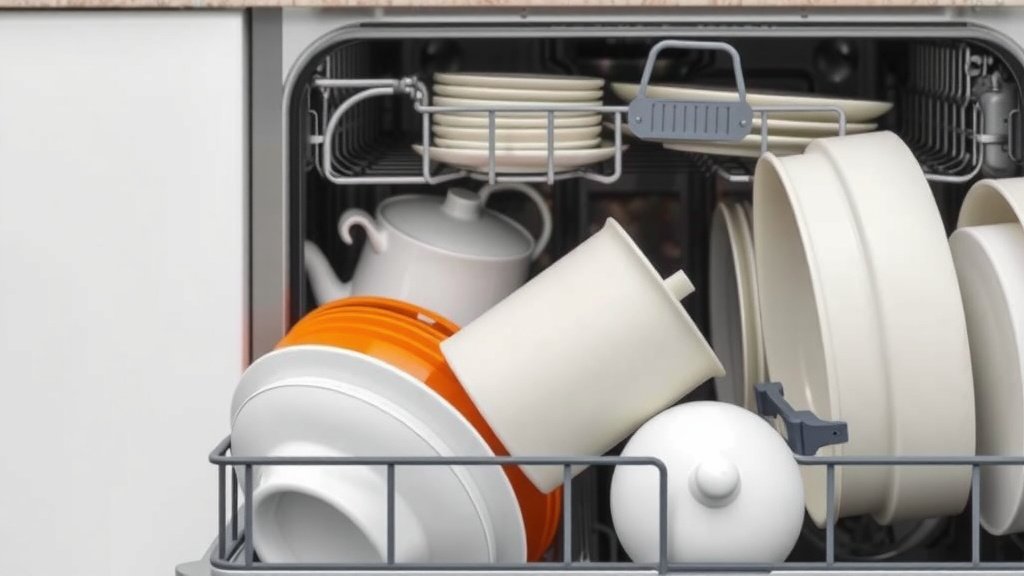
This is where the heavy lifting happens. The bottom rack faces the main spray arm, providing the most direct and powerful wash. It’s perfect for larger, tougher-to-clean items.
Plates and Bowls
Place your plates and larger bowls on the designated prongs. Make sure they face inward towards the center of the dishwasher. This allows the water jets to reach every part of their surface. Avoid letting them touch each other. If they nest, they won’t get clean.
Pots, Pans, and Bakeware
These are your bottom rack residents. Pots, pans, and casserole dishes usually have baked-on food. Position them facing downward and at an angle. This ensures water can flush out food debris. Make sure handles don’t block the spray arm from spinning. We found that a slight tilt helps immensely.
Larger Utensils
Larger utensils like spatulas or ladles can be laid flat on the bottom rack. Ensure they don’t fall through or block the spray arm. Keep them away from the door’s detergent dispenser.
The Top Rack: Gentle Care and Smaller Items
The top rack is your dishwasher’s delicate zone. It’s ideal for items that are more fragile or easily tipped over.
Glasses and Mugs
Glasses should be placed upside down, nestled between the tines. This prevents water from pooling in the bottom. Mugs and cups follow the same rule: open side down. Ensure they are not touching each other for a complete clean.
Small Bowls and Lids
Smaller bowls can fit on the top rack, angled downwards. Lids for containers also do well here, provided they are secured. Many dishwashers have fold-down shelves on the top rack. These are perfect for holding glasses or small, lightweight items steady.
Plastics and Dishwasher-Safe Items
Check if your plastic items are dishwasher-safe. If they are, the top rack is the best place for them. The heat on the bottom rack can sometimes warp plastics. Placing them higher up protects them from the intense heat.
The Utensil Basket: A Special Case
Your utensil basket is designed for forks, spoons, and knives. Proper loading here prevents nesting and ensures each piece gets cleaned.
Mixing Handles Up and Down
The best practice is to mix your utensils. Some handles should face up, and others down. This prevents them from sticking together, or “nesting.” If all the spoons face the same way, they might not get fully washed. We found that random placement is often best.
Separating Knives for Safety
For sharp knives, we recommend placing them with the handles pointing up. This is a safety measure. You don’t want to reach into the basket and accidentally cut yourself. This also helps them stay put.
Don’t Overcrowd the Basket
It’s tempting to cram everything in. However, overcrowding means water can’t reach all surfaces. If your basket is too full, consider hand-washing some items. A clean load is better than a half-clean one.
Things to Avoid for a Perfect Wash
Even with the best intentions, some common mistakes can ruin your dishwasher’s performance. Knowing these pitfalls helps you avoid them.
Scrape, Don’t Rinse (Mostly!)
You’ve probably heard conflicting advice on rinsing. Research and guidelines from manufacturers generally suggest scraping off large food particles only. Modern dishwashers and detergents are designed to handle small food bits. Excessive rinsing wastes water and can even make detergent less effective. Enzymes in detergent need something to latch onto. However, very sticky or burnt-on food might need a quick pre-scrub. Think of it as a quick flick, not a full bath.
Don’t Overload Your Machine
This is a big one. Overloading means water and detergent can’t circulate properly. Items get shielded from the spray jets. This leads to dirty dishes and wasted cycles. We found that leaving some space between items is essential for a truly clean wash. If your dishwasher looks like a Jenga tower, it’s probably too full.
Placement of Water-Sensitive Items
Items like wooden handles, cast iron, or certain plastics shouldn’t go in the dishwasher. Even if labeled dishwasher-safe, some items can degrade over time. Always check labels. When in doubt, hand-wash it. This preserves your nice cookware and utensils.
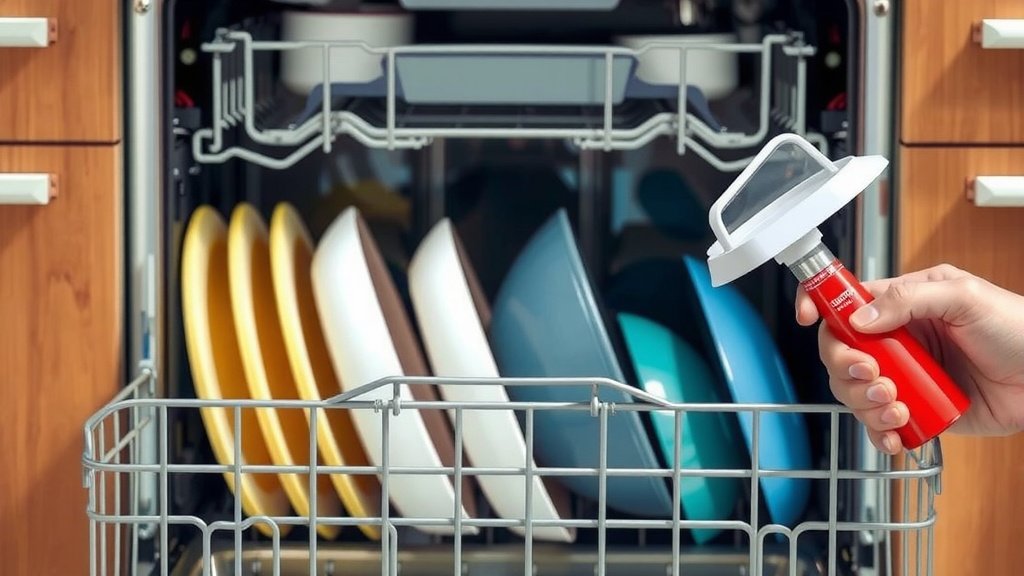
Quick Loading Checklist
Here’s a simple checklist to help you remember the key points for loading:
- Scrape large food chunks off dishes.
- Load the bottom rack with plates, pots, and pans facing the spray.
- Put glasses and mugs upside down on the top rack.
- Mix utensils in the basket, handles up and down.
- Avoid overcrowding; ensure water can reach all surfaces.
- Check labels for dishwasher-safe items, especially plastics.
Conclusion
You’ve now learned the secrets to a perfectly loaded dishwasher. By understanding each zone—the powerful bottom rack, the gentle top rack, and the tricky utensil basket—you can ensure every dish comes out sparkling. Remember to scrape, not rinse, and never overcrowd. Making these small adjustments to your loading routine will save you time and the frustration of rewashing. Start applying these tips today, and enjoy consistently clean dishes with every cycle!
Frequently Asked Questions
How do I know if my plastic containers are dishwasher safe?
Look for a dishwasher-safe symbol, usually a plate with water or jets, on the bottom of the container. If you can’t find a symbol, check the manufacturer’s website or packaging. When in doubt, it’s safest to hand-wash plastics to prevent warping.
Should I put knives on the top or bottom rack?
Sharp knives should always go in the utensil basket with the handles pointing upwards. This prevents accidental cuts when unloading. For safety reasons, avoid placing sharp knives directly on either rack where hands might brush against them.
My dishwasher still leaves spots on my glasses. What am I doing wrong?
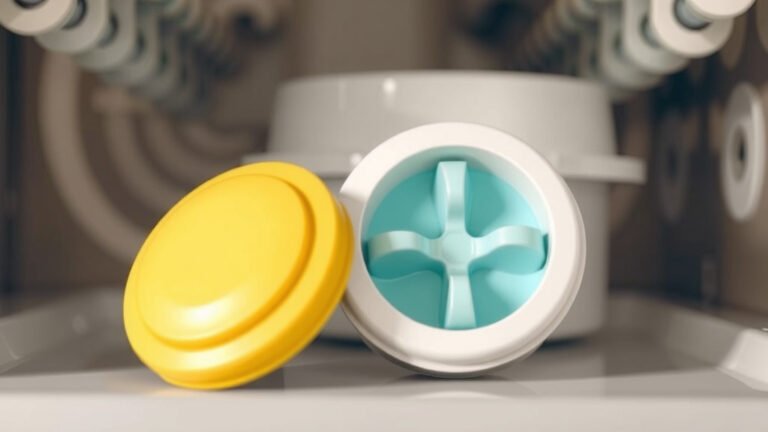
Spots on glasses often come from mineral deposits in your water. Try using a rinse aid, which helps water sheet off more effectively. Ensure your glasses are placed upside down on the top rack so water drains out. Also, check that the detergent dispenser isn’t blocked.
Can I put wooden spoons or cutting boards in the dishwasher?
Generally, it’s best to avoid putting wooden items in the dishwasher. The prolonged exposure to hot water and detergent can cause wood to warp, crack, or lose its finish. Hand-washing is the recommended method for wooden utensils and cutting boards.
Is it ever okay to run a half-empty dishwasher?
While it’s tempting to run it when you only have a few items, it’s less energy-efficient. If you must, ensure the items are loaded correctly so they still get clean. However, the most efficient way is to wait until the dishwasher is full, following proper loading techniques.