Best Dishwasher Detergent for Hard Water: Top Picks
When you have hard water, finding the best dishwasher detergent is key. You need a detergent with powerful cleaning agents and possibly a rinse aid. This combination helps fight off the mineral buildup that leaves spots and streaks on your dishes. Look for formulas specifically designed to tackle hard water challenges.
Hard water minerals, like calcium and magnesium, can leave a white film on your dishes. They can also build up inside your dishwasher, reducing its efficiency over time. Choosing the right detergent means your dishes come out sparkling clean and your appliance stays in better shape longer. We found that different types of detergents work better than others in these conditions.
- Look for detergents with enzymes and chelating agents.
- Consider using a rinse aid to help water sheet off dishes.
- Powder or gel detergents can sometimes be more effective than pods.
- Clean your dishwasher regularly to remove any mineral deposits.
Ready to banish those water spots for good? Below, we’ll guide you through the top dishwasher detergents that stand up to hard water.
Choosing the Right Dishwasher Detergent for Hard Water
Hard water can be a real pain for your dishes. You run the dishwasher, expecting sparkling results, but instead, you see stubborn spots and cloudy film. This is because hard water contains high levels of minerals, mainly calcium and magnesium. These minerals don’t always rinse away cleanly. They can cling to your dishes and even build up inside your dishwasher over time. But don’t worry, finding the best dishwasher detergent for hard water is totally achievable. We’ve researched the options to help you get brilliantly clean dishes.
The main challenge with hard water is mineral buildup. This buildup can make your dishes look dull. It can also reduce your dishwasher’s cleaning power. Certain detergent ingredients are better at fighting these minerals. Look for formulas that actively tackle these issues. Your goal is to neutralize the minerals and prevent them from redepositing on your clean load. It’s about finding a detergent that works harder for you.
Understanding What Makes Detergent Effective Against Hard Water
Not all dishwasher detergents are created equal, especially when facing hard water. Some are simply not formulated to handle the mineral content. You need detergents with specific ingredients. These ingredients help break down the minerals and prevent them from causing problems.
Key Ingredients to Look For
When you’re scanning the shelves, keep an eye out for a few key players. These are the workhorses that help your detergent perform under pressure from hard water.
Enzymes: The Dirt Busters
Many modern dishwasher detergents contain enzymes. These are proteins that help break down different types of food soils. For hard water, enzymes like amylase and protease are especially helpful. Amylase tackles starchy residues. Protease breaks down protein-based stains. They make it easier for the detergent to lift away food particles. This reduces the chance of residue being left behind due to hard water interference. Many experts say enzymes are crucial for breaking down tough food stains (Procter & Gamble Science).
Chelating Agents: Mineral Neutralizers
This is where things get really interesting for hard water. Chelating agents are special compounds. They bind to metal ions, like calcium and magnesium. By binding to these minerals, they effectively neutralize their ability to cause spots and films. They keep the minerals suspended in the water. This prevents them from sticking to your dishes or your dishwasher. Citric acid and sodium citrate are common, effective chelating agents found in many detergents. Some advanced formulas might use EDTA or other chelators.
Surfactants: The Cleaning Powerhouses
Surfactants are the core cleaning agents in most detergents. They work by lowering the surface tension of water. This allows the water to spread more easily. It also helps lift grease and grime. In hard water, some surfactants can be less effective. They can react with minerals, creating soap scum. Look for detergents with high-performance surfactants. These are designed to remain effective even in the presence of minerals.
Why Some Detergent Types Are Better
The form of your dishwasher detergent can matter. While pods are convenient, they might not always be the best for very hard water. We found that other forms sometimes offer more control and power.
Powder Detergents
Powder detergents can be quite effective against hard water. You can often adjust the amount you use. This means you can increase the dosage on particularly tough wash days. They tend to contain a good balance of enzymes and builders that help with mineral control. Many users report that powder detergents offer great flexibility for hard water conditions.
Gel Detergents
Gel detergents are also a good option. They are typically good at dissolving and rinsing away. Like powders, you can sometimes adjust the amount. They can be effective at lifting grease and tackling mineral deposits. However, some gels might be less concentrated than powders. This means you might need to use a bit more. We found gels to be a reliable choice for moderately hard water.
Dishwasher Pods and Tablets
Pods are incredibly convenient. They combine detergent, rinse aid, and other agents in one neat package. However, they are pre-measured. This means you can’t adjust the amount for your specific water hardness. In very hard water, a single pod might not have enough cleaning power or mineral control. They can be a good option for softer water. For hard water, you might need to supplement them or use a different form. Some brands offer pods specifically designed for hard water.
The Role of Rinse Aid in Hard Water Situations
Rinse aid is not just an optional extra; it’s often a necessity for hard water. Think of it as your dishwasher’s best friend when battling mineral spots. It’s added during the final rinse cycle.
How does it work? Rinse aid contains surfactants. These reduce the surface tension of water even further. This causes water to sheet off your dishes. Instead of forming droplets that dry and leave spots, the water slides off in a thin film. This helps your dishes dry faster and more completely. It’s a simple step that makes a huge difference in preventing water spots. Many dishwasher manufacturers recommend using rinse aid, especially with hard water (Whirlpool).
When to Consider Cleaning Your Dishwasher
Even with the best detergent and rinse aid, mineral buildup can still happen. It’s important to regularly clean your dishwasher itself. This removes any accumulated scale or debris. A clean dishwasher works more efficiently. It also prevents old mineral deposits from contaminating your next load.
How Often Should You Clean?
For homes with hard water, cleaning your dishwasher every 1-3 months is a good rule of thumb. Check your dishwasher’s manual for specific recommendations. You can use specialized dishwasher cleaning products. Vinegar or baking soda can also be effective natural cleaners.
What to Look For in Cleaning Products
When selecting a cleaner, look for ones designed to descale. These products will break down the mineral deposits. Some are made from citric acid or other acidic compounds. These are great for tackling calcium and magnesium buildup. Always follow the product instructions carefully. You want to ensure you get a thorough clean without damaging your appliance.
Our Top Picks for Hard Water Dishwasher Detergents (General Recommendations)
Based on research, certain detergents consistently perform well in hard water conditions. These formulas often contain a good blend of enzymes and chelating agents. They are designed to tackle tough mineral buildup and food residue.
| Detergent Type | Pros for Hard Water | Cons for Hard Water |
|---|---|---|
| Powder Detergents | Adjustable dosage, good mineral control, effective enzymes. | Can be messy to measure, may not dissolve fully in cold water. |
| Gel Detergents | Good grease-cutting, rinses well, easier to dispense than powders. | May be less concentrated, potential for residue if not enough is used. |
| Specialty Pods/Tablets | Convenient, often contain multiple cleaning agents. | Pre-measured (no adjustment), may not be strong enough for very hard water. |
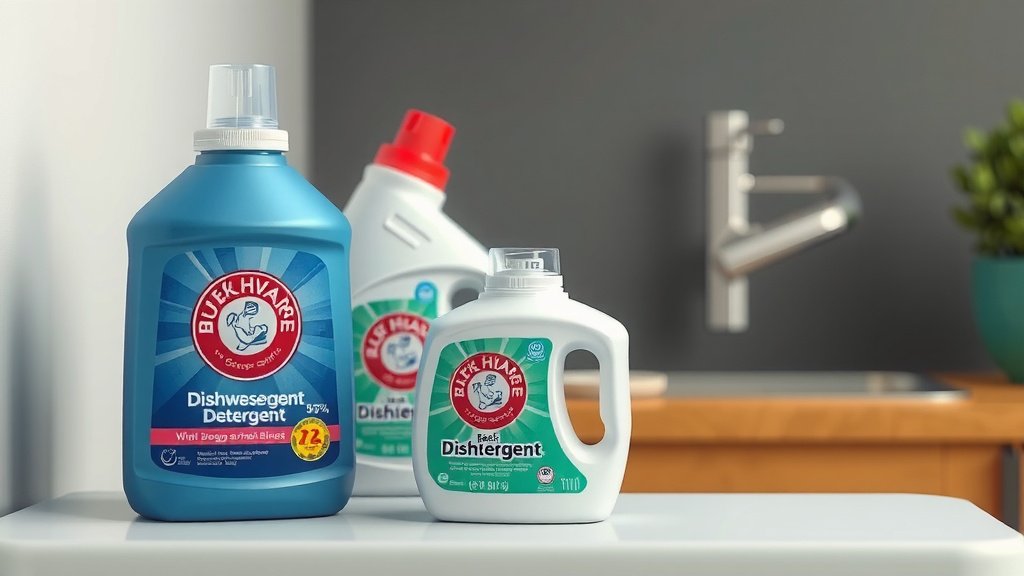
Always check product labels for claims related to hard water performance. Some brands specifically market their detergents as being excellent for hard water conditions. These are often a safe bet. We found that brands like Finish Quantum. Cascade Platinum. and Seventh Generation often have strong options. Research and reviews suggest these are reliable performers for many households facing hard water challenges.
Remember, the “best” can depend on your specific water hardness level. You might need to experiment a little. Start with a well-regarded option. If you’re still seeing spots, try increasing the dosage if using powder or gel. Or, consider a formula explicitly marketed for tough water conditions.
Quick Checklist for Sparkling Dishes in Hard Water
- Use a detergent with enzymes and chelating agents.
- Always use a rinse aid in your dishwasher.
- Consider powder or gel detergents for more control.
- Clean your dishwasher regularly (every 1-3 months).
- Ensure your water temperature is hot enough for cleaning.
- Check your dishwasher’s salt dispenser if it has one for water softening.
Conclusion
Tackling hard water doesn’t have to be a constant battle. By choosing the right dishwasher detergent, you can finally say goodbye to those frustrating spots and cloudy film. Remember, look for detergents packed with enzymes and chelating agents. Don’t forget the power of a good rinse aid. If you’re still struggling, consider switching to a powder or gel formula for more control. Your next step? Grab a detergent designed for hard water and get ready for sparkling dishes!
Frequently Asked Questions
Can I just use more of my regular detergent for hard water?
While adding more detergent might seem like a solution, it’s often not enough for hard water. Regular detergents may not have the specific ingredients needed to neutralize minerals. You might end up with more residue or soap scum instead of cleaner dishes. It’s better to switch to a formula designed for hard water challenges.
How do I know if my dishwasher has hard water buildup?
You’ll typically see a white, chalky residue on your dishes, glassware, and inside the dishwasher tub. Your dishwasher might also start to sound louder or seem less effective at cleaning. Regular cleaning of the dishwasher itself can help prevent this buildup from becoming a major problem.
Are dishwasher pods completely useless for hard water?
Not necessarily useless, but often less effective. Standard pods are pre-measured and may not contain enough powerful chelating agents for very hard water. Some brands now offer specialized pods formulated specifically to combat hard water issues. If you use regular pods, you might see better results with a separate rinse aid.
Why is a rinse aid so important when I already use detergent?
Detergent cleans the dishes, but rinse aid helps water sheet off them. In hard water, this is essential. Rinse aid reduces the surface tension of water. This prevents water droplets from forming as they dry. Without rinse aid, those droplets are what leave mineral spots and streaks behind.
Can I use vinegar in my dishwasher for hard water spots?
Vinegar can help with mineral buildup as a cleaning agent, but it’s not a substitute for detergent. You can run an empty cycle with vinegar to clean out mineral deposits. However, it’s not recommended to mix vinegar directly with detergent or use it as a rinse aid in every load. This is because its acidity can damage certain dishwasher components over time.