
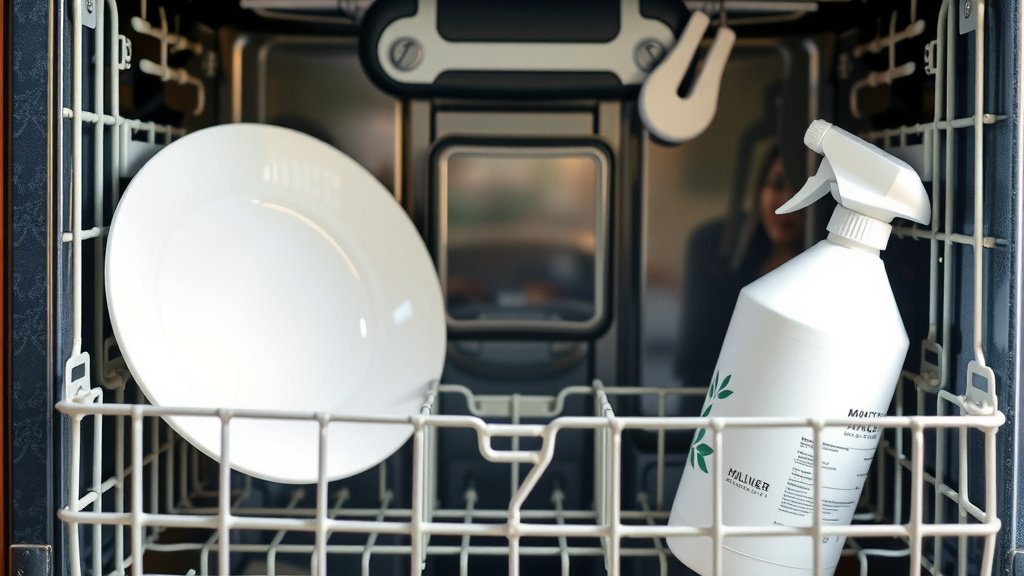
Erase Hard Water Stains in Your Dishwasher Now
The easiest way to remove hard water stains in your dishwasher is to use a vinegar soak. Pour about two cups of white vinegar into a dishwasher-safe bowl and place it on the top rack. Run a full, hot wash cycle. This method is simple, effective, and uses ingredients you likely already have on hand to restore your dishwasher’s shine.
These stubborn white or cloudy marks are caused by mineral deposits from your water. Over time, they can build up on your dishwasher’s interior and even on your dishes. Fortunately, addressing this is straightforward. We found that consistent cleaning can prevent future buildup and keep your appliance working its best.
- Use white vinegar to soak your dishwasher.
- Pour two cups of vinegar into a bowl.
- Place the bowl on the top rack.
- Run a hot wash cycle.
- This helps remove tough mineral deposits.
Ready to get your dishwasher sparkling again? Let’s walk through exactly how to tackle those hard water stains step by step.
Your dishwasher works hard for you, cleaning up after meals. But sometimes, it gets a little grimy itself. If you’re seeing white, chalky residue on your dishes or inside the dishwasher tub, those are hard water stains. They’re caused by minerals like calcium and magnesium in your water supply. Don’t worry, these aren’t permanent! You can banish these spots and get your appliance looking and working like new again.
Tackling Those Pesky Dishwasher Water Spots
Let’s get your dishwasher sparkling again. We’ll walk through the easiest and most effective ways to remove those stubborn hard water stains.
The Vinegar Method: Your Go-To Solution
Vinegar is a cleaning superhero for hard water stains. Its acidity breaks down mineral deposits. This method is **simple, effective, and uses common household items**.
What You’ll Need for the Vinegar Clean
You likely have everything you need right in your pantry. Gather these items:
- White vinegar
- A dishwasher-safe bowl or cup
Step-by-Step Vinegar Cleaning Process
This process takes less than an hour of active time, plus the dishwasher cycle. It’s a **low-effort, high-reward clean**.
1. Prepare Your Dishwasher
Empty your dishwasher completely. Remove any leftover food particles from the racks and the bottom drain area. This ensures the vinegar can reach all surfaces.
2. Add the Vinegar
Pour about two cups of plain white vinegar into your dishwasher-safe bowl or cup. Place this bowl on the **top rack** of your empty dishwasher. This position helps distribute the vinegar effectively during the cycle.
3. Run a Hot Wash Cycle
Close the dishwasher door and run it on a **hot water cycle**. A hot cycle helps the vinegar to work its magic on the mineral buildup. Avoid using detergent during this cleaning cycle. We found that just the vinegar is enough for this step.
4. Let it Sit (Optional but Recommended)
Once the cycle is complete, leave the dishwasher door closed for about 30 minutes to an hour. This allows the vinegar to continue to break down any remaining residue. This extra time can make a big difference.
5. Run a Rinse Cycle (Optional)
If you notice a strong vinegar smell, you can run a quick rinse cycle. This will help clear out the vinegar scent. Afterward, leave the door ajar to let it air out completely.
Why Does Vinegar Work So Well?
Vinegar contains acetic acid. This acid is **excellent at dissolving mineral deposits**, like calcium carbonate, which causes hard water stains. Many cleaning experts recommend vinegar for its natural cleaning power (CDC).
Dealing with Stubborn Stains: Extra Tips
For really tough or old stains, you might need a little more elbow grease. Don’t get discouraged!
Using Baking Soda for Deeper Cleaning
Baking soda is another fantastic natural cleaner. It’s slightly abrasive and can help scrub away residue. It also helps **neutralize odors**.
How to Use Baking Soda with Vinegar
After completing the vinegar cycle and emptying the bowl, sprinkle about one cup of baking soda on the bottom of your dishwasher. Run another hot water cycle. The combination of vinegar and baking soda can be very effective against tough buildup.
Manual Scrubbing for Visible Spots
Sometimes, you can see exactly where the stains are. For these specific spots, a little manual attention helps.
- Use an old toothbrush or a soft cloth dampened with vinegar.
- Gently scrub the stained areas on the inside walls, door, or racks.
- Rinse the area thoroughly afterward.
This targeted approach can tackle those **most visible and persistent spots**.
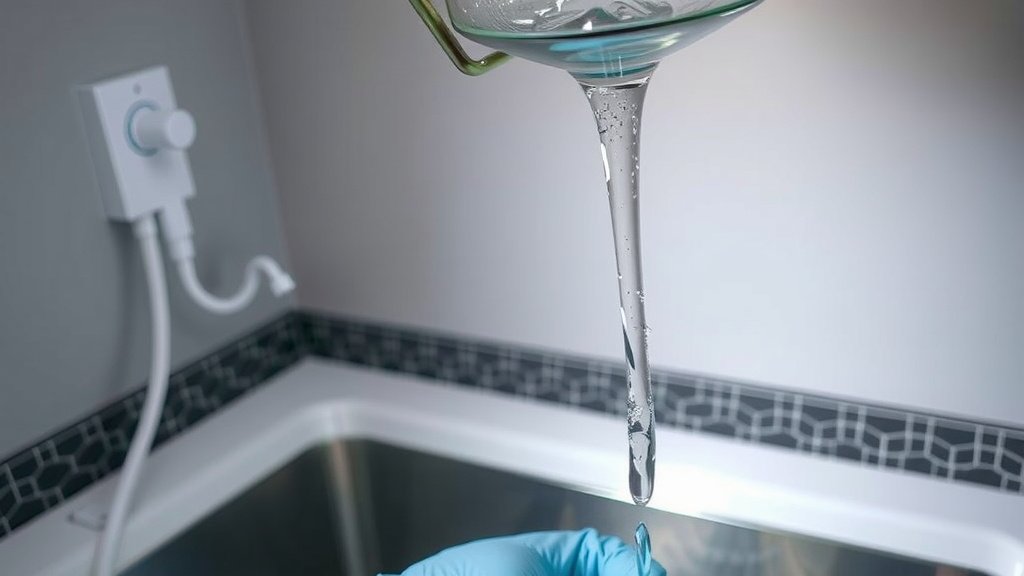
Cleaning Your Dishwasher’s Filter and Spray Arms
Hard water minerals don’t just stick to the walls. They can clog up your dishwasher’s components, making it less efficient.
The Importance of a Clean Filter
Your dishwasher’s filter traps food particles. If it’s clogged, water can’t drain properly. This can lead to **dirty dishes and more residue**. Many manufacturers recommend cleaning the filter monthly (Consumer Reports).
How to Clean Your Dishwasher Filter
Locate your filter, usually at the bottom of the tub. Most simply twist out. Rinse it under warm running water, using a soft brush to remove any stuck-on debris. Reinstall it securely.
Checking the Spray Arms
Mineral deposits can block the small holes in your dishwasher’s spray arms. If the holes are blocked, water won’t spray effectively.
- Inspect the spray arms for any visible clogs.
- You can often use a toothpick or a small needle to carefully clear out any blocked holes.
- Ensure the arms can spin freely.
This simple check ensures **optimal water distribution**.
Preventing Future Hard Water Stains
Once you’ve got your dishwasher clean, you’ll want to keep it that way. Prevention is key!
Regular Cleaning Cycles
Running a vinegar clean or a specialized dishwasher cleaner about once a month can keep mineral buildup at bay. This **consistent maintenance** prevents major problems.
Using a Rinse Aid
Rinse aid is designed to help water sheet off your dishes and the interior of your dishwasher. This helps **prevent water spots** from forming in the first place.
Consider a Water Softener
If you have very hard water, a whole-house water softener can make a huge difference. This is a more significant investment but tackles hard water issues for all your plumbing. It protects your dishwasher, pipes, and fixtures.
Dishwasher Cleaning Checklist: Keep It Sparkling!
- Empty and pre-rinse dishes before loading.
- Run a vinegar or cleaner cycle monthly.
- Check and clean the filter regularly.
- Ensure spray arms are clear and spin freely.
- Use rinse aid for an extra layer of protection.
- Address any visible stains promptly.
Conclusion
You’ve learned how to banish those unsightly hard water stains from your dishwasher. The simple vinegar soak is your first line of defense, effectively breaking down mineral deposits. For tougher jobs, a baking soda scrub or some manual attention can work wonders. Remember to keep your filter clean and spray arms clear for optimal performance. By incorporating regular maintenance and using a rinse aid, you can significantly reduce future buildup. Now, go ahead and run that cleaning cycle to enjoy a sparkling clean dishwasher and spot-free dishes!
Frequently Asked Questions
How often should I clean my dishwasher for hard water stains?
We recommend running a vinegar cleaning cycle about once a month. This consistent maintenance is key to preventing stubborn mineral buildup from forming in the first place.
Can I use something other than vinegar?
Yes, there are specialized dishwasher cleaning tablets or solutions available. However, vinegar is a widely recommended and effective natural cleaner that you likely already have at home.
Will hard water stains damage my dishwasher?
While hard water stains are mostly an aesthetic issue, severe buildup can potentially clog components like spray arms and filters, reducing your dishwasher’s efficiency over time.
What if the vinegar smell lingers after cleaning?
If you notice a strong vinegar odor, running an additional short rinse cycle can help. Leaving the dishwasher door ajar to air out afterward is also very effective.
Is a water softener necessary for hard water stains?
A water softener is a more significant investment, but it’s the best long-term solution if you have very hard water. It addresses hard water issues for your entire home, protecting all your appliances and fixtures.