Phosphate-Free Dishwasher Detergent: A Clean & Green Choice
Yes, dishwasher detergent without phosphates is a great choice for cleaner dishes and a healthier planet. Phosphates were once common ingredients that helped detergents work better. But, they can cause environmental harm. Thankfully, modern formulas are just as effective without them. You can achieve sparkling results while being kind to waterways.
You might be wondering if you’ll sacrifice cleaning power. Many research studies and consumer reports found that phosphate-free options perform remarkably well. They often contain new enzymes and surfactants that target tough stains and grease. Making the switch means supporting products that are both You might be wondering if you’ll sacrifice cleaning power; our guide to the best dishwasher detergent explains how effective phosphate-free options perform.effective and eco-friendly. It’s a simple change with a big impact.
- Phosphates are bad for lakes and rivers.
- New detergents clean just as well without them.
- Look for “phosphate-free” on the label.
- Your dishes will still be spotless!
Ready to learn more about why this switch is so important and what to look for? We’ve gathered the key details to help you make the best choice for your home and the environment.
Choosing Eco-Friendly Dishwasher Detergents
Making the switch to dishwasher detergent without phosphates is a simple yet powerful way to help protect our waterways. You might be wondering if you’re sacrificing cleaning power by going phosphate-free. Research and countless consumer experiences show that you don’t have to. Modern formulas are designed to tackle tough grease and baked-on food effectively, often using advanced enzyme technology.
Why Are Phosphates a Concern?
Phosphates used to be a common ingredient in many cleaning products, including automatic dishwashing detergents. They were excellent at softening water and boosting the cleaning power of detergents. However, their widespread use led to significant environmental issues.
The Impact on Waterways
When phosphate-laden water from your dishwasher goes down the drain, it eventually reaches lakes, rivers, and streams. In these bodies of water, phosphates act like a super-fertilizer for algae. This causes algal blooms to grow rapidly.
Algal Blooms and Their Effects
These dense blooms block sunlight from reaching underwater plants, which then die off. As the algae itself dies, it consumes large amounts of dissolved oxygen in the water. This oxygen depletion can harm or kill fish and other aquatic life. It’s a chain reaction that disrupts the entire ecosystem.
Regulatory Action and Consumer Choice
Because of these environmental concerns, many regions have phased out or banned phosphates in dishwasher detergents. The U.S. Environmental Protection Agency (EPA) has worked with manufacturers to reduce phosphate content. This has led to a wider availability of effective phosphate-free options for consumers like you. You’re making a good choice by seeking out these products.
What Makes Modern Phosphate-Free Detergents Work?
If phosphates are out, what’s in these effective new formulas? Manufacturers have developed innovative ingredients to ensure your dishes get sparkling clean without them. They use a combination of advanced surfactants, enzymes, and builders.
The Power of Enzymes
Enzymes are biological catalysts that are excellent at breaking down specific types of food soils. Different enzymes target different messes. For example:
- Protease enzymes break down protein-based stains like egg and dairy.
- Amylase enzymes tackle starchy residues from pasta and potatoes.
- Lipase enzymes are designed to cut through greasy films.
These enzymes work together to lift and remove food particles before they become baked-on or leave spots. Many experts in cleaning science agree that enzyme technology has revolutionized detergent performance (National Academies of Sciences, Engineering, and Medicine).
Advanced Surfactant Technology
Surfactants are the workhorses of any detergent. They help to reduce the surface tension of water, allowing it to spread and penetrate soils more effectively. Modern phosphate-free detergents use a variety of sophisticated surfactants that are biodegradable and gentler on the environment. They help lift grease and grime from your dishes so they can be washed away.
The Role of Builders and Other Ingredients
Builders help detergents work better, especially in hard water. They bind to minerals like calcium and magnesium, preventing them from interfering with the cleaning action of surfactants. Newer builders used in phosphate-free formulas are designed to be more environmentally friendly. Other ingredients might include agents that prevent spotting and streaking, ensuring a clear finish.
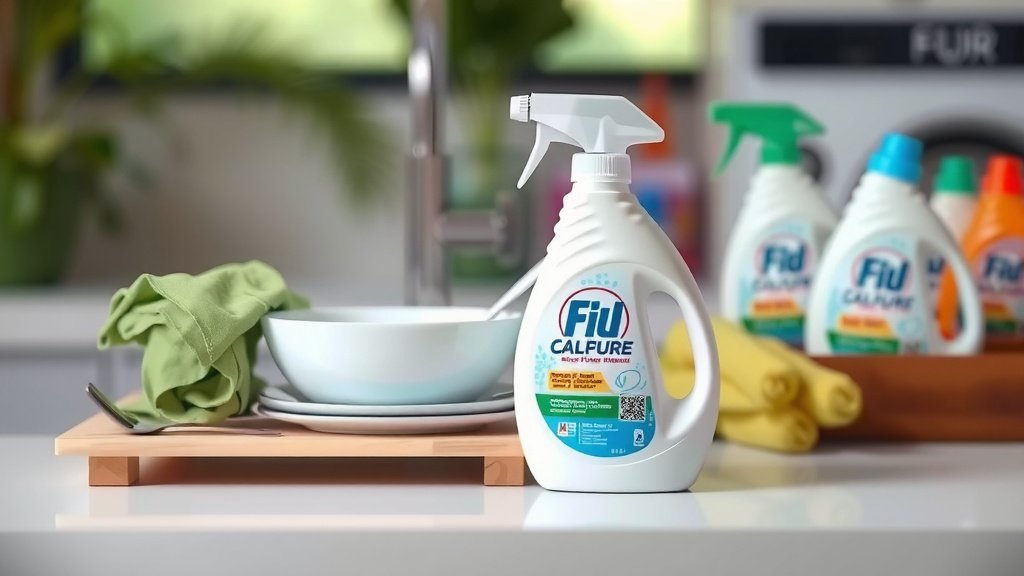
What to Look For on the Label
Navigating the cleaning aisle can be a bit overwhelming. When you’re looking for a phosphate-free option, here’s what to keep in mind.
“Phosphate-Free” or “0% Phosphates”
The clearest indicator is right on the front of the package. Most brands that have reformulated to remove phosphates will proudly display “Phosphate-Free” or “0% Phosphates.” This makes it easy for you to identify suitable products.
Checking the Ingredient List
If the front isn’t clear, you can always check the ingredient list. While the exact chemical names can be lengthy, common phosphate ingredients you’ll want to avoid include sodium tripolyphosphate (STPP), sodium carbonate peroxyhydrate (which can release phosphates), and other complex phosphate names. However, in most commercially available detergents today, the absence of these is explicitly stated on the packaging.
Eco-Labels and Certifications
Look for third-party certifications or eco-labels. While not always exclusively about phosphates, these labels often indicate a product’s commitment to environmental responsibility. For instance, EPA’s Safer Choice label signifies that a product contains ingredients proven to be safer for human health and the environment. These labels can give you extra confidence in your purchase.
Making the Switch: Your Checklist
Ready to make the change to a cleaner, greener dishwashing routine? Here’s a quick guide to help you get started:
- Read the packaging carefully: Look for “Phosphate-Free” claims.
- Consider eco-labels: EPA’s Safer Choice is a good indicator.
- Check ingredient lists if unsure: Avoid phosphate-based chemicals.
- Try a new brand: Many reputable brands offer excellent phosphate-free options.
- Don’t sacrifice performance: Newer formulas are highly effective.
- Enjoy sparkling dishes: And the peace of mind that comes with an eco-conscious choice!
Conclusion
You’ve learned that choosing dishwasher detergent without phosphates is an easy way to protect our lakes and rivers. Modern, phosphate-free formulas use powerful enzymes and advanced surfactants to get your dishes sparkling clean. You don’t have to sacrifice performance for eco-friendliness. By looking for “Phosphate-Free” labels and eco-certifications, you can make a smart choice for your home and the environment. Your next step is simple: next time you buy dishwasher detergent, choose a phosphate-free option and contribute to healthier waterways.
Frequently Asked Questions
Will phosphate-free dishwasher detergent actually clean my dishes?
Yes, research and consumer reports show that modern phosphate-free detergents clean just as effectively. They use advanced ingredients like enzymes and specialized surfactants to tackle tough food stains and grease, leaving your dishes spotless.
Are there any specific ingredients I should look for in a phosphate-free detergent?
You should look for detergents that highlight enzymes like protease, amylase, and lipase, which break down different food types. Advanced biodegradable surfactants are also key. Checking for labels like “Phosphate-Free” or certifications like EPA’s Safer Choice is a good start.
Where did phosphates in detergents come from, and why were they removed?
Phosphates were added to detergents to help soften water and boost cleaning power. However, they caused significant environmental problems by promoting excessive algae growth in waterways, harming aquatic life. Many regions have banned them due to these ecological concerns.
Are phosphate-free detergents more expensive than those with phosphates?
The cost can vary by brand, but many effective phosphate-free detergents are competitively priced. You can often find affordable options from major brands that have reformulated their products. Your local stores will likely have a range of price points.
Is it safe to use older dishwasher detergent if it might contain phosphates?
While older detergents might still be effective for cleaning dishes, it’s best to use them up and then switch to phosphate-free options. Continuing to use phosphate-containing products contributes to the environmental issues that led to their removal. Look for phosphate-free replacements for future purchases.