Why Are My Dishes Still Dirty? Common Dishwasher Mistakes
Your dishes might still be dirty after a wash cycle because of a few common culprits. Often, it’s an issue with how you’re loading the dishwasher, using the wrong detergent, or a problem with the machine’s performance. We’ve all been there, staring at cloudy glasses and greasy plates.
Understanding why your dishwasher isn’t getting things sparkling is key to solving the problem. This goes beyond just a quick rinse; it involves looking at the water temperature, filter cleanliness, and even the age of your appliance. Getting it right means less rewashing and more time enjoying your meals.
- Dishwasher isn’t cleaning well? It’s likely loading or detergent.
- Check your water temperature.
- Is the filter clean?
- Sometimes, it’s just how you stack.
- A good wash starts with a clean machine.
Let’s get those dishes truly clean. We’ll walk through the most common reasons and how to fix them so you can get back to enjoying spotless results.
“`htmlSolving Your Dishes-Still-Dirty Dilemma
It’s frustrating when your dishwasher finishes its cycle, and you pull out dishes that are still grimy or have food bits clinging to them. You might be wondering, “Why are my dishes still dirty?” This is a common problem many households face. Fortunately, the reasons are usually quite straightforward and fixable.
Let’s break down the most frequent causes. We’ll explore everything from how you load your machine to the detergent you use. Understanding these points can save you time and the annoyance of rewashing.
Your Dishwasher Loading Habits Matter
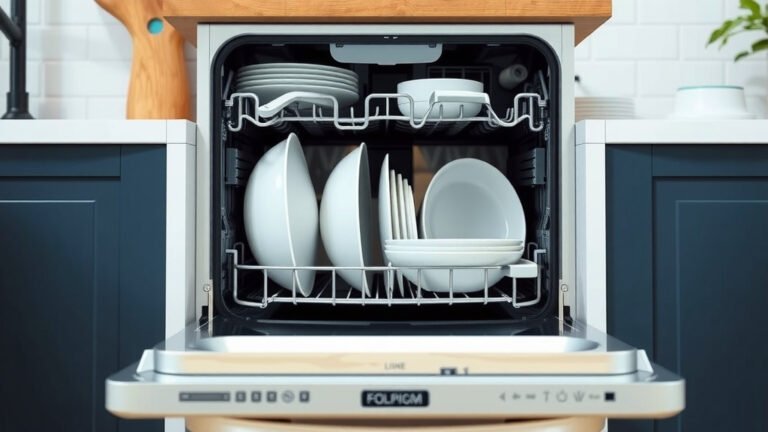
How you stack your dishes is one of the biggest factors in getting them clean. It’s easy to just toss things in, but proper loading allows water and detergent to reach every surface.
Don’t Block the Sprayers
The spray arms are what shoot water onto your dishes. If large items are blocking them, water can’t get to other dishes. Make sure nothing is preventing the arms from spinning freely. You can test this by manually giving them a spin after loading. If they hit anything, rearrange your items.
Face Dirty Surfaces Inward
This sounds obvious, but it’s often overlooked. Every plate, bowl, and utensil needs to face the center of the dishwasher. This way, the spray jets can blast away food debris directly. Think of it like aiming a hose at a dirty car – you want the water hitting the grime.
Don’t Overcrowd the Machine
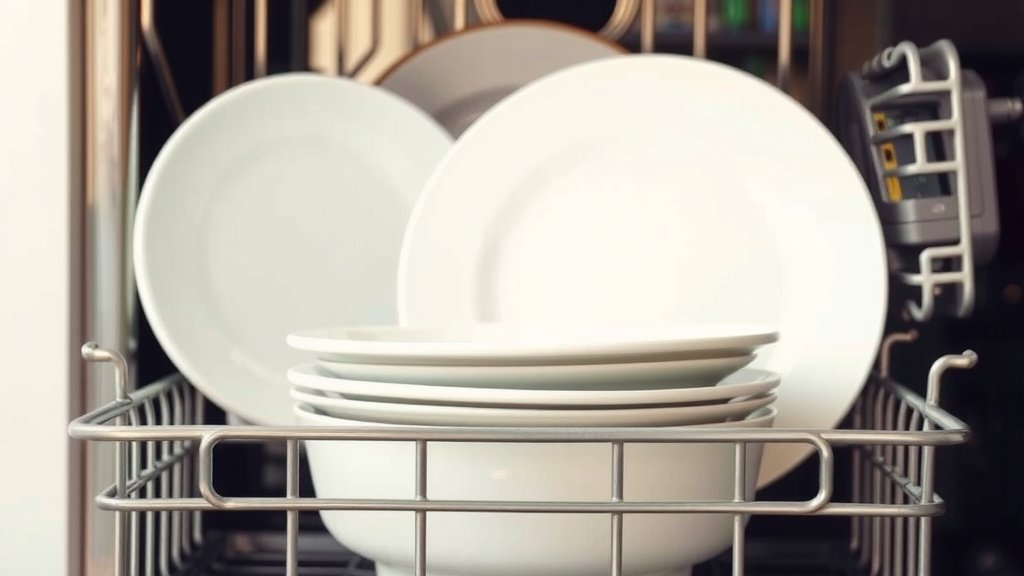
Packing your dishwasher too tightly is a sure way to end up with dirty dishes. Dishes need space for water to circulate. Cramming them in prevents water from reaching all the surfaces. Your machine might be working hard, but it can’t do its job effectively if it’s too full.
Proper Placement of Utensils
Put sharp knives point-down for safety. However, for spoons and forks, alternate them handle-up and handle-down. This prevents them from nesting together. If they stick together, the water can’t get to the eating surfaces. Most dishwasher baskets have slots to help with this.
Detergent: The Cleaning Powerhouse (Or Not!)
Using the right amount and type of detergent is essential. Too little won’t clean, and too much can leave residue. Many experts suggest using the amount recommended by the detergent manufacturer.
Check Your Detergent Type and Amount
Dishwasher detergents come in pods, powders, and gels. Pods are convenient, but sometimes they don’t dissolve completely, especially in shorter cycles. If you’re using powder or gel, measure carefully. Over time, detergent can also lose its effectiveness. Check the expiration date if your detergent is old.
The Role of Rinse Aid
Rinse aid helps water sheet off your dishes, reducing spots and speeding up drying. It’s particularly important for plastics and glassware. If you’ve run out, your dishes might still be wet and streaky, making them appear dirtier than they are. Many newer dishwashers have a dispenser for this.
Is Your Dishwasher Water Hot Enough?
Water temperature is a critical factor for effective dishwashing. Most dishwashers need water to be at least 120°F (49°C) to properly sanitize and break down grease. Low water temperature is a common reason for food residue remaining on dishes.
How to Test Your Water Temperature
Before starting a cycle, run the hot water at your kitchen sink until it gets as hot as possible. Then, place a thermometer in a glass and fill it. If it’s below 120°F, you’ll need to adjust your water heater. Guidelines from the CDC suggest setting your water heater to 120°F for safety and efficiency.
Does Your Dishwasher Heat Water?
Some older dishwasher models don’t have their own heating element. They rely solely on the hot water supplied by your home’s water heater. If your home’s water isn’t hot enough, the dishwasher won’t be either. Newer models usually have a booster heater to ensure optimal temperature.
Your Dishwasher’s Filter Needs Attention
Think of your dishwasher’s filter like the filter in your vacuum cleaner. If it’s clogged with food particles and debris, your dishwasher can’t clean efficiently. A dirty filter can lead to dirty water being recirculated, making your dishes dirty again.
Locating and Cleaning Your Filter
Most dishwasher filters are located at the bottom of the tub, under the lower spray arm. You can usually twist and lift them out. Rinse them under hot running water, using a soft brush to remove any stubborn bits. Many manufacturers recommend cleaning it at least once a month. It’s a simple step that makes a big difference.
Machine Maintenance: A Clean Machine Cleans Better
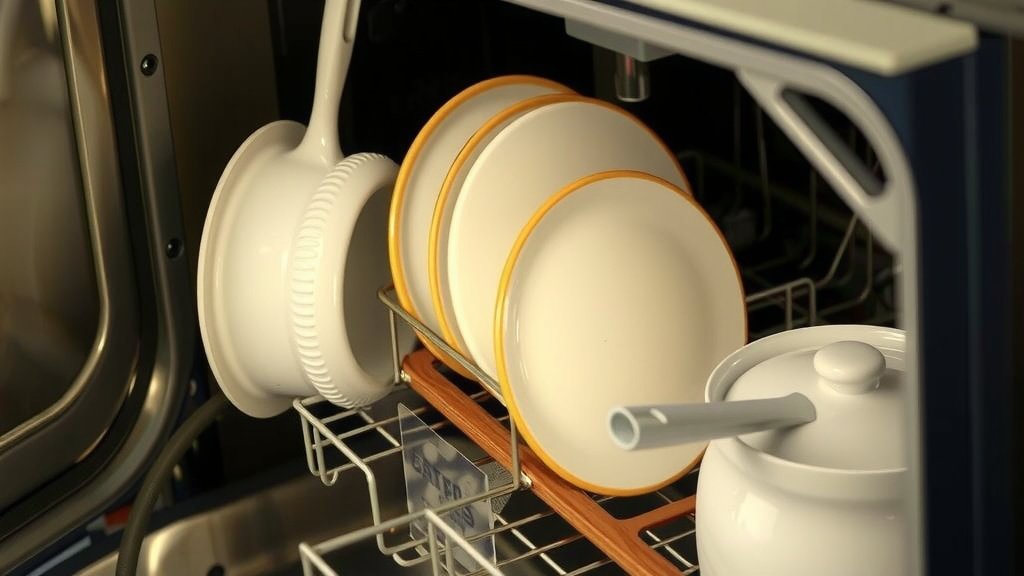
Just like any appliance, your dishwasher needs regular cleaning to perform its best. Buildup of grease, soap scum, and mineral deposits can affect its cleaning power.
Wipe Down Door Seals and Edges
Food particles and grime can get stuck around the door seal. Wipe this down with a damp cloth regularly. This prevents gunk from transferring back onto your dishes.
Clean the Interior and Spray Arms
Periodically run an empty cycle with a dishwasher cleaner or a cup of white vinegar placed on the top rack. This helps to break down buildup inside the machine and clear any clogged holes in the spray arms. Clogged spray arm holes mean less water is being sprayed onto your dishes.
Are You Using the Right Cycle?
Your dishwasher has different settings for a reason. Using the wrong one can leave your dishes less than clean. A light cycle for heavily soiled pots and pans won’t cut it.
Match the Cycle to the Soil Level
For everyday loads, a “normal” or “auto” cycle is usually fine. If you have baked-on food or grease, use a “heavy duty” or “pots and pans” cycle. These cycles use hotter water and longer wash times. Shorter cycles are great for lightly soiled dishes but might not be enough for tougher jobs.
Troubleshooting Common Dishwasher Issues
Sometimes, the problem isn’t how you’re loading or what detergent you’re using. It could be a mechanical issue with the dishwasher itself.
Check the Water Inlet Valve
If your dishwasher isn’t filling with enough water, it won’t clean properly. The water inlet valve controls water flow. If it’s faulty or clogged, you might notice low water levels during the cycle.
Inspect the Drain Hose and Pump
Food debris can clog the drain hose or pump, preventing dirty water from being removed. This can leave a film on your dishes. If you notice standing water at the bottom of the tub after a cycle, this is a likely culprit.
Quick Checklist for Spotless Dishes
Here’s a quick rundown to help you get your dishes sparkling:
- Load Smart: Ensure spray arms can spin freely and dishes face inward.
- Don’t Overpack: Give dishes space for water to circulate.
- Use Enough Detergent: Measure correctly and use fresh detergent.
- Hot Water is Key: Check your water heater is set to at least 120°F.
- Clean Your Filter: Make this a monthly habit.
- Select the Right Cycle: Match the setting to your soil level.
Conclusion
You’ve learned that those still-dirty dishes are often a result of simple, fixable issues. It usually comes down to how you load the dishwasher, the detergent you’re using, or ensuring your machine has the right water temperature. Don’t forget to keep your filter clean and choose the correct wash cycle for the best results. By implementing these checks, you’ll be well on your way to achieving consistently sparkling dishes. Your next step is to walk over to your dishwasher and do a quick audit of your loading habits!
Frequently Asked Questions
Why do my glasses come out cloudy?
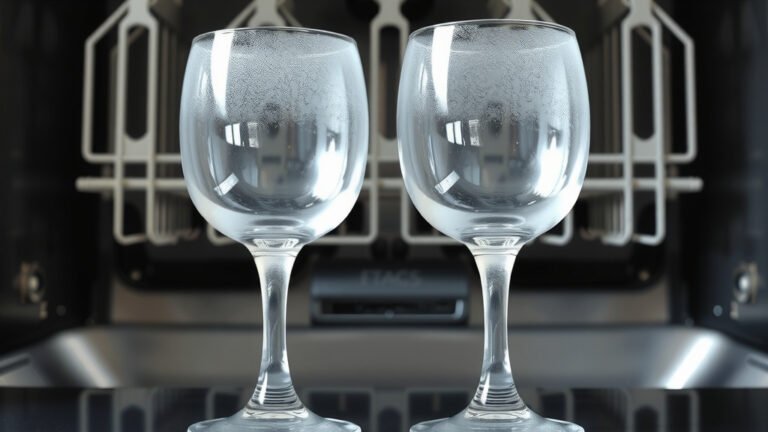
Cloudy glasses are often caused by hard water, which leaves mineral deposits. Using a rinse aid can help water sheet off the glass more effectively. You might also need to check your dishwasher’s water temperature or consider using a dishwasher cleaner to tackle buildup inside the machine.
Can I run my dishwasher with just a few dishes?
Yes, you can run your dishwasher with a light load. However, make sure you’re still loading it correctly so that the water can reach all the surfaces. An overly full, even small load, can still lead to dishes not getting clean.
How often should I clean my dishwasher filter?
It’s generally recommended to clean your dishwasher filter at least once a month. If you tend to run many loads or notice your dishes aren’t getting as clean, you might need to clean it more frequently. A quick visual inspection can tell you if it’s time.
My dishwasher doesn’t seem to be draining. What could be wrong?
If your dishwasher isn’t draining, it’s likely a clog. Check the drain hose and the pump for food debris or other obstructions. Sometimes, the drain filter itself might be full and needs cleaning to allow water to pass through.
Is it okay to use regular dish soap in my dishwasher?
No, you should never use regular dish soap (like the kind you use for handwashing) in your dishwasher. It creates too many suds and can overflow your machine, potentially causing a mess and damaging the appliance. Always use detergent specifically designed for automatic dishwashers.
“`