
How to Clean Your Dishwasher Filter for Better Results
The easiest way to clean your dishwasher filter is to remove it and rinse it under warm running water. You might need a soft brush to scrub away any stubborn food bits. A clean filter means your dishwasher runs better and your dishes come out sparkling, not slimy. This simple step can prevent odors and keep your appliance happy.
Your dishwasher filter catches all the food particles that come off your dishes. Over time, these particles build up and can clog the filter, leading to poor cleaning performance. Ignoring it can cause smells and even damage your dishwasher. Many people forget this little part, but it’s key to sparkling dishes.
- Locate and remove your dishwasher filter.
- Rinse it thoroughly under warm water.
- Use a brush for tough grime.
- Reinsert the clean filter.
- Clean it every 1-3 months.
Let’s walk through exactly how to get that filter sparkling clean, step by step.
“`htmlKeeping Your Dishwasher Filter Spotless
So, you’ve done the first step and found that little gadget at the bottom of your dishwasher. Now, let’s talk about how to actually get it clean. Think of your dishwasher filter like the drain in your kitchen sink. If you don’t clear out the gunk, things start to get a bit smelly and don’t drain properly, right? Your dishwasher filter works the same way.
Locating and Accessing Your Filter
Before you can clean it, you need to find it. This is usually the trickiest part for most people. Don’t worry, though; it’s almost always in the same spot. You’ll typically find it at the bottom of your dishwasher tub, underneath the lower spray arm.
Understanding Filter Types
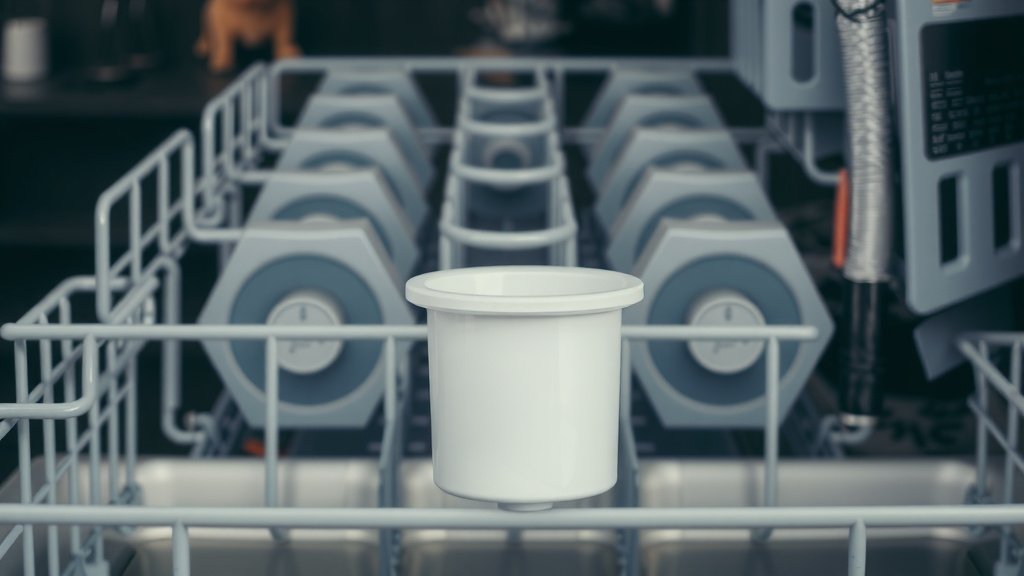
There are generally two main types of filters: a cylindrical mesh filter and a flat, screen-like filter. Sometimes, you might have a combination of both. The cylindrical one usually twists and pulls out. The flat one might slide out or have clips holding it in place. Always check your dishwasher’s manual if you’re unsure. It’s your best guide!
The Removal Process
Most filters are designed for easy removal. For the common cylindrical type, grasp the filter and give it a quarter turn counter-clockwise. You should feel it loosen. Then, gently lift it straight up. If you have a flat mesh filter, you might need to lift the lower rack first. Then, look for a rectangular or square piece that you can lift or slide out. Sometimes, there’s a pre-filter that looks like a large coin that you lift out first.
The Cleaning Steps: Freshness Awaits!
Once you have that filter in your hand, you might be surprised by what you see. Food scraps, grease, and other debris love to call it home. But fear not! A good cleaning is usually quite simple.
Step 1: The Rinse and Reveal
Your first and most important cleaning tool is warm running water. Take the filter to your sink and rinse it thoroughly. Hold it under the tap, letting the water flow through the mesh. You’ll see a lot of the loose bits wash away easily. This step alone can make a huge difference.
Step 2: Tackling Stubborn Grime
Sometimes, water alone isn’t enough. You might have sticky grease or food particles that are clinging on for dear life. For these stubborn bits, grab a soft-bristled brush. An old toothbrush works perfectly for this job. Gently scrub the filter, paying attention to any nooks and crannies. Avoid using anything too abrasive, like steel wool, as this can damage the filter mesh.
Step 3: Dealing with Tough Buildup
If you’re facing some serious buildup, like a greasy film, you can use a bit of dish soap. Apply a drop of mild dish soap to your brush and scrub the filter again under warm water. Rinse it very well afterward to ensure no soap residue remains. Some experts suggest a quick soak in a solution of equal parts white vinegar and water for really tough jobs. A 30-minute soak should do the trick before scrubbing.
Step 4: The Final Inspection and Reassembly
After rinsing and scrubbing, hold the filter up to the light. Can you see through the mesh clearly? If not, give it another scrub or rinse. Once it’s sparkling clean, dry it off with a clean cloth. Now, it’s time to put it back. Simply reverse the removal process. Align the filter correctly and twist it clockwise until it locks into place. Make sure it feels secure.
When and How Often Should You Clean It?
This is a question we get asked a lot. The frequency depends on how often you use your dishwasher and what kind of dishes you typically wash. Are you running it daily? Do you often scrape plates thoroughly? These factors matter.
General Guidelines
Most manufacturers recommend cleaning your dishwasher filter at least once every one to three months. However, if you notice your dishes aren’t coming out as clean as they used to, or if you start smelling a faint odor, it’s a strong sign that the filter needs attention sooner rather than later. Some busy households might need to check it monthly.
Factors Influencing Cleaning Frequency
Think about your daily habits. If you have a household with lots of kids, you probably have more food particles to contend with. Also, if you tend to put items with seeds, small bones, or fibrous materials (like spinach leaves) in the dishwasher, these can clog the filter more quickly. We found that many people who load their dishwasher without pre-rinsing excessively might need more frequent filter cleaning.
| Usage Pattern | Recommended Cleaning Interval | Signs It Needs Cleaning Sooner |
|---|---|---|
| Light Use (1-2 times/week) | Every 3-4 months | Noticeable odors, decreased cleaning performance |
| Moderate Use (3-5 times/week) | Every 1-2 months | Food residue on dishes, faint musty smell |
| Heavy Use (6-7 times/week or with many kids) | Monthly | Visible food particles in filter, water pooling at bottom of tub |
A Quick Checklist for a Clean Filter
To make this process even easier, here’s a quick checklist you can follow:
- Locate your dishwasher’s filter at the bottom of the tub.
- Gently twist and lift the filter out according to your model’s instructions.
- Rinse the filter thoroughly under warm running water.
- Use a soft brush to scrub away any stuck-on food or grease.
- Inspect the filter; ensure all debris is removed.
- Reinsert the clean filter securely into its housing.
Conclusion
You’ve learned how easy it is to keep your dishwasher filter clean. A simple rinse under warm water, perhaps with a little help from a soft brush, can prevent common dishwasher problems. A spotless filter means better cleaning performance and no more unpleasant odors. This small maintenance task is key to extending your dishwasher’s life and ensuring your dishes always shine. So, make it a habit to check and clean your filter regularly. Your sparkling dishes will thank you!
Frequently Asked Questions
How do I know if my dishwasher filter is dirty?
The best indicators are when your dishes don’t come out clean, or if you start to notice a mild musty or sour smell coming from your dishwasher. Visible food debris on the filter itself is also a clear sign it needs cleaning.
Can I use soap to clean my dishwasher filter?
Yes, a mild dish soap can be used with a soft brush to tackle greasy buildup. Just be sure to rinse the filter very thoroughly afterward to remove any soap residue. Avoid harsh detergents or abrasive cleaners.
What happens if I never clean my dishwasher filter?
If you never clean your filter, food particles and grease will accumulate, blocking water flow. This leads to poor washing results, potential odors, and could eventually cause strain on your dishwasher’s pump, potentially leading to damage.
Do all dishwashers have filters?
Yes, almost all modern dishwashers are equipped with filters to catch food debris. The exact type and location can vary by brand and model, but they are a standard feature for optimal cleaning performance.
How often should I replace my dishwasher filter?
Dishwasher filters are generally designed to be cleaned and reused, not replaced. With regular cleaning every 1-3 months, your filter should last for the life of your dishwasher. Only consider replacement if it becomes physically damaged.