Deep Clean Your Dishwasher: A Step-by-Step Guide
The easiest way to deep clean your dishwasher is by running a hot cycle with a cup of white vinegar placed on the top rack. This simple trick effectively tackles grime, odors, and hard water buildup. You can also use baking soda for an extra scrub. Cleaning your dishwasher regularly keeps your dishes sparkling. It also prevents unpleasant smells from lingering.
Your dishwasher works hard, but it can get dirty too. Food particles, grease, and mineral deposits build up over time. This can lead to decreased cleaning performance and funky smells. Many experts suggest a monthly deep clean. This ensures your appliance runs efficiently and your dishes come out spotless. You’ll notice a big difference!
- Run a hot cycle with white vinegar.
- Use baking soda for scrubbing tough spots.
- Clean the filter regularly.
- Wipe down the door and seals.
Ready to give your dishwasher some TLC? Let’s walk through exactly how to get it sparkling clean, step by step.
Getting Your Dishwasher Sparkling Clean
Your dishwasher works hard to make your life easier. It deserves a good cleaning now and then. A deep clean ensures your dishes come out spotless. It also prevents unpleasant smells from lingering. Many experts suggest a monthly deep clean for optimal performance (Cleveland Clinic). This simple routine keeps your appliance running efficiently.
Step 1: Tackle the Filter First
The dishwasher filter is often the smelliest part. It catches food debris. If it’s clogged, your dishwasher won’t clean well. It can also cause bad odors. Most filters are located at the bottom of the dishwasher.
Locating and Removing Your Filter
You’ll usually find the filter under the lower spray arm. Check your dishwasher’s manual if you’re unsure. Many filters twist out. Some might have clips or screws. Gently remove it and set it aside.
Cleaning the Filter
You’ll want to rinse the filter under warm running water. Use a soft brush or an old toothbrush. This helps remove stuck-on food particles. For tougher grime, you can use a little dish soap. Rinse it thoroughly until it’s clean. Make sure all food bits are gone. This is a key step for preventing smells.
Step 2: The Vinegar Cycle for a Deep Clean
White vinegar is a fantastic natural cleaner. It helps break down grease. It also tackles hard water stains. Plus, it neutralizes odors. It’s a safe and effective way to deep clean your dishwasher.
How to Use Vinegar
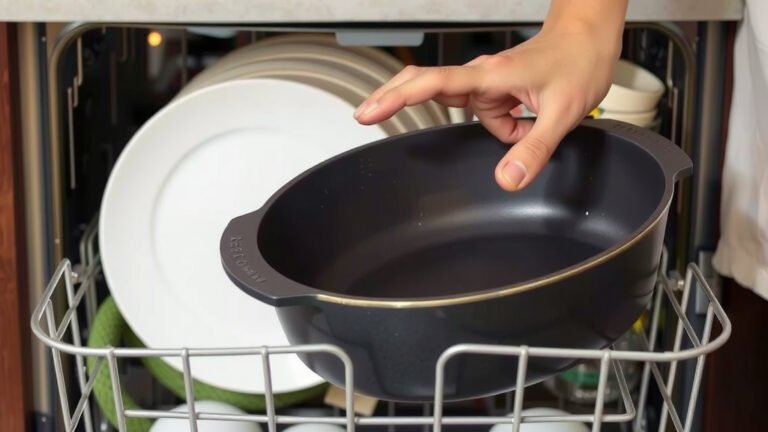
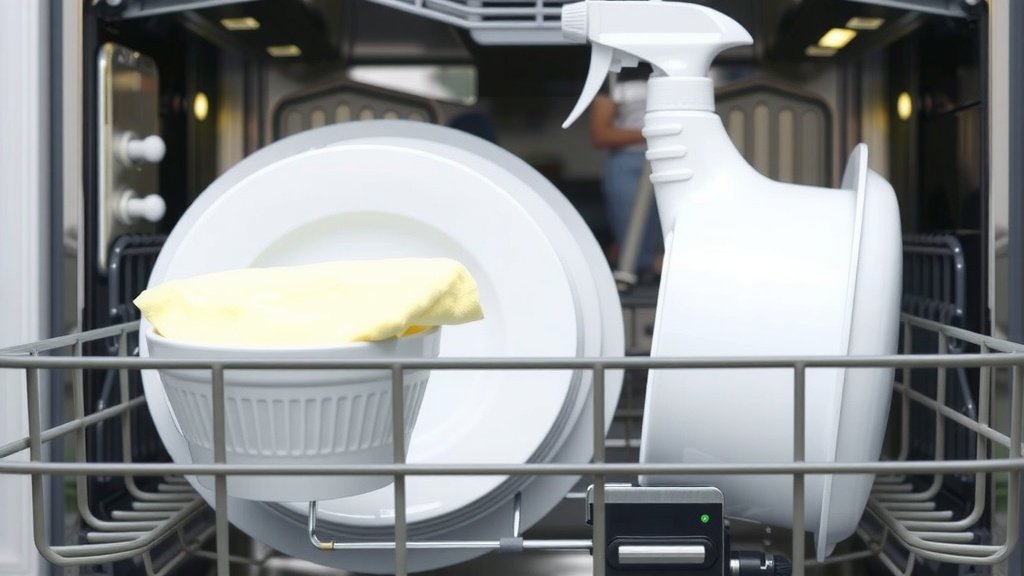
Pour one cup of white vinegar into a dishwasher-safe bowl or cup. Place this bowl on the top rack of your empty dishwasher. Make sure it’s stable and won’t tip over. You don’t want vinegar all over the place before the cycle starts.
Running the Cycle
Close the dishwasher door securely. Run the dishwasher on a hot water cycle. A long, hot wash is best for this. The heat and the vinegar will work together. They will scrub away grime and buildup. You might hear some sloshing as the vinegar circulates. This is perfectly normal. The vinegar smell will dissipate as it rinses away.
Step 3: Banish Stubborn Stains with Baking Soda
For extra cleaning power, especially on tough spots, baking soda is your friend. It’s a mild abrasive. It can help scrub away burnt-on food or stubborn stains. It also acts as a deodorizer.
Applying Baking Soda
After the vinegar cycle is complete, sprinkle about one cup of baking soda on the bottom of your dishwasher. Make sure to cover the floor of the tub. Concentrate on any stained areas. You can even make a paste with a little water for spot cleaning. Apply the paste directly to tough stains.
Another Quick Cycle
Run another short, hot water cycle. This will rinse away the baking soda. It will also remove any remaining grime or residue. You’ll be amazed at how fresh your dishwasher looks and smells. This two-step process is very effective.
Step 4: Don’t Forget the Door and Seals
The exterior and interior of the door can get grimy. Food splatters can end up on the door panel. The rubber seals around the door can trap moisture and mildew. These need a good wipe-down.
Cleaning the Door Panel
Use a damp cloth with a little mild dish soap. Wipe down the inside and outside of the door. Pay attention to the control panel. Avoid using harsh chemicals or abrasive cleaners here. They can damage the finish.
Maintaining the Seals
The rubber seals are crucial for preventing leaks. They can harbor mold and mildew if not cleaned regularly. Wipe them down with a damp cloth. For any stubborn spots, use a soft toothbrush. A mild all-purpose cleaner can also work. Make sure to dry them thoroughly. This helps prevent mold growth. Many experts recommend cleaning these seals monthly.
Step 5: Inspect and Clean the Spray Arms
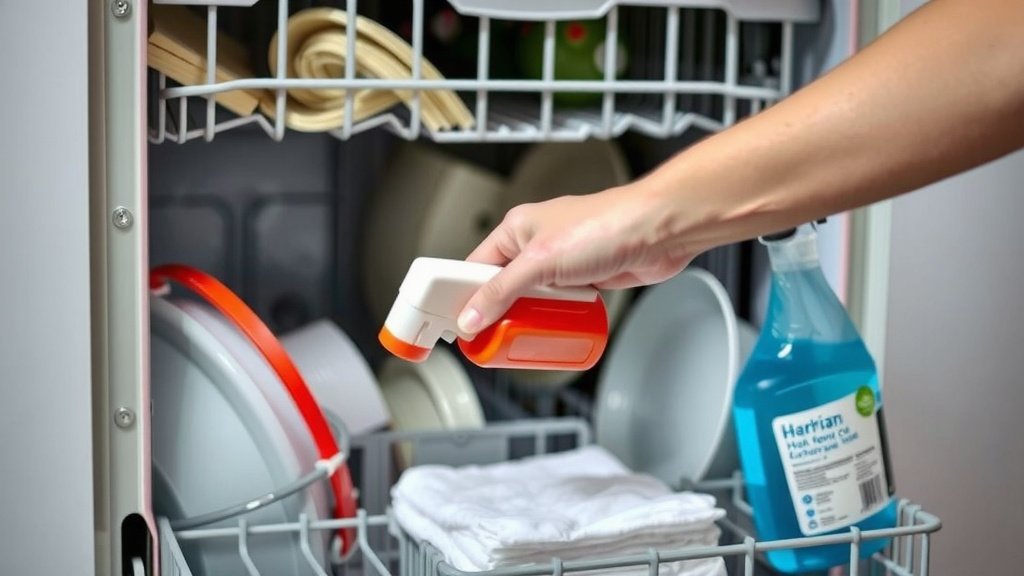
The spray arms are responsible for blasting water onto your dishes. If the holes get clogged, your dishes won’t get clean. Clogs can be caused by mineral deposits or food particles.
Checking for Clogs
Look closely at the small holes in the spray arms. Do you see any debris? Are they clear?
Clearing Blockages
You can often clear small clogs with a toothpick or a thin wire. For more stubborn mineral buildup, you might need to remove the spray arms. Check your manual for instructions on removal. Soak the arms in a solution of vinegar and water. This can help loosen deposits. Rinse them well and reattach them.
Checking Your Dishwasher’s Health: A Quick Checklist
Here’s a quick way to remember what to do:
- Check and clean the filter.
- Run a vinegar cycle.
- Sprinkle baking soda and run a short cycle.
- Wipe down the door and seals.
- Inspect spray arms for clogs.
- Wipe down the exterior.
Frequency of Deep Cleaning
How often should you perform this deep clean? Most manufacturers and cleaning experts suggest doing this thorough cleaning about once a month. If you notice lingering odors, reduced cleaning performance, or visible grime, it’s time for a deep clean. Your dishwasher will thank you for it. Sparkling dishes are the reward!
Conclusion
You’ve learned how to give your dishwasher a thorough cleaning. By tackling the filter, running a vinegar cycle, and using baking soda, you’ve banished odors and grime. Wiping down the door, seals, and spray arms ensures optimal performance. A clean dishwasher means cleaner dishes and a fresher kitchen. Make this deep clean a monthly habit to keep your appliance running smoothly. You’ll be rewarded with sparkling results every time!
Frequently Asked Questions
How often should I deep clean my dishwasher?
Most manufacturers and cleaning experts recommend a deep clean about once a month. This frequency helps maintain efficiency and prevent bad odors. If you notice your dishes aren’t coming out as clean or there’s a lingering smell, it’s definitely time for a deep clean.
Can I use other cleaning products besides vinegar and baking soda?
While vinegar and baking soda are excellent natural options, you can use a specialized dishwasher cleaner. Avoid harsh chemicals or abrasive scrubbers on the interior components. Always check your dishwasher’s manual before using any new cleaning product.
Why does my dishwasher still smell even after cleaning?
A persistent smell often means the filter is still clogged or the drain isn’t clear. Ensure you’ve thoroughly cleaned the filter and checked the drain area for any food debris. Running a hot cycle with vinegar can also help neutralize remaining odors.
Is it safe to put a bowl of vinegar in the dishwasher?
Yes, it’s perfectly safe. Placing a dishwasher-safe bowl filled with one cup of white vinegar on the top rack during a hot cycle is a common and effective method. The hot water activates the vinegar’s cleaning properties without any risk.
What should I do if my spray arms are completely blocked?
If your spray arms have stubborn blockages that a toothpick can’t clear, you may need to remove them. Consult your dishwasher’s manual for removal instructions. Soaking the spray arms in a vinegar and water solution can help loosen mineral deposits before reattaching them.