How to Sanitize Your Dishwasher for a Sparkling Clean
The easiest way to sanitize your dishwasher is by running a hot water cycle with a cup of white vinegar or a dishwasher cleaner. This simple process effectively kills germs and bacteria, leaving your appliance clean and odor-free. You should aim to sanitize your dishwasher at least once a month.
A clean dishwasher doesn’t just mean a spotless interior; it means your dishes get cleaner too. Over time, food debris and mineral buildup can cling to the dishwasher’s components, hindering its performance. Regular sanitizing ensures your machine runs efficiently and prevents unpleasant smells from lingering.
- Sanitize monthly for best results.
- Use hot water and vinegar or a cleaner.
- Cleans out food debris and mineral buildup.
- Helps dishes come out sparkling clean.
- Prevents gross smells from developing.
Ready to give your dishwasher a much-needed spa day? Let’s walk through exactly how to sanitize it step by step.
“`htmlKeeping Your Dishwasher Sparkling: A Deep Dive
Your dishwasher works hard for you. It tackles greasy pans and sticky plates. But over time, it can get a bit grimy itself. This buildup can reduce its cleaning power. It can also lead to unpleasant odors. Fortunately, sanitizing your dishwasher is a simple task. It ensures your dishes come out truly clean. Let’s get your appliance back to its best.
Why Regular Dishwasher Sanitizing Matters
Think of sanitizing like giving your dishwasher a deep clean. Food particles, grease, and mineral deposits from water can accumulate. This gunk can stick to the spray arms, filters, and interior walls. A clogged filter means dirty water recirculates. This leaves residue on your dishes. It can also become a breeding ground for bacteria. Many experts suggest sanitizing your dishwasher monthly (Cleveland Clinic).
Fighting Off Germs and Grime
Your dishwasher isn’t always a sterile environment. Moisture and food particles create a perfect spot for germs and mold. Running a hot cycle with a sanitizing agent helps eliminate these microscopic troublemakers. This is especially important if anyone in your household has a weakened immune system. A clean dishwasher means healthier kitchens for everyone.
Boosting Cleaning Performance
When the spray arms are clear and the filter is clean, water can flow freely. This means your dishwasher can reach every nook and cranny. It can blast away food debris more effectively. Mineral buildup, often seen as white film, can also be tackled. Sanitizing helps dissolve these deposits. Your dishes will emerge shinier and cleaner.
Eliminating Nasty Odors
Ever opened your dishwasher and been met with a less-than-fresh smell? That’s usually trapped food particles or mold. These start to break down and create odors. Sanitizing your dishwasher attacks the source of these smells. It leaves your machine smelling fresh and clean, making kitchen cleanup more pleasant.
The Simple Steps to a Sanitized Dishwasher
You don’t need fancy tools or complicated steps. Most sanitizing methods use common household items. Here’s how to get started with the most effective methods.
Method 1: The Vinegar Powerhouse
White vinegar is a fantastic natural cleaner and disinfectant. Its acidity helps break down grease and mineral deposits. It also kills many types of bacteria. This is a widely recommended method by cleaning professionals.
What You’ll Need:
- White vinegar
- A dishwasher-safe cup or bowl
Step-by-Step with Vinegar:
- Empty the dishwasher. Make sure there are no dirty dishes inside. You want to clean the machine itself.
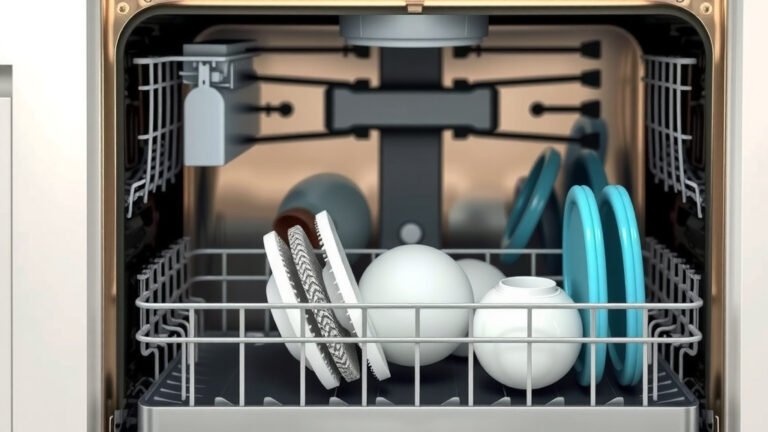
- Place a cup of white vinegar in a dishwasher-safe bowl. Put this bowl on the top rack of your empty dishwasher. Don’t pour it directly into the bottom, as it might drain out too quickly.
- Run a hot water cycle. Select the hottest water setting available on your dishwasher. A normal or heavy-duty cycle works best. The heat helps the vinegar work its magic.
- Allow the cycle to complete. Let the dishwasher finish its full cycle. This ensures the vinegar circulates thoroughly.
- Run a second hot water rinse cycle (optional). Some people like to run an additional rinse cycle. This helps wash away any lingering vinegar smell. However, most find the smell dissipates quickly.
Method 2: Using Dishwasher Cleaner
There are also commercial dishwasher cleaners available. These are specifically designed to clean and sanitize your machine. They often contain powerful degreasers and disinfectants.
What You’ll Need:
- A commercial dishwasher cleaner (tablets, powders, or liquids)
- Your empty dishwasher
Step-by-Step with Cleaner:
- Read the cleaner’s instructions. Each product might have slightly different directions. Always follow the manufacturer’s recommendations.
- Place the cleaner in the dishwasher. Some cleaners go in the detergent dispenser. Others are placed directly on the bottom of the tub. Ensure the dishwasher is empty.
- Run a hot water cycle. Use the hottest water setting your dishwasher offers. This helps activate the cleaner effectively.
- Let the cycle finish. Allow the dishwasher to complete its entire cleaning process.
Deep Cleaning Specific Parts
Sometimes, certain parts of your dishwasher need extra attention. These areas can trap debris and affect performance. Taking a few extra minutes can make a big difference.
Cleaning the Filter
The filter is usually located at the bottom of the dishwasher. It catches larger food particles. If it’s clogged, water can’t drain properly.
- Locate and remove the filter. Consult your dishwasher’s manual if you’re unsure where it is or how to remove it.
- Rinse it under warm water. Use a soft brush to gently scrub away any stuck-on food or gunk.
- Reinstall the filter. Make sure it’s securely in place before running the dishwasher.
Checking the Spray Arms
Food debris can clog the small holes in the spray arms. This prevents water from spraying out effectively.
- Inspect the spray arms. Look for any visible blockages.
- Use a toothpick or thin wire. Gently poke out any debris stuck in the holes.
- Some spray arms can be removed. If yours can, you might be able to rinse them more thoroughly under the tap.
Making Dishwasher Sanitizing a Habit
Consistency is key when it comes to keeping your dishwasher clean and efficient. Aim to incorporate these steps into your regular home maintenance routine.
Your Monthly Dishwasher Sanitize Checklist:
- Empty the dishwasher completely.
- Choose your cleaning agent (vinegar or cleaner).
- Run a hot water cycle with the agent.
- Clean out the dishwasher filter.
- Check spray arms for clogs.
- Admire your sparkling clean machine!
By following these simple steps, you ensure your dishwasher runs at its peak performance. It helps your dishes come out cleaner and keeps your kitchen smelling fresh. Think of it as a small bit of effort for a lot of sparkling rewards!
“`Conclusion
You’ve learned how simple it is to keep your dishwasher in top shape. Regular sanitizing with vinegar or a cleaner tackles grime and germs. This ensures your dishes get truly clean and your kitchen stays fresh. Don’t let a dirty dishwasher slow you down. Make it a habit to run a hot cycle with a cleaning agent and check your filter monthly. Your sparkling dishes and odor-free kitchen will thank you for it!
Frequently Asked Questions
How often should I really sanitize my dishwasher?
Most experts recommend sanitizing your dishwasher at least once a month. This frequency helps combat common issues like food buildup and bacteria growth. If you notice lingering odors or less-than-clean dishes, consider sanitizing more often.
Can I just use regular dish soap to sanitize my dishwasher?
No, regular dish soap is designed to clean dishes, not sanitize the dishwasher itself. It doesn’t have the disinfecting properties needed to kill germs and bacteria effectively. Stick to white vinegar or a dedicated dishwasher cleaner for sanitizing.
Is it safe to use vinegar every month? Will it damage my dishwasher?
Using white vinegar for sanitizing your dishwasher once a month is generally safe. Its acidity helps break down mineral deposits and kill bacteria. Over time, excessive or very frequent use *could* potentially affect rubber seals on older models, but monthly use is considered fine for most modern dishwashers.
What if my dishwasher still smells bad after sanitizing?
If odors persist after sanitizing, there might be a deeper issue. Check that the filter is completely clean and that there are no food particles stuck in the spray arms or drain area. You might need to run an extra hot cycle or consult your dishwasher’s manual for specific troubleshooting.
Can I sanitize my dishwasher with bleach instead of vinegar?
While bleach is a strong disinfectant, it’s generally not recommended for sanitizing dishwashers. The high heat and prolonged contact with metal parts in a dishwasher can cause bleach to degrade and potentially damage your appliance or emit harmful fumes. Stick to vinegar or commercial cleaners for safety and effectiveness.