Clean Your Dishwasher With Vinegar: A Simple Guide
The easiest way to clean your dishwasher with vinegar is to place a cup of white vinegar on the top rack and run a hot cycle. This simple method effectively tackles odors and mineral buildup. Vinegar is a natural and affordable cleaner.
Over time, your dishwasher can accumulate grease, grime, and hard water stains. These can reduce its efficiency and leave your dishes less than sparkling. Using vinegar regularly can help keep your appliance running smoothly and smelling fresh. It’s a fantastic way to maintain your dishwasher without harsh chemicals.
- Place 1 cup of white vinegar on the top rack.
- Run a hot water cycle.
- This cleans odors and mineral buildup.
- It’s a simple, affordable, and natural method.
Ready to get your dishwasher sparkling clean? Let’s walk through exactly how to do it step by step.
Keeping Your Dishwasher Sparkling with Vinegar
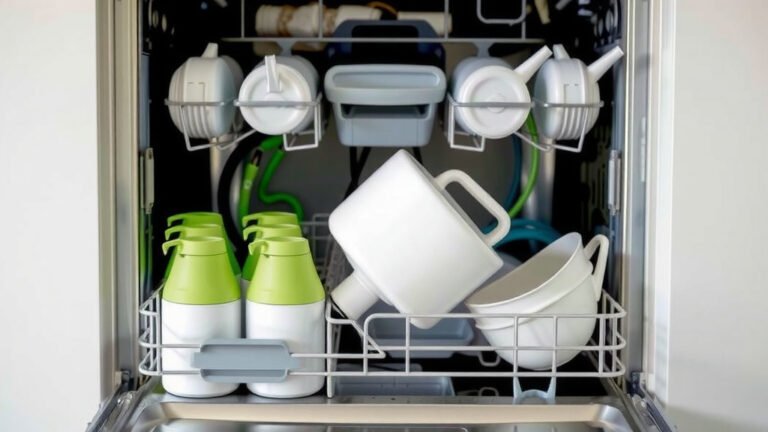
You might be surprised how much gunk can build up in your dishwasher. Over time, food particles, grease, and mineral deposits from hard water can cling to its surfaces and components. This buildup can lead to lingering odors and, more importantly, affect how well your dishes get cleaned. Fortunately, a simple, inexpensive household item can work wonders: white vinegar.
This natural cleaner is a fantastic solution for tackling those stubborn issues. We’ll guide you through the easy process of using vinegar to deep clean your dishwasher, leaving it smelling fresh and performing at its best. It’s a remarkably effective method that many households rely on.
Why Vinegar is Your Dishwasher’s Best Friend
So, why vinegar? It all comes down to its **acidic nature**. White vinegar is primarily acetic acid. This mild acid is excellent at breaking down the tough stuff that accumulates in your dishwasher.
Think of it like this: mineral deposits, often called limescale, are alkaline. Acids, like vinegar, react with alkaline substances. This reaction helps to dissolve and loosen them from the dishwasher’s interior. It’s a chemical reaction that’s incredibly useful for cleaning.
Battling Odors and Smells
Lingering food smells are a common dishwasher complaint. Vinegar is a natural deodorizer. It doesn’t just mask smells; it helps neutralize the odor-causing bacteria and residues. This leaves your appliance smelling clean and fresh, not perfumed.
Conquering Mineral Buildup
If you have hard water, you’ve likely seen white, chalky deposits. These are minerals like calcium and magnesium. They build up on everything, including your dishwasher’s racks, spray arms, and interior walls. Vinegar effectively dissolves these deposits, restoring shine and preventing clogs.
An Eco-Friendly and Affordable Choice
Beyond its cleaning power, vinegar is a winner because it’s **environmentally friendly**. It’s biodegradable and made from natural ingredients. Plus, a large bottle of white vinegar is very inexpensive. You can get a great clean without harsh chemicals or a big dent in your wallet.
Your Step-by-Step Dishwasher Cleaning Guide
Ready to give your dishwasher a spa day? It’s incredibly straightforward. You won’t need special tools or a lot of time. Let’s get started.
Step 1: Gather Your Supplies
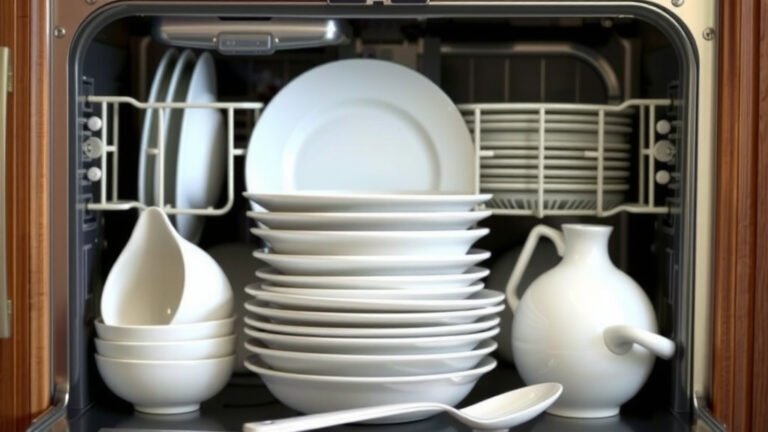
You really only need two things: a clean dishwasher and a cup of white vinegar. That’s it! Make sure your dishwasher is empty before you begin. You don’t want to accidentally wash your dishes with vinegar.
Step 2: Prepare the Vinegar
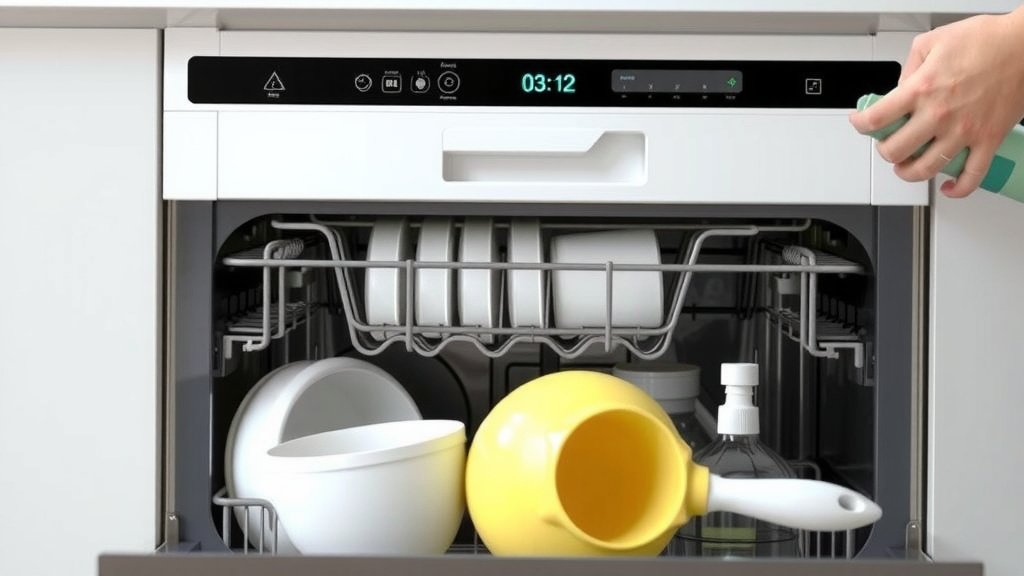
The easiest way to do this is to simply pour one cup of white vinegar into a microwave-safe bowl or a dishwasher-safe cup. Place this container on the top rack of your empty dishwasher. Ensure it’s stable and won’t tip over during the cycle.
Alternative Vinegar Placement
Some people prefer to pour the vinegar directly onto the bottom of the dishwasher. This can also be effective. However, placing it in a container on the top rack helps ensure a more even distribution of the vinegar-laden steam throughout the wash cycle. It also prevents the undiluted vinegar from sitting directly on any rubber seals for too long, which is a minor concern for some.
Step 3: Run a Hot Cycle
Now, close the dishwasher door and set it to run on a hot water cycle. The hottest setting available is best for this cleaning task. This ensures the water gets nice and hot, which helps the vinegar work its magic and circulate throughout the machine. A longer cycle can also be beneficial.
Step 4: Let the Cycle Complete
Allow the dishwasher to run through its entire cycle. Once it’s finished, resist the urge to open the door immediately. Let it sit closed for a little while longer. This allows any remaining steam and vinegar vapors to continue breaking down grime and odors.
Step 5: Inspect and Admire
After the cycle is complete and the dishwasher has sat for a bit, open the door. You should notice a significant reduction in any odors. Take a look inside; the interior surfaces should appear cleaner and shinier. Wipe down any remaining spots with a clean cloth if needed.
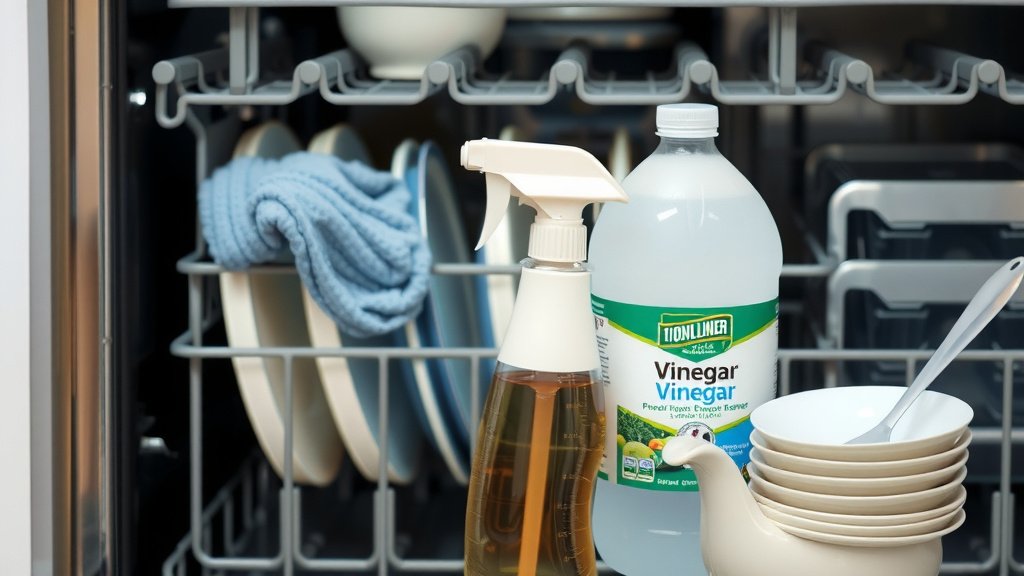
Deep Cleaning for Stubborn Buildup
If your dishwasher is particularly grimy or has visible limescale, a single vinegar cycle might not be enough. For a more intensive clean, you can repeat the process or add a second step.
Repeating the Vinegar Cycle
For tough jobs, you can simply repeat the vinegar cleaning process. Run another hot cycle with a cup of vinegar as described above. Sometimes, a double dose is all it takes to break down stubborn residue.
Tackling Spray Arms and Filters
Sometimes, clogs in the spray arms or the filter can prevent dishes from getting clean. After running a vinegar cycle, you might want to manually clean these parts. Many dishwasher filters are removable. You can rinse them under running water and use an old toothbrush to scrub away any debris. Similarly, check the spray arm holes for blockages and gently clear them with a toothpick or a small wire. This can make a big difference in performance (Cleveland Clinic).
| Task | Frequency |
|---|---|
| Empty Dishwasher | Before cleaning |
| Add Vinegar | Place 1 cup in a bowl on the top rack |
| Select Hot Cycle | Use the hottest setting |
| Run Full Cycle | Let it complete |
| Let it Sit | Allow it to cool slightly after cycle |
| Inspect and Wipe | Check for cleanliness, wipe as needed |
How Often Should You Clean Your Dishwasher?
Consistency is key to keeping your dishwasher in top shape. For most households, running a vinegar cleaning cycle once a month is sufficient. This regular maintenance helps prevent the buildup of odors and mineral deposits before they become major problems. If you have very hard water or notice your dishes aren’t coming out as clean, you might consider doing it more frequently, perhaps every two weeks.
Conclusion
You’ve learned how easy it is to give your dishwasher a refresh with just a cup of white vinegar. This simple, natural method tackles stubborn odors and mineral buildup, making your appliance run more efficiently. By incorporating this vinegar cleaning routine into your monthly maintenance, you ensure your dishes come out sparkling clean without resorting to harsh chemicals. So, go ahead and try this affordable trick – your dishwasher (and your dishes) will thank you!
Frequently Asked Questions
Can I use apple cider vinegar instead of white vinegar?
While apple cider vinegar has some cleaning properties, it’s best to stick with plain white vinegar for cleaning your dishwasher. White vinegar has a higher acidity level that’s more effective at breaking down mineral deposits and odors in your appliance. Apple cider vinegar can sometimes leave a sticky residue.
Will vinegar damage my dishwasher’s rubber seals?
Using a cup of vinegar for a regular cleaning cycle is generally safe for your dishwasher’s rubber seals. The vinegar is diluted by the water and doesn’t sit on the seals for an extended period. If you’re concerned, you can pour the vinegar into a bowl on the top rack instead of directly on the bottom to ensure minimal contact.
How often should I clean my dishwasher with vinegar?
For most households, cleaning your dishwasher with vinegar once a month is sufficient to keep it fresh and functioning well. If you have particularly hard water or notice a buildup of grime and odors more quickly, you might want to do it every two weeks.
What if my dishwasher still smells after a vinegar cleaning?
If odors persist, you might need a deeper clean. Ensure you’re running the hottest water cycle possible. For tough smells, you could try repeating the vinegar cycle or cleaning out the dishwasher’s filter and spray arms manually, as these can trap food particles and cause smells.
Can I add detergent along with the vinegar?
It’s best not to mix detergent with vinegar during the cleaning cycle. The goal of the vinegar cycle is to clean the machine itself, not the dishes. Adding detergent might counteract the vinegar’s cleaning power or lead to excess suds. Run the vinegar cycle on an empty dishwasher before your regular dishwashing runs.