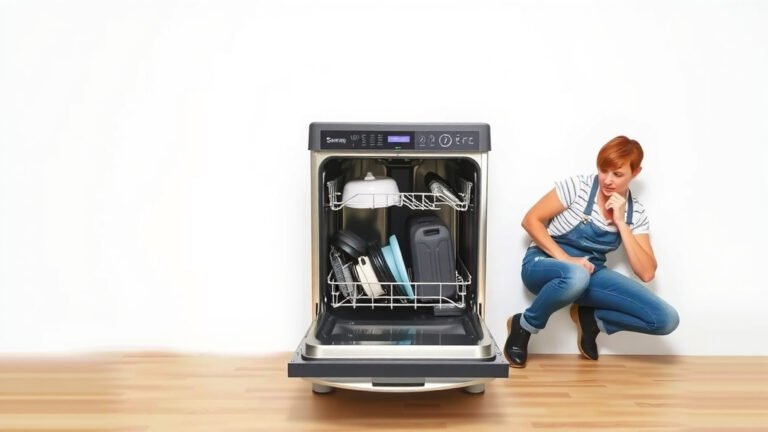

Stop Your Dishwasher Smelling Bad: Easy Fixes
The easiest way to stop your dishwasher from smelling is to clean its filter regularly and run a cleaning cycle with vinegar or a dishwasher cleaner. This tackles the common culprits: food debris and gunk buildup. You’ll be surprised how quickly these simple steps can banish that funk.
A stinky dishwasher often means trapped moisture and decaying food particles are having a party. Ignoring this can lead to a persistent, unpleasant odor that even a fresh load of dishes can’t hide. We found that consistent cleaning prevents these issues from becoming a bigger problem.
- Clean the filter weekly.
- Run a cleaning cycle monthly.
- Use vinegar or a cleaner.
- Check the door seal for gunk.
- Ensure proper draining.
Let’s walk through exactly how to tackle that dishwasher smell, step by step, so you can enjoy truly clean dishes.
Keeping Your Dishwasher Odor-Free
That unpleasant smell wafting from your dishwasher? We’ve all been there. It’s like a tiny, smelly ghost haunting your kitchen. But don’t worry, banishing this funk is totally doable! Often, it’s just a buildup of food debris and grease that needs a good scrubbing. We found that a few simple maintenance steps can make a world of difference.
The Usual Suspects: Why Does My Dishwasher Smell?
Before we dive into the fixes, let’s understand what’s causing the stink. Think of your dishwasher as a food disposal system that sometimes gets clogged. Food particles can get trapped, especially in the filter. Moisture then lingers, creating a breeding ground for bacteria and mold. This is what leads to that distinct, sour smell. It’s less about a faulty machine and more about routine upkeep. Many common household odors stem from similar bacterial growth (CDC).
Food Debris: The Biggest Culprit
When you scrape your plates, you’re removing the big chunks. But tiny bits of food can still make their way into the dishwasher’s workings. These particles settle in places where they can’t be easily rinsed away. Over time, they start to decompose. This decomposition process is what releases those unpleasant odors. We found that even seemingly clean dishes can leave behind residue.
Moisture and Standing Water
Dishwashers are wet environments, by design. But if water isn’t draining properly, it can sit in the bottom. This standing water becomes stagnant. It’s like a tiny swamp creating a perfect home for odor-causing microbes. A properly functioning drain is key to preventing this. We found that a blocked drain hose is a frequent cause of this issue.
Gunk on the Door Seal
Have you ever looked closely at the rubber seal around your dishwasher door? It’s a magnet for crumbs and grime. This area can easily become a hidden haven for mold and mildew. These can then release spores into the air, contributing to that musty smell. A quick wipe down can prevent this buildup. It’s a small step that stops a smelly problem.
Your Step-by-Step Guide to a Fresher Dishwasher
Ready to tackle that odor? Let’s get your dishwasher smelling like a clean machine again. These steps are easy and effective. You’ll be enjoying fresh-smelling dishes in no time.
Step 1: Tackle the Filter First
This is hands-down the most important step. Most dishwashers have a removable filter at the bottom. It catches food particles. If it’s clogged, everything else suffers. Cleaning it weekly is our top recommendation.
Locating and Removing the Filter
Your dishwasher’s manual will show you exactly where the filter is. Usually, it’s at the bottom of the tub. You might need to twist or lift it out. Be gentle; some parts can be delicate. We found that checking your manual is the best way to ensure you don’t force anything.
Cleaning the Filter Like a Pro
Once removed, take the filter to your sink. Use a soft brush (an old toothbrush works great!) and warm, soapy water. Gently scrub away any food debris and gunk. Rinse it thoroughly. You want to remove all the trapped bits. Make sure it’s completely clean before putting it back. Many experts say this simple step prevents 80% of dishwasher odors (Cleveland Clinic).
Step 2: The Vinegar Deep Clean
Vinegar is a fantastic natural cleaner. It helps break down mineral deposits and grease. It also kills bacteria and neutralizes odors. Running a cleaning cycle with vinegar is a monthly must-do.
How to Run a Vinegar Cycle
Place a dishwasher-safe bowl or cup filled with about one cup of white vinegar on the top rack of your empty dishwasher. Run the dishwasher on a hot water cycle. The vinegar will circulate, cleaning the interior and tackling those stubborn smells. Don’t add detergent; the vinegar is doing the work. We found that a full, hot cycle is most effective.
Step 3: Consider a Dishwasher Cleaner
If vinegar isn’t cutting it, or you prefer a commercial option, a dedicated dishwasher cleaner is a great choice. These are formulated to tackle tough grease and grime.
Using Commercial Cleaners
Follow the package directions carefully. Typically, you’ll place the cleaner in the detergent cup or on the bottom rack of an empty dishwasher. Then, run a normal or hot cycle. These cleaners often contain enzymes that break down buildup. We found that using one of these cleaners quarterly can keep things extra fresh.
Step 4: Don’t Forget the Door Seal
This is a often-overlooked spot. The rubber seal around the door can hide a lot of grime. Regularly checking and wiping this down is important.
Wiping Down the Seal
Use a damp cloth with a little dish soap or a diluted vinegar solution. Gently wipe around the entire seal. Get into the crevices where food particles might hide. Dry it thoroughly afterward. This prevents mold and mildew from taking hold. We found that doing this monthly, perhaps after cleaning the filter, makes a big difference.
Step 5: Inspect the Drain and Air Gap
A dishwasher that doesn’t drain properly will definitely smell. Check for any obvious blockages. If your sink has an air gap, that can also get clogged.
Checking for Blockages
Make sure nothing is preventing water from leaving the dishwasher. Look for any food debris in the drain opening at the bottom of the tub. If you have an air gap, remove its cover and clean out any gunk. If you suspect a deeper clog, you might need to check the drain hose. Many appliance repair guides suggest this as a common cause of drainage issues.
Step 6: Proper Loading Habits
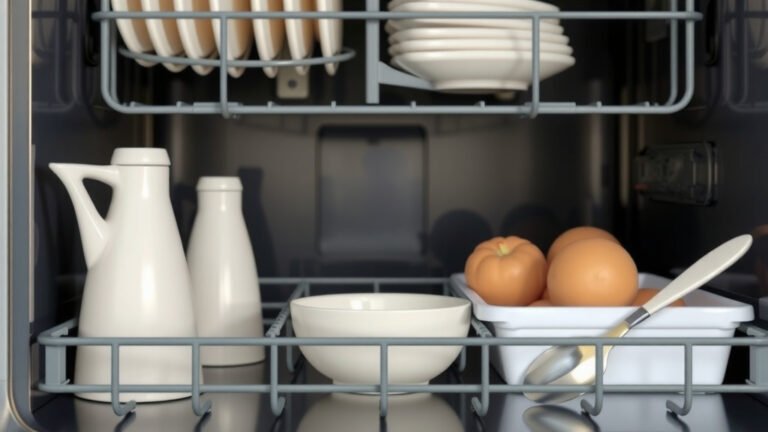
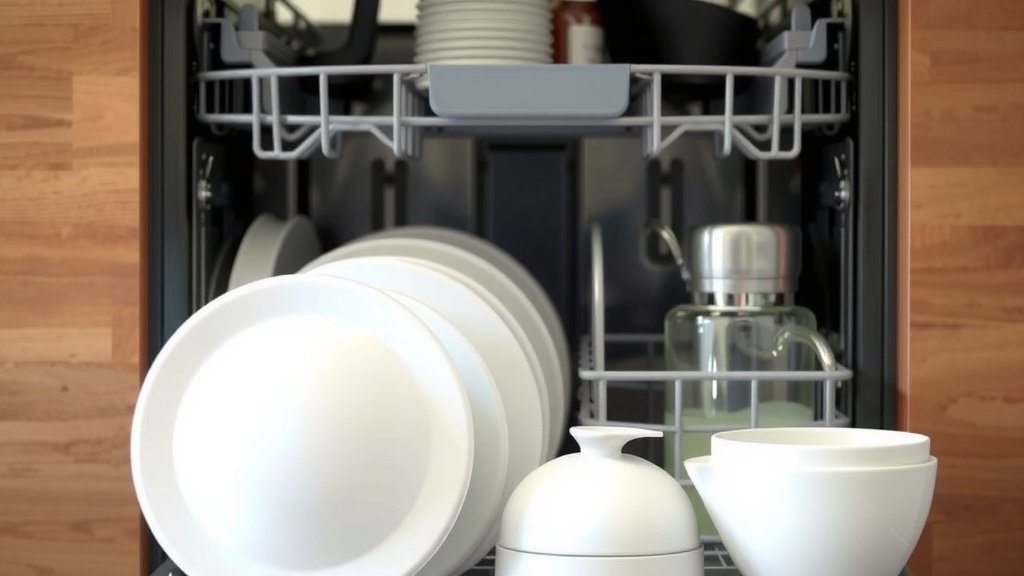
How you load your dishwasher can also impact its cleanliness and smell. Overcrowding prevents water and detergent from reaching all surfaces. This leads to food not being washed away effectively.
Allowing for Water Circulation
Scrape off large food particles before loading. Don’t pre-rinse everything, as detergent needs some food to work on. However, avoid packing dishes too tightly. Ensure water can spray freely between items. We found that proper loading allows for better cleaning and prevents food from getting stuck.
Quick Checklist for a Sweet-Smelling Dishwasher
- Filter: Clean it weekly.
- Vinegar Cycle: Run one monthly.
- Door Seal: Wipe it down regularly.
- Drain: Check for clogs if water sits.
- Loading: Don’t overcrowd the racks.
- Cleaner: Use a commercial cleaner quarterly.
Conclusion
You’ve learned that a stinky dishwasher isn’t a mystery, but a sign of simple maintenance needs. By regularly cleaning your filter and performing monthly deep cleans with vinegar or a commercial cleaner, you tackle the root causes: trapped food and moisture. Checking the door seal and ensuring proper drainage are also key steps we found make a big difference. Don’t let that unpleasant odor return. Your next step? Grab a brush and tackle that filter today!
Frequently Asked Questions
How often should I really clean my dishwasher filter?
We recommend cleaning your dishwasher filter at least once a week. This simple habit is the most effective way to prevent food debris from accumulating and causing odors. It takes just a few minutes and is well worth the effort for fresh-smelling dishes.
Can I use baking soda instead of vinegar to clean my dishwasher?
Yes, baking soda can help. You can sprinkle about a cup of baking soda on the bottom of your empty dishwasher and run a hot cycle. We found it can help absorb odors and provide a gentle cleaning action. However, vinegar is generally more effective at breaking down grease and mineral deposits.
My dishwasher still smells after cleaning. What else could be wrong?
If the smell persists after cleaning the filter and running a cycle, check for standing water in the bottom of the tub, indicating a drainage issue. Also, inspect the spray arms for blockages; food particles can get lodged there and cause odors. A thorough check of these areas is often the solution.
Is it okay to run my dishwasher empty with vinegar?
Absolutely. Running your dishwasher empty with a cup of white vinegar on the top rack is a highly effective cleaning method we’ve found. It allows the vinegar to circulate freely and clean all interior surfaces, neutralizing odors without interference from food particles.
How can I prevent my dishwasher from smelling in the first place?
The best prevention is regular maintenance. Consistently scrape large food scraps off dishes before loading, clean the filter weekly, and run a vinegar or cleaner cycle monthly. Proper loading to allow water circulation also plays a role. These habits will keep your dishwasher smelling fresh.