How to Clean Your Dishwasher for Better Results
The easiest way to clean your dishwasher is to run an empty cycle with a cup of white vinegar or a dishwasher cleaner. This helps remove grease and mineral buildup. You should aim to do this about once a month to keep your dishwasher running smoothly and your dishes sparkling.
A dirty dishwasher can leave your dishes less than spotless. Food particles and limescale can build up over time. Keeping your appliance clean means you’ll avoid smelly odors and ensure your dishes are properly sanitized. Many experts recommend regular dishwasher cleaning for optimal performance and hygiene.
- Run an empty cycle with vinegar or cleaner.
- This tackles grease and mineral deposits.
- Aim for this once a month.
- It prevents odors and improves cleaning.
Let’s walk through exactly how to give your dishwasher a much-needed spa day, step by step.
Giving Your Dishwasher a Deep Clean
You might think your dishwasher magically cleans itself while it cleans your plates. That’s not quite the case! Over time, food particles, grease, and mineral deposits can build up inside. This can lead to fewer sparkling dishes and even some unpleasant smells. So, how do you get it truly clean? We’ve got a simple, step-by-step guide.
Cleaning the Dishwasher Filter: Your First Line of Defense
Many experts agree that the filter is the dirtiest part of your dishwasher. It catches all the big bits of food. If it’s clogged, your dishwasher can’t drain properly. This means dirty water can sit around. Cleaning it is usually quite simple.
Locating and Removing the Filter
First, you’ll need to find your dishwasher’s filter. It’s typically located at the bottom of the dishwasher tub. Check your owner’s manual if you’re unsure. Most filters have two parts: a coarse mesh filter and a fine microfilter. You’ll usually need to twist or lift them out. Be gentle so you don’t break anything.
Washing the Filter
Once removed, take the filter to your sink. You can rinse it under warm running water. Use a soft brush, like an old toothbrush, to scrub away any stuck-on food or gunk. For stubborn grime, a little bit of dish soap can help. Make sure to rinse it thoroughly. You want all the soap gone before putting it back.
Reassembling the Filter
After it’s clean and dry, put the filter back where it belongs. Make sure it’s securely in place. A loose filter won’t do its job correctly. You should aim to clean your filter about once a month, or more often if you notice any issues.
Scrubbing Down the Interior: Banishing Buildup
Now that the filter is handled, let’s tackle the rest of the inside. You’ll want to address any visible grime, especially around the door seal and spray arms.
Cleaning the Door Seal and Edges
The rubber or plastic seal around your dishwasher door can collect food bits and mold. This is a common place for gunk to hide. Use a damp cloth and a little bit of vinegar or mild soap. Wipe down the entire seal. Don’t forget the crevices where moisture can linger. A clean seal helps keep water inside and prevents leaks.
Unclogging the Spray Arms
Your spray arms have small holes that shoot water onto your dishes. If these holes get clogged with mineral deposits or food particles, your dishes won’t get clean. You can often remove the spray arms by twisting or unscrewing them. Use a toothpick or a small pin to poke out any debris from the holes. Some spray arms can be cleaned in place by running a cycle with vinegar.
The Vinegar Soak: A Natural Powerhouse
White vinegar is a fantastic, natural cleaner for dishwashers. It helps break down grease and mineral deposits, like limescale. Many sources suggest it as an effective, budget-friendly option (CDC). It also helps to deodorize.
Setting Up the Vinegar Cleanse
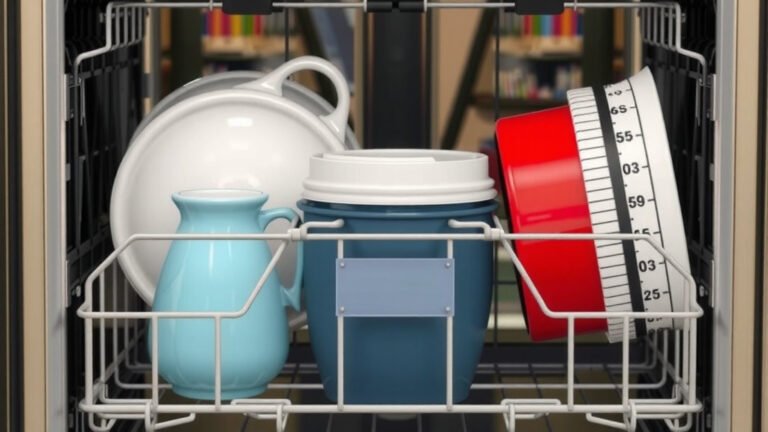
This is the step mentioned in the intro! Place one cup of white vinegar in a dishwasher-safe bowl or measuring cup on the top rack of your empty dishwasher. Make sure there are no dishes inside. You don’t want your dishes soaking in vinegar!
Running the Vinegar Cycle
Run your dishwasher on a normal cycle or a hot water cycle. The hot water will help the vinegar circulate and work its magic. You might notice a slight vinegar smell during the cycle, but it should dissipate quickly. This process helps to descale and clean the interior surfaces.
Using Commercial Dishwasher Cleaners: An Alternative Method
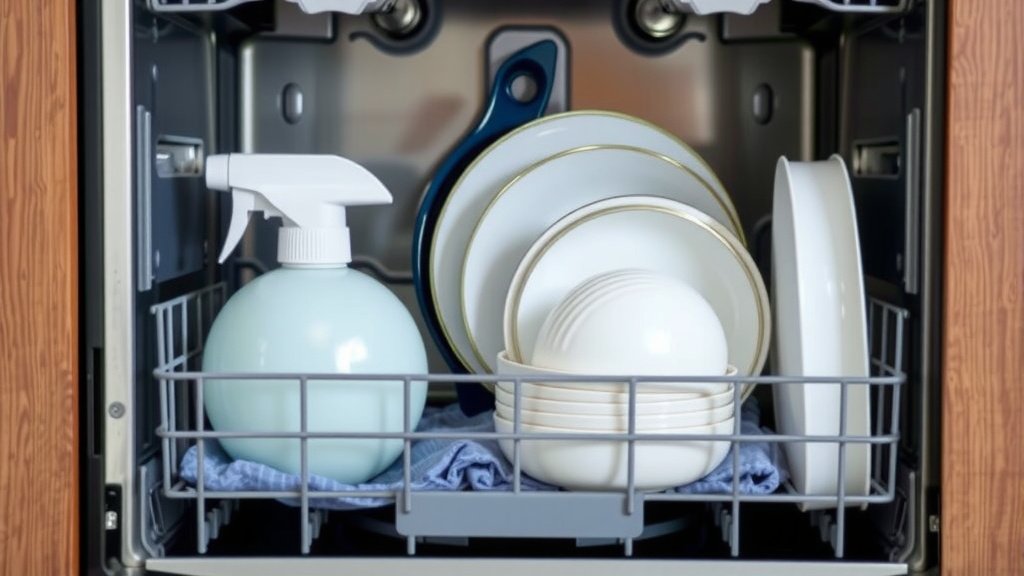
If vinegar isn’t your preference, or you want a specialized solution, commercial dishwasher cleaners are readily available. These are formulated to tackle tough buildup and leave your machine fresh. Many of these cleaners are designed to be used in an empty dishwasher.
Choosing and Using a Cleaner
Read the instructions on the product carefully. Most cleaners are placed in the detergent dispenser or directly on the bottom of the dishwasher. Then, run an empty cycle, usually on a hot setting. These cleaners often target mineral deposits and grease buildup effectively. They can be a good option for a thorough cleaning. Research from consumer reports often finds these cleaners effective for removing odors and grime.
Don’t Forget the Exterior!
Your dishwasher’s exterior needs a wipe-down too. The outside can get smudged and dusty. A damp cloth with a little mild cleaner will do the trick. Pay attention to the control panel and handle. A clean exterior makes your whole kitchen look better.
Cleaning Stainless Steel or Other Finishes
For stainless steel exteriors, use a cleaner specifically designed for it, or a mixture of water and a few drops of mild dish soap. Always wipe in the direction of the grain. For other finishes, a general-purpose cleaner or a damp microfiber cloth is usually sufficient. Avoid abrasive cleaners that can scratch the surface.
Quick Dishwasher Maintenance Checklist
To keep your dishwasher running like a champ, try to incorporate these simple steps into your routine:
- Check and clean the filter monthly.
- Wipe down the door seal regularly.
- Run an empty vinegar cycle monthly.
- Clear any blockages in the spray arms if needed.
- Wipe down the exterior as needed.
| Task | Frequency | What It Does |
|---|---|---|
| Clean Filter | Monthly | Removes trapped food particles, improves drainage. |
| Wipe Door Seal | Bi-weekly | Prevents mold and mildew buildup. |
| Vinegar/Cleaner Cycle | Monthly | Removes grease, limescale, and odors. |
| Clean Spray Arms | As needed | Ensures proper water spray for clean dishes. |
| Wipe Exterior | Weekly | Keeps the appliance looking clean and new. |
By following these steps, you’ll ensure your dishwasher is not only clean but also performs at its best. Your dishes will thank you with extra sparkle!
Conclusion
Keeping your dishwasher clean doesn’t have to be a chore. You’ve learned how to tackle the filter, scrub away buildup, and utilize the natural cleaning power of vinegar or effective commercial cleaners. Regular maintenance, like a quick wipe of the door seal and clearing spray arm holes, ensures your appliance runs efficiently. By following these simple steps, you’ll ensure your dishes come out sparkling clean and your dishwasher stays fresh and odor-free. Make it a habit, and your dishwasher will thank you with sparkling results every time!
Frequently Asked Questions
Can I just run a vinegar cycle without cleaning the filter first?
While a vinegar cycle is great for cleaning, it won’t effectively remove large food particles. Cleaning the filter first ensures that debris is removed before the cycle runs, preventing potential clogs and allowing the vinegar to better reach internal surfaces.
How often should I really clean my dishwasher?
For most households, cleaning the filter and running an empty vinegar or cleaner cycle once a month is sufficient. More frequent use or noticing odors or residue on dishes might mean you need to clean it more often, perhaps bi-weekly.
Will cleaning my dishwasher make my dishes cleaner?
Yes, absolutely. A clean dishwasher ensures that water can spray effectively and reach all surfaces of your dishes. Buildup in the filter or spray arms can prevent proper cleaning, leaving behind food particles and film.
Is it safe to use bleach to clean my dishwasher?
It’s generally not recommended to use bleach in your dishwasher. Bleach can damage the stainless steel interior and rubber seals over time. White vinegar or specialized dishwasher cleaners are safer and more effective for routine cleaning.
What if my dishwasher still smells bad after cleaning?
If odors persist after a thorough cleaning, check the drain hose for blockages, as trapped dirty water can cause smells. You might also consider running a specialized dishwasher cleaner designed for odor removal, as these can tackle tougher microbial buildup than vinegar alone.