Fix Your Smelly Dishwasher: Common Causes Explained
Your dishwasher might be smelling bad because of **food debris**, **grease buildup**, or even **mildew**. These common culprits often hide in the filter, spray arms, and door seals. Addressing them is usually a quick fix.
When that unpleasant odor fills your kitchen after a wash cycle, it’s usually a sign that something is lurking inside your machine. Ignoring it can lead to tougher cleaning jobs later. We’ve researched why this happens and how to get your dishwasher smelling fresh again.
- Food particles clog the filter.
- Grease coats the interior surfaces.
- Standing water breeds mildew.
- Hard water deposits can trap odors.
- A dirty drain can also cause smells.
Let’s walk through exactly how to tackle that bad dishwasher smell and get it smelling like a spring breeze again.
The Mystery of Your Smelly Dishwasher Solved
That lingering unpleasant odor after your dishwasher runs can be quite baffling. You expect sparkling clean dishes, not a kitchen that smells like a forgotten science experiment. We understand how frustrating that can be! Fortunately, the reasons behind a smelly dishwasher are usually quite common and manageable. Let’s get to the bottom of this mystery and restore freshness to your appliance.
Why That Unpleasant Aroma Lingers
Several common culprits can cause your dishwasher to emit foul odors. These aren’t usually signs of a major malfunction, but rather indicators that your machine needs a good cleaning. Think of it as your dishwasher politely asking for a spa day!
The Culprit: Trapped Food Particles
Your dishwasher works hard to remove food from your dishes. Sometimes, however, small food particles escape the initial rinse and get caught in the nooks and crannies of the machine. We found that these particles can start to decompose, creating that unmistakable smell.
Where Food Hides
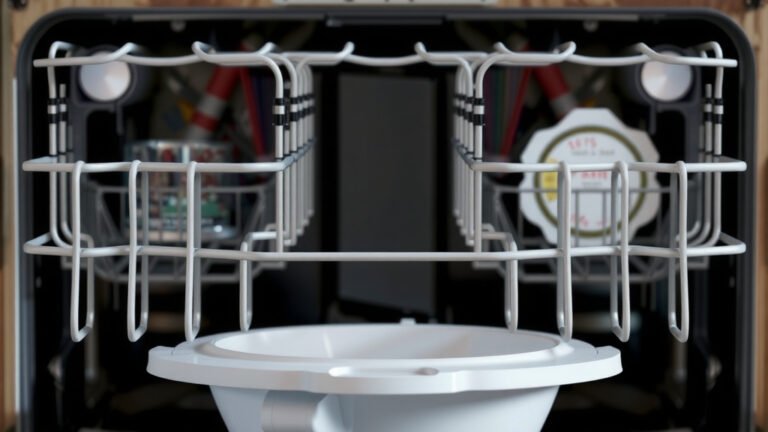
The most common hiding spots for food debris are the dishwasher filter and the spray arms. The filter is designed to catch these bits, but it needs regular cleaning to do its job effectively. If it’s clogged, water flow is reduced, and trapped food starts to go bad. The spray arms have small holes; sometimes, tiny food scraps can wedge themselves in there, preventing proper water circulation and leading to odors.
Grease Buildup: A Slippery Situation
Over time, grease from your dishes can build up on the interior surfaces of the dishwasher. This greasy film provides a breeding ground for odor-causing bacteria. We found that even with detergent, some grease can remain, especially if you rinse your dishes too thoroughly before loading them.
The Underside and Door Seal
Pay special attention to the bottom of the dishwasher tub and the door seal. These areas are prone to collecting grease and food residue. A greasy door seal, in particular, can trap moisture and bits of food, creating a perfect environment for smells to develop.
The Damp Environment: Mildew and Mold
Dishwashers are damp environments, which can be an invitation for mildew and mold if not managed properly. Standing water, often found at the bottom of the tub or in the drain area, is a primary cause of these unpleasant organisms. Many experts point to mildew as a significant contributor to that musty, stale smell many people experience (Cleveland Clinic).
What Causes Standing Water?
Standing water can occur for a few reasons. A clogged drain hose or a malfunctioning drain pump can prevent water from fully emptying. Even a slightly off-kilter dishwasher can allow water to pool. When this stagnant water sits, especially in warmer temperatures, mold and mildew can quickly take hold.
Hard Water Woes
If you live in an area with hard water, mineral deposits can accumulate inside your dishwasher. These deposits can trap food particles and bacteria, contributing to odors. Hard water buildup can also create a rough surface where more grime can cling, making cleaning more challenging.
The Impact of Mineral Deposits
These mineral deposits, often appearing as white or chalky residue, can coat the heating elements, spray arms, and interior walls. They effectively act like tiny sponges, soaking up and holding onto smells. We found that regular cleaning can help mitigate the effects of hard water.
A Dirty Drain Can Spoil the Batch
The drain system of your dishwasher is crucial for removing dirty water. If the drain filter is clogged, or if there’s a buildup in the drain hose itself, dirty water can sit and stagnate. This is a prime breeding ground for bacteria and can cause significant odors.
Checking the Drain Filter and Hose
The drain filter is usually located at the bottom of the dishwasher tub. If it’s full of gunk, it needs to be cleaned. If the smell persists after cleaning the filter, the issue might be further down the line, potentially in the drain hose connecting to your sink’s plumbing. This can be a bit more involved to clean, but it’s often the source of persistent smells.
Your Quick-Fix Checklist for a Fresher Dishwasher
Ready to tackle that odor head-on? Here’s a simple checklist to get your dishwasher smelling like new again. You might be surprised at how quickly you can make a difference!
- Clean the dishwasher filter thoroughly.
- Wipe down the door seals with a damp cloth.
- Run an empty hot cycle with vinegar or a dishwasher cleaner.
- Check and clean the spray arms.
- Ensure the dishwasher drains properly after a cycle.
Deep Cleaning Steps: Restoring Freshness
Now that you know what causes the smells, let’s walk through how to get rid of them. A little elbow grease goes a long way!
Step 1: The Filter – Your First Line of Defense
This is often the biggest offender. Locate your dishwasher’s filter (usually at the bottom of the tub). Most are removable. Gently twist and pull it out. You’ll likely find a collection of food debris. Rinse it under warm water, using an old toothbrush to scrub away any stubborn bits. Many experts recommend doing this weekly or bi-weekly (CDC).
Step 2: Spray Arms and Interior Wipe-Down
Use a damp cloth to wipe down the interior walls, the door, and especially the door seal. Pay attention to any visible gunk. You can often remove the spray arms by unscrewing them. Check the small holes for clogs and use a toothpick or a small brush to clear them.
Step 3: The Vinegar or Baking Soda Wash
Once you’ve manually cleaned the parts, it’s time for a deeper clean of the machine itself. Place a cup of white vinegar on the top rack of your empty dishwasher. Run a hot water cycle. The vinegar will help to break down grease and deodorize the interior. Alternatively, sprinkle baking soda on the bottom of the dishwasher and run a short hot cycle.
Step 4: Specialized Dishwasher Cleaners
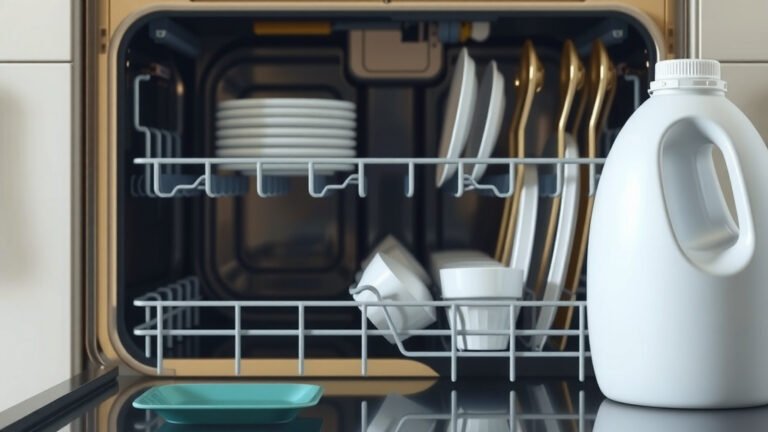
For a more potent clean, consider using a commercial dishwasher cleaner. These products are specifically designed to tackle tough grease, grime, and odors. Follow the product instructions carefully. We found these can be very effective for persistent smells.
Preventing Future Odors: A Proactive Approach
Keeping your dishwasher smelling fresh is easier with a few good habits. Think of these as maintenance steps to prevent future problems.
Scrape, Don’t Rinse (Mostly)
Modern dishwashers and detergents are designed to handle food residue. You don’t need to thoroughly rinse your dishes. Just scrape off large chunks of food. Excessive rinsing can actually wash away food particles that help detergent work effectively and can leave a residue that contributes to smells.
Run Hot Cycles Regularly
Hot water is excellent at breaking down grease and killing bacteria. Running your dishwasher on a hot setting regularly, especially with a load of heavily soiled dishes, can help prevent buildup. We found that using the “sanitize” option, if available, is even better.
Leave the Door Ajar After Use
Allowing the interior to air out after a cycle can significantly reduce the risk of mildew and mold. After the dishes are dry, you can leave the door slightly ajar. This helps moisture escape and prevents that stagnant, damp smell from developing.
Regular Filter Checks are Key
Making a habit of checking and cleaning your dishwasher filter once a month can prevent most odor issues before they start. It’s a small task that yields big results in keeping your appliance smelling fresh and running efficiently.
Conclusion
You’ve learned that a smelly dishwasher is usually due to common issues like trapped food, grease, mildew, or hard water. These problems aren’t permanent and can be fixed with regular cleaning and simple maintenance habits. We found that cleaning your filter, running hot cycles, and airing out the machine are key steps. By implementing these tips, you can keep your dishwasher smelling fresh and your kitchen smelling pleasant. Make cleaning your filter a monthly habit to prevent future odors.
Frequently Asked Questions
How often should I clean my dishwasher filter?
We recommend cleaning your dishwasher filter at least once a month. If you notice odors or your dishwasher isn’t cleaning well, clean it more often. This simple task prevents most smell-related issues.
Can I use regular dish soap in my dishwasher?
No, you should never use regular dish soap in your dishwasher. It creates too many suds, which can overflow and damage your appliance. Always use detergent specifically designed for dishwashers.
Why does my dishwasher smell like rotten eggs?
A rotten egg smell is often caused by sulfur-producing bacteria. These bacteria thrive in damp environments with food debris. Regularly cleaning the filter and running hot cycles with a dishwasher cleaner can help eliminate this odor.
Is it okay to leave my dishwasher door open after a cycle?
Yes, leaving the door slightly ajar after a cycle is a great habit. It allows moisture to escape, preventing the buildup of mildew and mold. This helps keep the interior dry and odor-free.
My dishwasher still smells after cleaning. What else could it be?
If cleaning the filter and running a hot cycle doesn’t help, check the spray arms for clogs. You may also have standing water due to a drain hose issue. Consider running a cycle with a commercial dishwasher cleaner for a deeper clean.