Load Your Dishwasher Properly for a Sparkling Clean
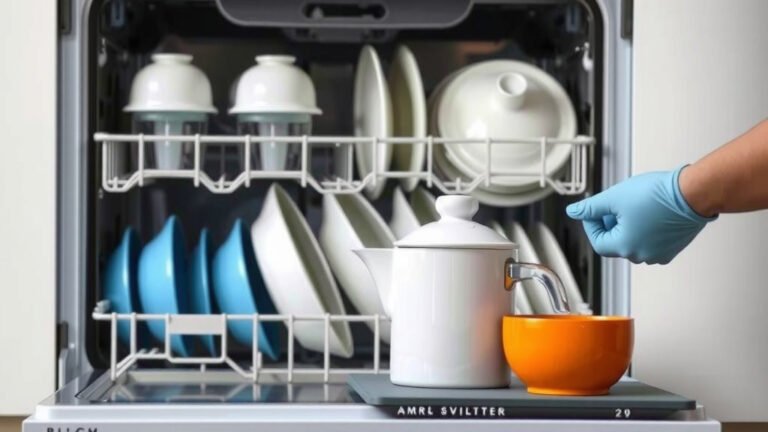
The secret to a sparkling clean dishwasher load is all about strategic placement. You should always start by scraping off large food particles and then arranging dishes so water and soap can reach all surfaces. Placing larger, dirtier items on the bottom rack and smaller, more delicate ones on the top helps ensure everything gets thoroughly cleaned without damage.
Proper loading isn’t just about cleanliness; it’s also about maximizing your dishwasher’s efficiency. Overcrowding can prevent water from reaching all the dishes, leading to re-washing. We found that understanding the different zones of your dishwasher is key to getting the best results every time you run a cycle.
- Scrape off big food bits first.
- Load larger items on the bottom rack.
- Put smaller items and glasses on the top rack.
- Don’t overcrowd the machine for better cleaning.
- Face soiled surfaces towards the spray arms.
Let’s walk through exactly how to load your dishwasher for optimal results, ensuring every dish comes out spotless.
Mastering Your Dishwasher Loading Technique
So, you’ve got a dishwasher, but are you getting the most out of it? Proper loading is the secret. It’s not just about fitting more dishes in. It’s about making sure every single piece comes out spotless. We’ve found that a little strategy goes a long way. Let’s learn how to arrange your dishes for a truly clean result.
Prep Work: The Foundation of Clean Dishes
Before you even think about placement, a little prep makes a big difference. Most manufacturers recommend pre-rinsing, but research suggests this isn’t always necessary. Modern dishwashers and detergents are powerful. They need some food soil to work effectively (National Sanitation Foundation).
Scraping vs. Rinsing: What’s the Difference?
The main thing is to remove large chunks of food. Think about what could clog the drain or filter. A quick scrape with a spatula or your hand is usually enough. You don’t need to scrub every plate until it shines. Save that energy for enjoying your day!
The Bottom Rack: Powerhouse for Pots and Pans
This is where the heavy lifting happens. The spray arm at the bottom provides the most powerful jets. You want to place your dirtiest, bulkiest items here. This includes pots, pans, casserole dishes, and large plates.
Strategic Placement for Maximum Cleanliness
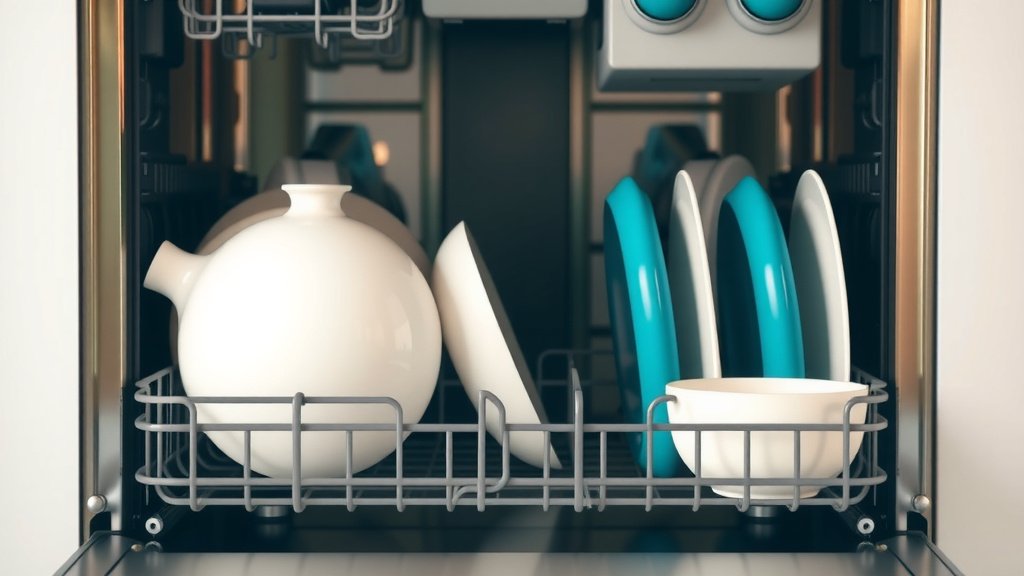
Always face the soiled surfaces downwards, towards the spray arm. This allows the water to blast away grease and grime directly. Don’t let items nestle too closely together. They need space for the water to circulate. Imagine a car wash; the water needs to reach every inch.
Handling Heavily Soiled Items
For baked-on food, consider pre-soaking the item in hot, soapy water before loading. This can save your dishwasher some serious strain. Research from appliance experts often points to this as a helpful step for tough messes.
What NOT to Put on the Bottom Rack
Delicate items should steer clear of this powerful zone. Things like plastic containers (unless dishwasher-safe and heat-resistant) can warp. Also, avoid placing large utensils vertically in the utensil basket. They can block the spray arm from reaching other dishes.
The Top Rack: Gentle Care for Delicate Items
The top rack is your go-to for more fragile and smaller items. The water pressure here is gentler. It’s perfect for glasses, mugs, small bowls, and plastic items that are top-rack safe.
Glasses and Mugs: Sparkling Without Spots
Place glasses and mugs upside down over the tines. This ensures they fill with water and drain properly. Make sure they aren’t touching each other. If they are, water can pool, leading to spots. Many found that angling them slightly helps with drainage.
Small Bowls and Plastics: Secure and Stable
Small bowls can be placed upside down between the tines. Ensure they are secure and won’t tip over. Lighter plastic items might need to be weighted down or placed carefully so they don’t flip and fill with water. Check your dishwasher manual for specific guidance on plastic items.
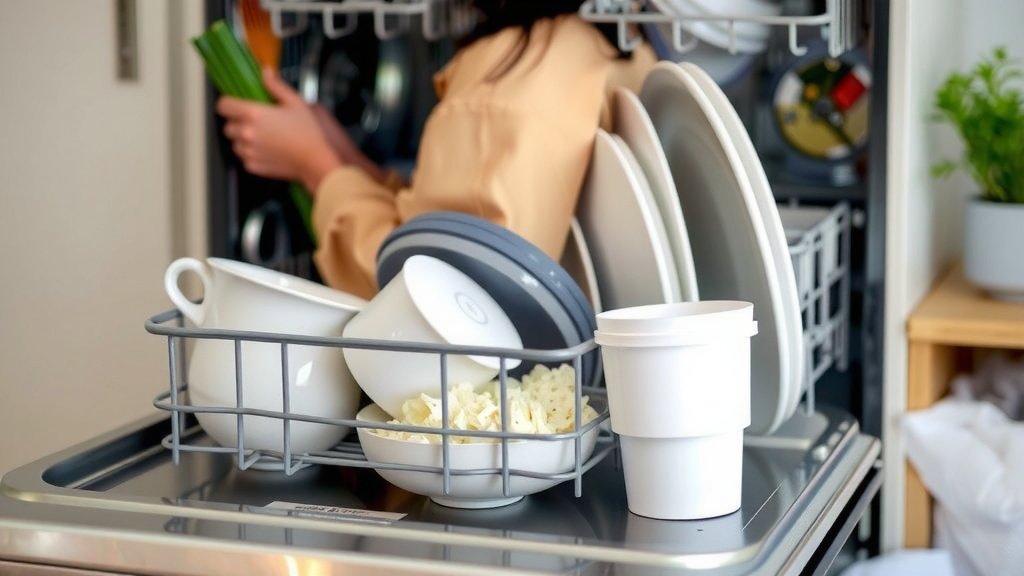
The Utensil Basket: Taming the Chaos
This is often a source of frustration. The key here is to mix items up. Don’t put all the spoons together or all the forks. Place some handles up and some handles down.
Avoiding the “Clump” Effect
When utensils clump together, the water can’t reach the soiled parts. Mixing them helps ensure each piece gets a good spray. For knives, always place them with the sharp edge pointing down for safety. Many guides suggest using the designated slots if your basket has them.
Loading Do’s and Don’ts: A Quick Checklist
Let’s recap with some quick tips to keep handy:
- Do scrape off large food particles.
- Do face dirty surfaces toward the spray arms.
- Do give items space for water circulation.
- Don’t overcrowd the dishwasher.
- Don’t block the spray arms.
- Do check your manual for specific item advice.
When in Doubt, Consult Your Manual
Every dishwasher is a little different. Your owner’s manual is the ultimate guide for your specific model. It often has diagrams and tips tailored to your machine. Many experts say referring to your manual is the best first step for troubleshooting or learning optimal loading techniques.
Conclusion
You’ve now learned the secrets to a sparkling clean dishwasher load. Remember, strategic placement is key! Scraping off large food particles, loading dirtiest items on the bottom, and delicate items on top ensures everything gets clean without damage. Giving dishes space for water circulation and avoiding overcrowding will make a noticeable difference. Your next step? Try this method on your very next load and see the amazing results for yourself. Happy dishwashing!
Frequently Asked Questions
Can I put plastic containers in the dishwasher?
Generally, yes, if they are labeled “dishwasher safe” and are heat-resistant. Always place lighter plastic items on the top rack where the water spray is gentler. Some items might need to be weighted down to prevent them from flipping over.
How do I prevent water spots on my glasses?
Place glasses upside down on the top rack tines so they can fill and drain properly. Ensure they aren’t touching each other, as this can cause water to pool. Using a rinse aid can also significantly help reduce water spots.
Do I really need to scrape my dishes before loading?
Yes, you should scrape off large food particles. Think about anything that could clog your dishwasher’s drain or filter. However, modern detergents and dishwashers work best when there’s still some food soil present, so excessive pre-rinsing isn’t usually necessary.
What’s the best way to load silverware?
Mix your utensils in the basket – don’t group all spoons together. Place some handles up and some handles down to prevent nesting. For safety, always point sharp knives downward. If your basket has slots, use them for better separation.
My dishwasher still isn’t cleaning well. What could be wrong?
Beyond proper loading, check that your spray arms aren’t blocked by larger items and that they can spin freely. Make sure you’re using the correct amount of detergent and that your dishwasher’s filter is clean. Your owner’s manual is also a great resource for troubleshooting specific issues.