Are Dishwashers Safe for Septic Tanks? What to Know
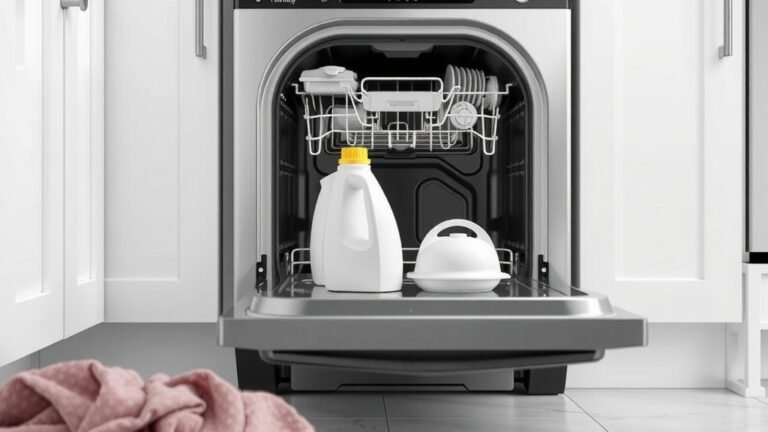
Yes, dishwashers are generally safe for septic tanks when you use them the right way. The danger comes from harsh detergents, phosphate-heavy soaps, and overloading your system with extra wastewater. Keep those things in check, and your dishwasher and septic tank can get along just fine.
Here’s the thing, though. Not all dishwasher detergents are created equal, and some can mess with the beneficial bacteria your septic system depends on to break down waste. We dug into what experts recommend, and the good news is that keeping your system healthy takes only a few small tweaks.
Quick rundown before we get into the details:
- Yes, you can run a dishwasher with a septic system.
- Use a septic-safe detergent with no phosphates or chlorine bleach.
- Spread out water-heavy chores so you don’t flood the tank.
- Run full loads only to reduce wastewater.
- Keep up with regular septic tank pumping and maintenance.
So, how do you know which products are safe, and what habits put your system at risk? Below, we break down everything you need to know about dishwashers and septic tanks, step by step. Let’s get into it.
Why Dishwashers and Septic Systems Can Work Together
Your septic tank relies on beneficial bacteria to break down everything you send down the drain. A dishwasher doesn’t hurt that process by itself. The trouble starts with what goes into the wash water, not the machine.
We found that modern dishwashers also use far less water than older models. Many Energy Star units use 3 to 5 gallons per cycle, compared to 10 gallons or more in older machines (U.S. Department of Energy). That’s a big deal when your drain field has a limited appetite.
Think of your septic tank like a dog at a buffet. It can handle a reasonable plate of food. Dump the whole table on it at once, and things get messy. Your job is simply to keep portions reasonable.
What Makes a Dishwasher Detergent Septic-Safe
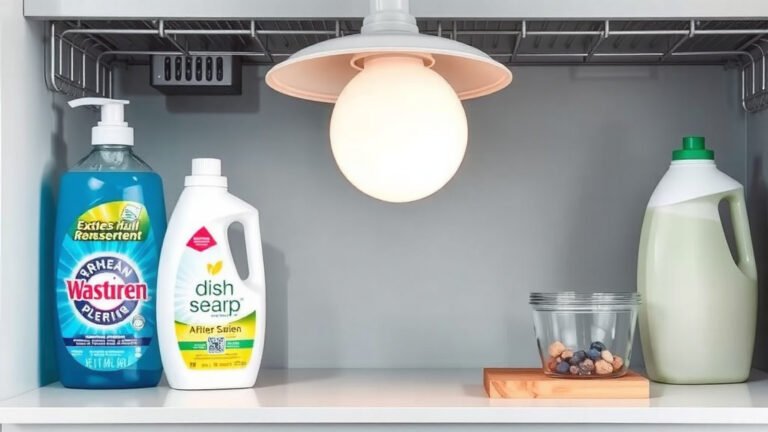
The safest detergents skip phosphates, chlorine bleach, and harsh antibacterial agents. Phosphates fed algae blooms in lakes for decades, which is why many states banned them in dish soap. Your septic tank benefits too, since phosphate-heavy suds can slow down the bacterial breakdown of waste.
Look for labels that say septic-safe, biodegradable, or phosphate-free. Pods, gels, and powders can all qualify. The EPA’s Safer Choice program is a handy way to spot products that break down cleanly without roughing up your tank’s biology.
Ingredients to Avoid With a Septic Tank
Flip the bottle and scan the fine print. Here’s what we recommend you leave on the shelf:
- Chlorine bleach — kills the good bacteria your tank needs.
- Phosphates — disrupt waste breakdown and harm waterways.
- Triclosan and antibacterial agents — designed to kill bacteria, which is the opposite of what your tank wants.
- Synthetic fragrances and dyes — not always toxic, but they add unnecessary chemical load.
One rinse-aid caveat: many experts say standard rinse aids are fine in small amounts. If you want extra caution, a vinegar splash in the rinse cup works surprisingly well.
Antibacterial Soaps and Your Tank’s Bacteria
Here’s a fun twist. Your septic tank wants bacteria. It’s the whole point. Antibacterial detergents are like sending a hitman after your best employees.
The FDA has banned several antibacterial ingredients, including triclosan, from consumer soaps because manufacturers failed to show they work better than plain soap and water (FDA). If your detergent advertises “kills 99.9% of germs,” your tank would rather you skip it.
How Water Usage Affects Your Septic Tank
Volume matters as much as chemistry. Every gallon you send down the drain eventually has to pass through the tank and into the drain field. Flood it, and wastewater can push solids out before they settle. That’s how drain fields clog, and clogged drain fields are expensive.
The EPA recommends spreading out water-heavy tasks like laundry, showers, and dishwashing rather than stacking them in one day (EPA). Simple timing changes can protect your system for free.
Running Full Loads Only
A half-empty dishwasher wastes water and detergent. Full loads give you clean dishes with the fewest gallons per plate. It’s the easiest septic win in your kitchen.
Modern dishwashers also use sensors to match water use to the load, so stuffing it properly (without blocking the spray arms) is safe and efficient.
Timing Your Dishwasher Cycles
Space out the big water users. Run the dishwasher after showers wrap up, not during them. If you wash a mountain of laundry, don’t fire up the dishwasher an hour later.
Skipping the rinse-hold or pre-rinse cycle helps too. Scrape plates into the trash instead, and you’ll save several gallons per load.
Dishwasher vs. Hand Washing: Which Is Better for Septic Systems?
Many folks assume hand washing is gentler on a septic tank. We found the opposite is usually true. Studies cited by energy officials show hand washing a full load of dishes can use up to 27 gallons of hot water, while an efficient dishwasher uses 3 to 5 gallons (U.S. Department of Energy).
Less water means less strain on your tank. So if you’ve been guiltily hand-washing every dish for your septic system’s sake, you can retire that martyrdom. The machine is actually the kinder option.
| Factor | Dishwasher | Hand Washing |
|---|---|---|
| Water per load | 3–5 gallons | Up to 27 gallons |
| Water per day risk | Low with full loads | High with steady running tap |
| Chemical load | Controlled (choose septic-safe) | Varies by dish soap |
| Hot water demand | Lower | Higher |
Common Dishwasher Habits That Can Harm a Septic Tank
Most septic trouble comes from habits, not hardware. Watch out for these:
- Running multiple back-to-back cycles on the same day.
- Using bleach-based cleaners on dishes that then get rinsed into the drain.
- Pouring grease down the drain before loading — grease coats pipes and floats into the tank.
- Rinsing harsh chemicals like paint or solvents into the dishwasher.
- Ignoring leaks — a dishwasher that leaves standing water may also be sending extra water below.
None of these doom your tank in one shot. It’s the repeated pattern that adds up.
Grease, Food Scraps, and Your Drain Field
Solids that leave the dishwasher — bits of food, grease film — mostly settle in the tank. But heavy grease can pass through and gum up the drain field soil. Once soil clogs, wastewater has nowhere to go but back up.
Scrape, don’t rinse. A rubber spatula and the trash can are your drain field’s best friends.
Garbage Disposals and Dishwashers Together
If you have a garbage disposal, your tank is catching all that ground-up food. That adds solids faster than normal, meaning more frequent pumping. Many experts say disposals are workable with septic systems, but only with more frequent maintenance (EPA).
If your disposal feeds into the same drain line as the dishwasher, consider a dishwasher air gap or filter screen to keep food bits out of the wash lines.
Septic Maintenance That Keeps Your Dishwasher Safe to Use
Your dishwasher is one player on a team. The rest of the roster is maintenance. We found that most septic failures trace back to skipped pumping and ignored inspections rather than any single appliance.
The EPA recommends having your tank inspected every 1 to 3 years and pumped roughly every 3 to 5 years, depending on household size and tank size (EPA). Water-saving fixtures and prompt leak repairs round out a healthy routine.
Your Quick Septic-Friendly Dishwasher Checklist
Pin this somewhere handy. It covers the whole game plan:
- Pick a phosphate-free, septic-safe detergent.
- Skip bleach and antibacterial additives.
- Run full loads only.
- Spread water-heavy chores across the day.
- Scrape plates instead of pre-rinsing.
- Stick to a regular pumping schedule.
Signs Your Septic System Is Struggling
Even careful households should know the warning signs. Catching problems early is the difference between a pumping bill and a drain field replacement. Call a septic professional if you notice any of these:
- Slow drains in multiple sinks or the dishwasher draining sluggishly.
- Gurgling sounds from pipes after running water.
- Standing water or soggy spots near the drain field.
- Foul odors around the tank or drains.
- Unusually green, lush grass over the drain field — it’s feeding on escaping wastewater.
If your dishwasher drains slowly and your sinks do too, the issue is likely downstream in the tank or lines. Don’t just grab a chemical drain cleaner, by the way. Many experts say those can damage the bacterial balance you’ve worked to protect (Cleveland Clinic). A septic-safe mechanical fix or a pro visit is the smarter move.
Conclusion
You don’t have to give up your dishwasher just because you have a septic tank. We researched this one thoroughly, and the machine itself is not the problem. What matters is the detergent you pick and how much water you send down the drain in a single day.
Choose a phosphate-free, septic-safe detergent, skip the bleach and antibacterial formulas, and run full loads spread across the week. Pair those habits with regular pumping and inspections, and your system will thank you for years.
Your next step? Check the label on your current dishwasher detergent tonight. If it lists phosphates or chlorine bleach, swap it for a septic-safe option on your next shopping trip. That one small change is the easiest win for your tank.
Frequently Asked Questions
Can dishwasher pods hurt my septic tank?
Pods themselves are fine as long as the formula inside is septic-safe. Look for labels that say phosphate-free and biodegradable. Avoid pods marketed as antibacterial, since those ingredients can harm the bacteria your tank depends on.
Is Cascade or Finish safe for septic systems?
Most major detergent brands removed phosphates after state bans, so standard formulas are generally safer than older versions. Still, check the ingredient list for chlorine bleach or antibacterial agents. When in doubt, choose a product with an EPA Safer Choice certification.
How many times a day can I run my dishwasher with a septic tank?
One full cycle per day is a safe rhythm for most households. If you need a second load, wait several hours and avoid running laundry or long showers at the same time. Spacing out water use keeps your tank from getting overwhelmed.
Do I need a special filter for my dishwasher with a septic system?
You don’t strictly need one, but a filter screen or air gap can help if your disposal shares the same drain line. These devices keep food scraps out of your wash lines and tank. Less solid waste in the tank means fewer pump-outs over time.
Can dishwasher water back up into my sink if my septic tank is full?
Yes, it can. When the tank or drain line is overloaded, wastewater looks for the lowest exit point, which is often the sink or dishwasher. If you notice backups, gurgling, or slow drains together, call a septic professional before the problem grows.