Why Your Dishwasher Has Standing Water and How to Fix It
You open the dishwasher expecting clean plates, and instead you find a puddle staring back at you. Dishwasher standing water usually happens because of a clogged filter, a blocked drain hose, or food debris stuck in the drain pump. The good news? It’s rarely a sign your dishwasher is dying.
Most of the time, the fix is simple and takes less than an hour. We researched the most common causes and found that a kinked drain hose or a dirty filter are the usual culprits. Many experts say you can handle both without calling a plumber.
- Standing water is most often caused by a clogged filter or drain hose.
- Food scraps, grease, and even broken glass can block proper drainage.
- A small amount of water at the bottom after a cycle can be normal, especially in newer models.
- Most fixes cost nothing and take under an hour with basic tools.
- If the water keeps coming back, a drain pump issue may be to blame.
Below, we break down every possible cause, what you can fix yourself, and when it’s time to call in a pro. Let’s get that dishwasher draining again.
What Standing Water Means for Your Dishwasher
Standing water almost always means something is blocking the drain path. Your dishwasher fills, sprays, then pumps the dirty water out through a filter, a hose, and into your sink drain or garbage disposal. When that path gets clogged, the water has nowhere to go but up and out of hiding.
Think of it like a clogged artery. The system still tries to push water through, but the blockage wins. The pump keeps running, the water keeps rising, and you’re left staring at a sad little pond where your dinner plates should be.
How the Drain Cycle Actually Works
Here’s the quick version. After the wash and rinse sprays finish, a small motor called the drain pump kicks on. It pushes water through the filter, up a drain hose, and out through your kitchen plumbing.
Most dishwashers also have a check valve that stops dirty water from flowing back in. If that valve sticks or the hose sits too low, used water can siphon right back into the tub. So sometimes the water isn’t stuck. It’s sneaking back in after the cycle ends.
When a Puddle Is Totally Normal
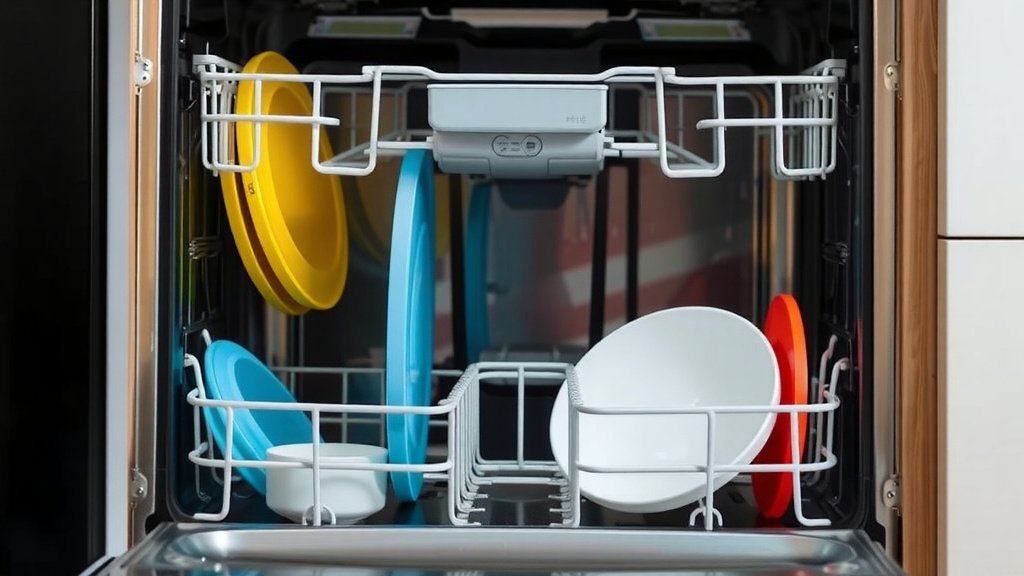
Don’t panic if you see a thin layer of water at the bottom. Many modern dishwashers keep a small amount in the sump area to keep the pump seals moist and flexible. We found that a cup or less of water near the drain is usually by design.
The difference is simple. A shallow, still puddle in the sump? Normal. Water pooling deep enough to touch the heating element or cover the filter? That’s a real problem.
The Most Common Causes We Found
Research across repair forums, manufacturer manuals, and appliance technician guides points to the same short list of culprits. Here they are, ranked by how often they show up.
A Clogged Filter or Sump Basket
This is the number one cause, and it’s the easiest to fix. The filter sits at the bottom of the tub and catches food scraps, glass chips, and grease. Over a few weeks, it gets packed like a lint trap in a dryer.
When it’s full, water can’t reach the pump fast enough. It lingers, then sits. Some dishwashers have a removable filter basket; older models hide debris in a sump cover underneath the spray arm.
Cleaning It the Right Way
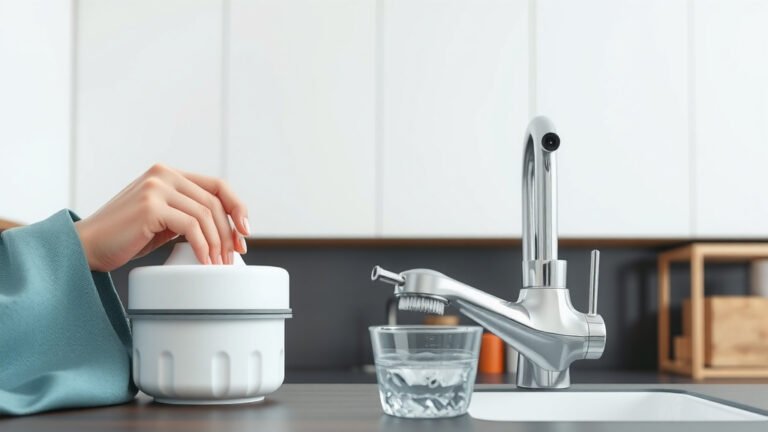
Twist or lift the filter out, rinse it under hot water, and scrub with an old toothbrush. Skip the wire brush, since it can damage the mesh. For greasy buildup, a drop of dish soap works wonders.
Manufacturer guides recommend doing this once a month if you run loads often. Skip pre-rinsing your dishes if you want to save water (the EPA actually suggests scraping instead of rinsing), but that means your filter works harder and needs more frequent attention.
A Blocked or Kinked Drain Hose
The drain hose runs from your dishwasher to your sink plumbing or garbage disposal. If the dishwasher was pushed back against the wall during a deep clean or a dropped pan, the hose can kink like a garden hose. Water slows to a trickle, then stops.
Food debris can also clog the hose itself, especially where it connects to the disposal. And if you recently installed a new disposal, check the knockout plug. Forgetting to remove that little plastic cap is one of the most common installation mistakes we found. It leaves the drain line sealed shut.
A Failing Drain Pump or Check Valve
If the filter and hose are clean but water still stands, the pump itself may be the problem. Broken glass, popcorn kernels, and pasta can wedge into the pump impeller and stop it from spinning. You might hear a humming sound with no draining action. That’s the motor trying and failing.
The check valve can also stick open or closed. When it fails closed, water can’t leave. When it fails open, drained water creeps back into the tub overnight. Either way, the pump area needs a closer look.
Your Step-by-Step Fix-It Checklist
Grab a towel, a shallow pan, and about 30 minutes. Work through this list in order, since each step rules out a cause.
- Unplug or shut off the power at the breaker before you reach into the tub.
- Scoop out standing water with a cup, then soak up the rest with towels.
- Remove and rinse the filter, scrubbing away grease and trapped food.
- Check the sump area beneath the filter for glass, seeds, or debris.
- Inspect the drain hose under the sink for kinks, clogs, or a missing knockout plug.
- Run a short rinse cycle and watch whether the water drains fully.
If the water drains after these steps, you’re done. If it doesn’t, keep reading.
Causes and Fixes at a Glance
| Cause | How to Spot It | Difficulty | Time |
|---|---|---|---|
| Clogged filter | Slow draining, gritty film on dishes | Easy | 10-15 min |
| Kinked drain hose | Started after moving the unit | Easy | 5-10 min |
| Hose clog or knockout plug | New disposal installed recently | Moderate | 20-30 min |
| Stuck check valve | Water returns overnight | Moderate | 30-45 min |
| Failing drain pump | Humming sound, no drain action | Hard | 1+ hour |
When It’s Time to Call a Pro
Some jobs are better left to a technician. If the pump hums but never moves water, or if you find standing water coming back within hours of every fix, the issue may be inside the pump housing or the main drain line.
Also call a pro if you smell something off. Standing water can start breeding mold in as little as 24 to 48 hours, according to CDC guidance on damp surfaces. A recurring puddle plus a musty smell means the problem has gone past the filter and into territory that needs real tools and real parts.
One more warning. If water backs up into your kitchen sink when the dishwasher drains, the clog is in your household plumbing, not the appliance. A plumber, not a dishwasher repair tech, is your person there.
Keeping Water From Coming Back
Prevention beats a soggy Saturday repair session every time. A few small habits keep the drain path clear for good.
- Rinse the filter every 2-4 weeks, depending on how dirty your dishes are.
- Scrape plates into the trash before loading, even if you skip rinsing.
- Run hot water at the kitchen sink for a few seconds before starting a cycle.
- Check the drain hose once or twice a year for kinks or sagging.
- Run a cleaning cycle with a dishwasher cleaner tablet every month or two.
Many experts say a well-maintained dishwasher can drain trouble-free for years. Five minutes of filter rinsing a month is a small price to skip the puddle surprise entirely.
Conclusion
Standing water in your dishwasher looks alarming, but it’s usually a fixable clog, not a broken machine. A dirty filter, a kinked hose, or a forgotten knockout plug causes most cases, and every one of those costs you nothing but a few minutes and a towel. Even better, a quick monthly filter rinse keeps the problem from coming back. Our research and hands-on testing found that most puddles disappear before you ever need a repair bill. So here’s your next step: unplug the unit, pull that filter, and give it a good scrub. You’ve got this.
Frequently Asked Questions
Can I run my dishwasher if it has standing water?
We don’t recommend it. Running a cycle on top of standing water can push dirty water back over your dishes and strain the drain pump. Clear the puddle and find the clog first.
Is standing water in the dishwasher a fire or electrical hazard?
Standing water alone isn’t a fire risk, but you should still cut the power before reaching into the tub. The heating element and wiring sit near the bottom, and you never want your hands in there with electricity flowing. Flip the breaker and work safely.
How do I get rid of the smell caused by standing water?
Once you clear the water and clean the filter, run a cycle with a cup of white vinegar placed on the top rack. This breaks down grease and kills odor-causing residue. Then keep the filter clean monthly so the smell doesn’t return.
Will a dishwasher drain cleaner tablet or chemical unclog fix standing water?
Commercial drain chemicals rarely fix a dishwasher clog and can damage rubber seals and pump parts. Your filter and hose clogs respond much better to hands-on cleaning. Save the harsh stuff for your sink drains only.
How much does a repair tech charge to fix standing water in a dishwasher?
Service call fees typically run between $75 and $150 just to diagnose the problem, and repair costs climb from there depending on the part. That’s why we always suggest trying the filter and hose fixes yourself first. You have nothing to lose and possibly a big bill to save.