Dishwasher vs Hand Washing: Which is Better?
When it comes to cleaning your dishes, a modern dishwasher often wins for water and energy efficiency. While hand washing can be thorough, it typically uses more water than your dishwasher, especially if you let the tap run. We found that for most households, your dishwasher is the more eco-friendly choice.
The debate between dishwasher versus hand washing isn’t just about convenience. It touches on water usage, energy consumption, and even hygiene. Research shows that newer, energy-efficient dishwashers are surprisingly good at conserving resources. Let’s look at how they stack up.
- Dishwashers usually use less water than hand washing.
- Modern dishwashers are energy efficient.
- Hand washing can be better for delicate items.
- Proper loading is key for dishwasher results.
We’ve gathered the facts to help you decide what’s best for your kitchen. Let’s break down the dishwasher vs. hand washing showdown.
Dishwasher vs. Hand Washing: Which is Truly Better?
Deciding between using your dishwasher or washing dishes by hand can feel like a daily dilemma. Many people wonder which method is genuinely more efficient and effective. We’ve looked at the facts, and the answer often surprises people. For most households, your dishwasher is likely the winner when it comes to saving resources.
Water Usage: The Biggest Difference
When you compare the amount of water used, your dishwasher usually comes out ahead. This might seem counterintuitive if you’ve ever let the tap run while scrubbing pots and pans. However, modern dishwashers are designed to be incredibly water-efficient. They use a controlled amount of water per cycle.
How Much Water Does a Dishwasher Use?
Many newer dishwashers use as little as 3 to 5 gallons of water per load. Older models might use a bit more, perhaps up to 10 gallons. This is significantly less than what you might use if you’re hand washing, especially if you tend to keep the water running. We found that this consistent, low water usage is a major factor.
How Much Water Does Hand Washing Use?
Hand washing is often a water-guzzler. If you fill your sink or a basin, you might use about 4-6 gallons for the initial wash. But then comes the rinsing. If you rinse under a running tap, you can easily double or triple that amount. Some estimates suggest hand washing can use upwards of 20 gallons of water for a single load of dishes. That’s a lot of water!
Consider this: if you’re washing a full load of dishes by hand, and your tap is running for just five minutes at a flow rate of 2 gallons per minute, that’s already 10 gallons. Add in the initial wash and soaking, and the numbers quickly climb. It’s easy to see how hand washing can become a significant drain on your water supply.
Energy Consumption: More Than Just Water
Beyond water, there’s also the energy used. Dishwashers use electricity to heat water and power the wash and dry cycles. Hand washing, on the other hand, uses energy only if you heat the water yourself. This is where things get a little more nuanced.
Dishwasher Energy Use
The energy consumption of a dishwasher depends on a few factors. How often you run it, the water heater’s efficiency, and the dishwasher’s energy rating all play a role. However, ENERGY STAR certified dishwashers are designed to meet strict energy efficiency criteria. They often use less energy than heating water for hand washing a full load.
Many studies show that running a full, ENERGY STAR dishwasher is more energy-efficient than heating water on your stove or with your electric water heater for manual washing. The dishwasher heats only the amount of water it needs. Your water heater might be using energy to keep a large tank hot, even if you only need a small amount of hot water.
Hand Washing Energy Use
If you hand wash, the energy question shifts to your water heater. If your water heater is old or inefficient, it might be using a lot of electricity or gas to heat water. Using a lot of hot water for hand washing will then lead to higher energy bills. Many experts suggest that the energy cost of heating water for hand washing can often outweigh the electricity used by a modern dishwasher.
So, while your dishwasher uses electricity, it’s often a more controlled and efficient use compared to the potential energy drain of heating large amounts of water for hand washing. We found that the overall energy picture favors the dishwasher for most households, especially those with efficient water heaters.
Hygiene and Cleanliness: Who Does it Better?
When it comes to getting dishes truly clean and sanitary, both methods have their pros and cons. What’s your priority: sparkling clean or germ-free? Let’s break it down.
Dishwasher Sterilization Power
Dishwashers excel at sanitizing. They use very hot water, often reaching temperatures between 140°F and 160°F (60°C and 71°C). These high temperatures, combined with powerful detergents, can effectively kill most bacteria and germs. Many dishwashers have a “sanitize” cycle that meets CDC guidelines for killing household germs. This level of heat is difficult and potentially dangerous to achieve safely at your sink.
The longer wash and rinse cycles also ensure that detergent is thoroughly removed, leaving your dishes not just clean but also hygienically sound. This is a big advantage, especially for families with young children or individuals with weakened immune systems.
The Art of Hand Washing Hygiene
Hand washing can achieve a good level of cleanliness, but it requires diligent effort. You need to use hot water (as hot as you can safely tolerate), a good dish soap, and scrub effectively. For true sanitization, you’d need to reach temperatures around 110°F (43°C) or higher, and then potentially use a sanitizing rinse. Many people find this difficult to maintain for an entire load.
If you’re not using sufficiently hot water or rinsing thoroughly, you risk spreading bacteria from one dish to another. Also, sponges and dishcloths used for hand washing can become breeding grounds for bacteria if not cleaned or replaced regularly. Many health organizations recommend replacing sponges weekly to maintain hygiene.
Efficiency and Convenience: The Daily Grind
Let’s talk about what makes your life easier. We all have busy schedules, and anything that saves time and effort is a win. This is often where the dishwasher shines brightest.
Loading and Forgetting
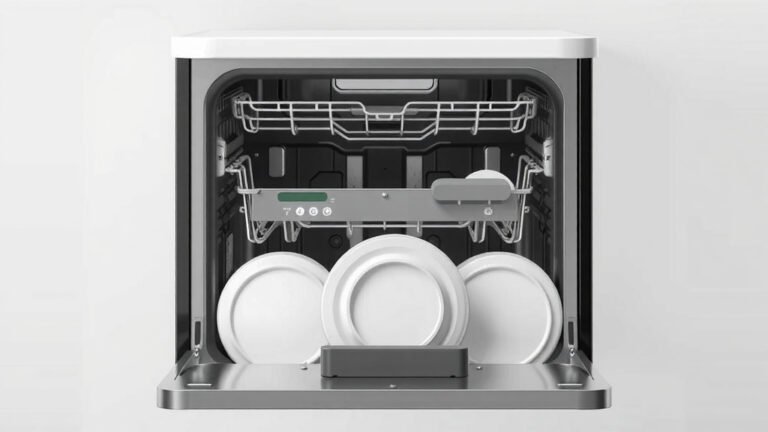
The convenience of a dishwasher is undeniable. You scrape off large food particles, load the machine, add detergent, and press a button. Then, you can go about your day, work, or relax. When the cycle is done, you unload clean dishes. It requires minimal hands-on time during the cleaning process itself.
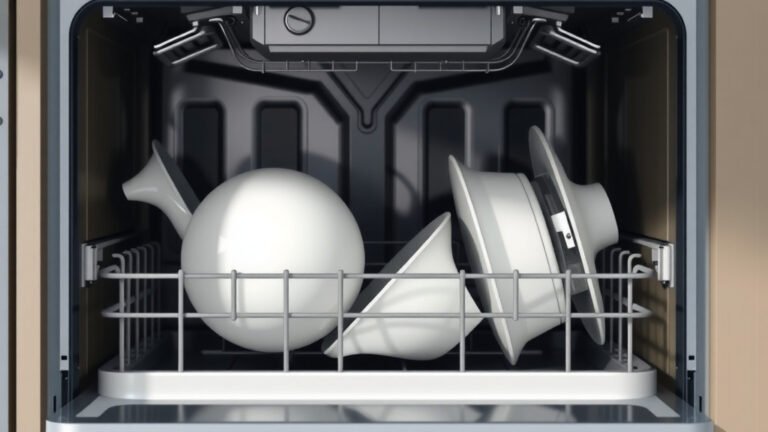
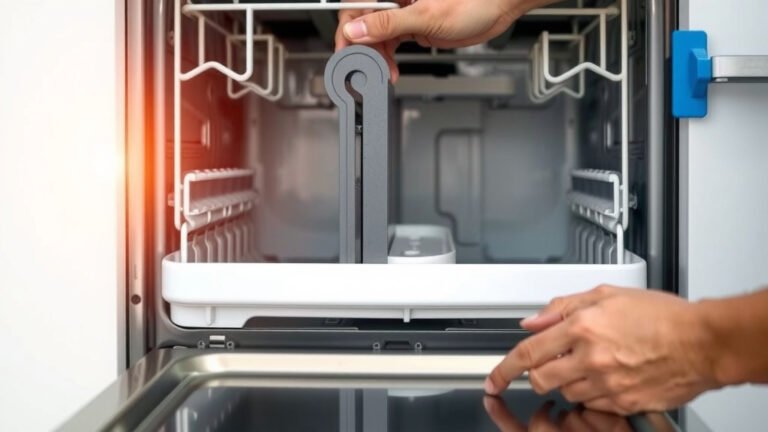
Proper loading is key for optimal results. If you overload the dishwasher or block the spray arms, you might end up with food residue. However, once you get the hang of it, it becomes second nature. It’s a set-it-and-forget-it kind of deal for the most part.
Scrubbing and Drying Time
Hand washing requires your constant attention. You have to pre-rinse, scrub, rinse, and then dry. This takes time and energy. Some items, like greasy pans or baked-on food, require a lot of elbow grease and potentially soaking time. Even after washing, you still need to dry them or let them air dry, which takes up counter space.
Think about the time you spend standing at the sink. If you have a lot of dishes, it can easily add up to 15-30 minutes or more per day. Over a week, that’s a significant chunk of your time. The dishwasher frees you up from this chore, allowing you to do other things you enjoy.
What About Special Items?
Not everything belongs in the dishwasher. Some items are better off being washed by hand. This is where a combination approach might be best for your kitchen.
Delicate Dishes and Cookware
Fine china, delicate glassware, antique pieces, and some non-stick or cast-iron cookware are often not dishwasher-safe. The high heat, harsh detergents, and intense water jets can damage them. Hand washing these items allows you to control the pressure and temperature, protecting them from harm.
Large Pots and Pans
While many modern dishwashers can handle pots and pans, very large or awkwardly shaped items might not fit well. Sometimes, these items require a good scrub that’s easier to achieve by hand. If you find yourself consistently hand-washing large pots, it might impact the overall water and energy calculation.
Making the Right Choice for Your Kitchen
Ultimately, the “better” method often depends on your specific circumstances. However, research consistently points to dishwashers as the more resource-efficient option for everyday dish cleaning.
Here’s a quick checklist to help you decide:
- Do you have an ENERGY STAR certified dishwasher?
- Do you typically run your dishwasher with a full load?
- Are you conscious of water temperature and rinsing time when hand washing?
- Do you have a lot of delicate items that require hand washing?
- How much time do you want to spend on dish duty each day?
By considering these points, you can make an informed decision that aligns with your home’s needs and your desire for efficiency. For most of us, the dishwasher is a powerful ally in keeping our kitchens clean while being mindful of our planet’s resources.
Conclusion
When it comes to daily dish duty, your dishwasher often takes the crown for efficiency. Research consistently shows that modern dishwashers use less water and energy than typical hand washing. While hand washing has its place for delicate items, for most everyday loads, your dishwasher is the eco-friendlier and more convenient choice. We found that by optimizing dishwasher use, like running full loads, you can significantly reduce your household’s resource consumption. Consider making your dishwasher your go-to cleaning companion for a cleaner kitchen and a greener planet.
Frequently Asked Questions
Is it really more eco-friendly to use a dishwasher?
Yes, for most households, a modern dishwasher is more eco-friendly. Research indicates that newer, ENERGY STAR certified dishwashers use less water and energy than hand washing a comparable load. They have precise water controls and efficient heating elements. This makes them a smart choice for reducing your environmental impact.
How can I make sure my dishwasher is cleaning effectively?
Ensure you scrape off large food particles before loading. Proper loading is key – don’t overcrowd the machine and make sure spray arms can rotate freely. Using the correct amount and type of detergent also helps. Running your dishwasher with a full load is the most efficient way to use resources.
Are there times when hand washing is better than using a dishwasher?
Absolutely. Delicate items like fine china, crystal, certain plastics, and antique dishware should always be hand washed. Also, some large pots and pans, especially cast iron or those with special non-stick coatings, may require hand washing to maintain their integrity and prevent damage from the dishwasher’s cycles.
How does hand washing affect my water heater energy use?
Hand washing can significantly increase your water heater’s energy usage. This is because you often use large amounts of hot water, and if your water heater is older or less efficient, it expends more energy to heat and maintain that water. A dishwasher heats only the water it needs for its cycle.
Can I put my cutting boards in the dishwasher?
It depends on the material. Wooden cutting boards, especially those made of bamboo or hardwoods, can warp, crack, or splinter when exposed to the high heat and moisture of a dishwasher. Plastic and tempered glass cutting boards are generally dishwasher-safe. Always check the manufacturer’s care instructions for your specific cutting boards.