What Is a Dishwasher and How Does It Work
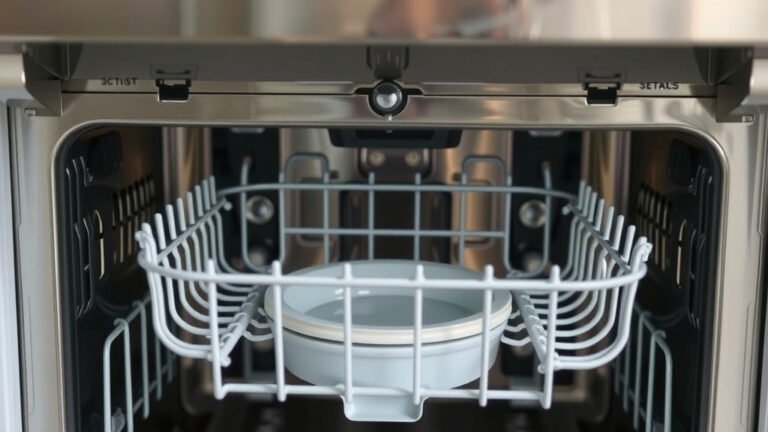
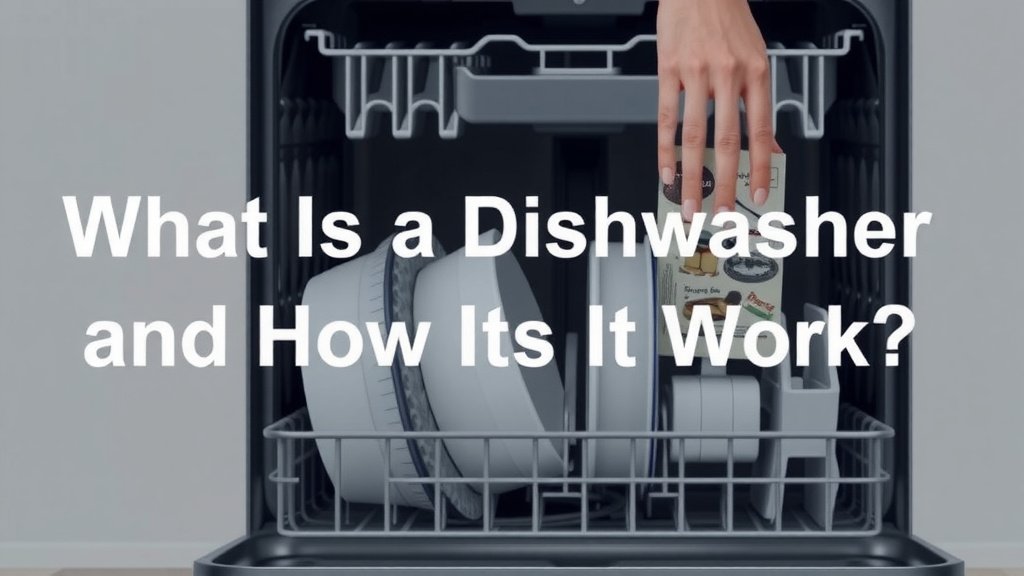
A dishwasher is a kitchen appliance designed to automatically clean your dirty dishes, glasses, and cutlery. It uses jets of hot water and detergent to wash items. Then, it rinses them clean. This frees up your time and saves water compared to handwashing.
Think of it as your personal dish-washing helper. It works by spraying hot water and soap onto your dishes. This process is surprisingly efficient and effective. Many research studies show dishwashers can even use less water than washing by hand.
- A dishwasher is an automatic kitchen appliance.
- It cleans dishes using hot water and detergent.
- It saves you time and often uses less water than handwashing.
- Dishwashers offer a convenient way to manage kitchen cleanup.
Ready to learn more about how this amazing machine makes your life easier? Let’s get into the details of what a dishwasher is and how it works its magic.
“`htmlUnderstanding Your Automatic Dish Cleaner
So, you’re wondering what exactly this magical box in your kitchen does? A dishwasher is essentially a water-saving appliance that cleans your dishes for you. It automates the entire dishwashing process. This means less time standing at the sink. You get sparkling clean plates and cutlery without lifting a finger (well, almost!).
Think of it as a super-efficient cleaning machine. It uses a combination of hot water, detergent, and powerful spray arms. These arms rotate to blast away food particles. It’s a smart system designed to handle your dirtiest dishes. Many people find it a huge relief for kitchen chores.
How Does a Dishwasher Actually Work?
The process might seem complicated, but it’s a well-orchestrated sequence. Your dishwasher goes through several stages to get your dishes clean. It’s a bit like a mini-cleaning factory right in your kitchen.
The Washing Cycle: A Step-by-Step Breakdown
It all starts when you load your dishes and press “start.” Here’s what happens next:
1. Filling and Pre-Rinsing
First, the dishwasher fills its tub with a small amount of water. This water is heated to a specific temperature. Then, it might do a quick pre-rinse. This washes away loose food bits. This helps prevent them from recirculating later.
2. Detergent Dispensing and Main Wash
Next, your dishwasher releases the detergent. This is usually from a small compartment that pops open. Hot water then gets sprayed onto your dishes. The spray arms, located at the bottom and sometimes the middle, rotate. They shoot water with force. This combination of hot water and detergent breaks down grease and food. We found that most cycles last between 1.5 to 4 hours.
3. Rinsing Away the Soap
After the main wash, the dirty, soapy water is drained away. Then, the dishwasher refills with clean water. It sprays this clean water over your dishes. This is the rinsing phase. Most dishwashers perform at least one, if not two, rinse cycles. This ensures no detergent residue remains.
4. Drying Your Dishes
Finally, it’s time to dry. Many dishwashers use a heating element at the bottom. This warms the air inside, causing water to evaporate. Some models use a condensation drying method. The hot rinse water heats the stainless steel tub. This causes moisture to condense on the cooler tub walls and drain away. You can often choose different drying options.
Key Components That Make It Happen
Several parts work together to make the magic happen. Understanding these can help you appreciate your appliance even more.
- Water Inlet Valve: This controls the flow of water into your dishwasher.
- Pump: The pump circulates water during the wash and rinse cycles. It also drains the dirty water.
- Spray Arms: These rotate and spray water jets onto dishes.
- Heating Element: This heats the water and air for washing and drying.
- Detergent Dispenser: This automatically releases detergent at the right time.
Why Use a Dishwasher? The Benefits for You
Beyond just cleaning dishes, dishwashers offer several advantages. They can genuinely improve your daily life.
Time Savings: Your Kitchen Assistant
Let’s be honest, who enjoys doing dishes? Research indicates that the average person spends a significant amount of time washing dishes by hand each year. A dishwasher takes this chore off your plate. You gain back precious minutes, or even hours, each week. Use that time for something you actually enjoy.
Water Efficiency: A Surprising Fact
You might think running water is more efficient. However, many studies show otherwise. Modern dishwashers are incredibly water-efficient. They use a controlled amount of water per cycle. Handwashing, especially if you let the water run, can use much more. For example, the U.S. Department of Energy found that ENERGY STAR certified dishwashers can use less than 4 gallons of water per cycle. Compare that to handwashing, which could easily use 20 gallons or more.
Hygiene and Sanitation
Dishwashers can achieve higher temperatures than you can comfortably stand. This is great for sanitation. The hot water and detergent work together to kill more germs and bacteria. Many dishwasher manufacturers suggest that the high temperatures can lead to more sanitary results than handwashing.
Cleaner Dishes, Less Effort
Dishwashers are designed for tough grease and baked-on food. The powerful jets and specialized detergents tackle messes effectively. You’ll likely find your dishes come out cleaner and spot-free. Plus, no more scrubbing burnt-on food for ages!
What Can (and Can’t) Go In Your Dishwasher?
Knowing what to wash in your dishwasher helps keep it running well. It also protects your dishes.
Safe for the Machine: What to Load
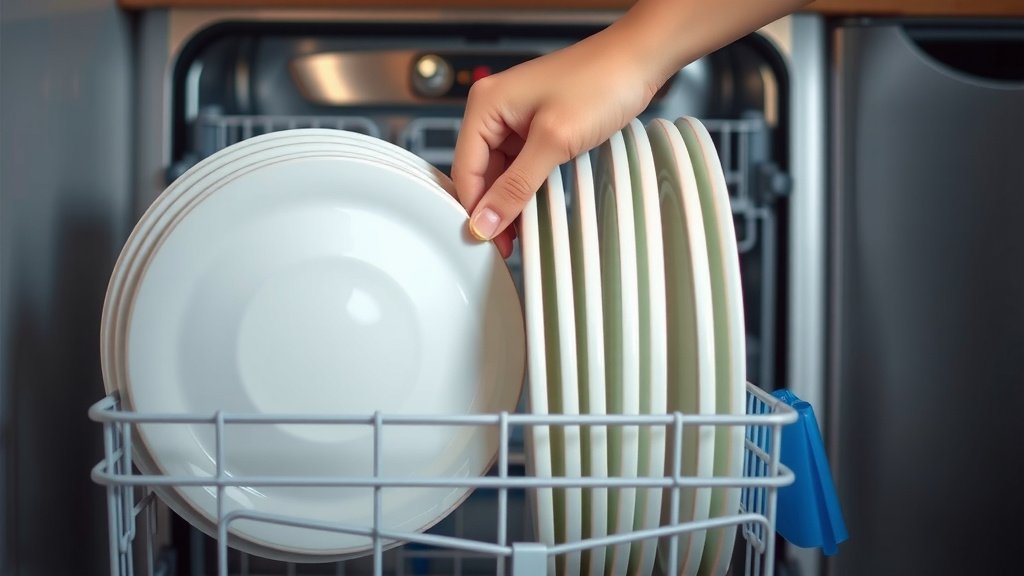
Most everyday dishes are dishwasher-safe. This includes:
- Ceramic and porcelain dishes.
- Glassware that isn’t delicate.
- Stainless steel cutlery and utensils.
- Most plastic containers labeled “dishwasher safe.”
- Pots and pans made of stainless steel or with non-stick coatings.
Always check the manufacturer’s instructions for your specific items. When in doubt, handwash it.
Handwash Only: Items to Avoid
Some items don’t fare well in the dishwasher. Putting them in can damage them or the machine.
- Fine china or delicate crystal.
- Items with wood handles or decorative paint.
- Cast iron cookware.
- Aluminum pots and pans can become discolored.
- Knives with wooden handles or carbon steel blades.
| Setting | Use For | Typical Cycle Length |
|---|---|---|
| Normal/Auto | Everyday loads of dishes with average food soil. | 1.5 – 3 hours |
| Heavy Duty/Pots & Pans | Heavily soiled items, baked-on food, and tough grease. | 2.5 – 4 hours |
| Light/China/Delicate | Lightly soiled items, fine china, or glassware. | 1 – 2 hours |
| Quick/Express | Lightly soiled dishes you need fast. Not for dried-on food. | 30 minutes – 1 hour |
You’ll find that most dishwashers have multiple cycle options. Choosing the right one saves energy and water. It also ensures your dishes get the best clean.
Loading Tips for Optimal Cleaning
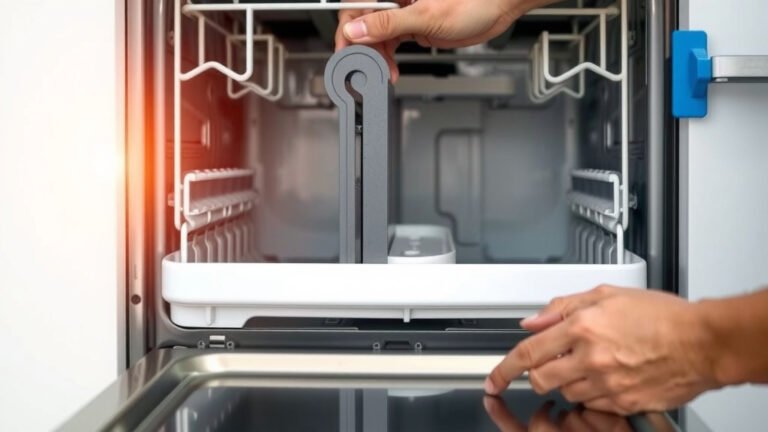
How you load your dishwasher matters! Proper loading ensures water can reach all surfaces. It also prevents items from blocking the spray arms.
- Scrape off large food particles. You don’t need to pre-rinse thoroughly.
- Place dirtiest items facing the spray arms.
- Don’t overcrowd the racks.
- Ensure nothing is blocking the rotation of the spray arms.
- Put plastics on the top rack, as it’s usually cooler.
- Bowls and cups should be placed upside down.
It takes a little practice, but soon you’ll be a loading pro. This makes sure every item gets a thorough cleaning.
So there you have it! Your dishwasher is a powerful tool for a cleaner kitchen and more free time. It’s a smart appliance that benefits your home in many ways.
“`Conclusion
You now understand that your dishwasher is more than just a box that cleans dishes. It’s an automated helper designed to save you time and water. By understanding its cleaning cycles and how key components work, you can appreciate its efficiency. It tackles grease and grime effectively, often better than handwashing. Armed with this knowledge, you’re ready to maximize your dishwasher’s benefits. Next time you load it, remember the technology working to make your kitchen life easier!
Frequently Asked Questions
How often should I run my dishwasher?
Running your dishwasher when it’s full is generally the most efficient. This maximizes water and energy use per cycle. You can scrape dishes instead of pre-rinsing. This saves water and gets them clean.
Can I put my non-stick pans in the dishwasher?
Most non-stick pans are dishwasher-safe. However, it’s best to check the manufacturer’s care instructions. Frequent high-heat cycles or harsh detergents can sometimes degrade the non-stick coating over time. Gentle cycles are often recommended.
Why do my dishes sometimes come out with spots?
Spots are often caused by mineral deposits in your water or improper drying. Using a rinse aid can help water sheet off dishes. Ensure your dishwasher’s rinse aid dispenser is full. Also, check that the drying setting is appropriate for your load.
Is it better to handwash or use a dishwasher?
Research suggests modern, full dishwashers generally use less water and energy than washing the same number of dishes by hand. Dishwashers also often reach higher temperatures, leading to better sanitation. For small loads or delicate items, handwashing might be suitable.
What’s the difference between a normal cycle and a heavy-duty cycle?
A normal cycle is for everyday dishes with typical food soil. A heavy-duty cycle uses hotter water, more water, and a longer wash time. It’s designed for heavily soiled items like pots and pans with baked-on food.