
Why Dishwasher Dishes Feel Greasy and How to Fix It
Dishwasher dishes feel greasy because food residue, hard water minerals, or too much detergent film are left behind instead of rinsed away. It usually means your machine isn’t cleaning or rinsing properly — and it’s fixable.
We’ve all been there. You pull out a “clean” plate, touch it, and it feels slick or slimy. Gross, right? We dug into this problem and found that the usual suspects include a clogged spray arm, a dirty filter, water that isn’t hot enough, or even wrong detergent amounts. Many experts say a quick maintenance routine solves most cases.
TL;DR:
- Greasy dishes usually come from a dirty filter or clogged spray arms.
- Cold water and short cycles can leave film behind.
- Too much or too little detergent both cause problems.
- Hard water buildup makes dishes feel slick.
- Regular cleaning of your dishwasher fixes most of it.
Below, we break down everything you need to know about why your dishes feel greasy — and the simple steps we found to get them truly clean again.
What Makes Your Dishes Feel Slick After a Wash
Dishes feel slick when something is being left behind on them. That something is usually grease, soap film, or mineral residue that your dishwasher failed to wash away.
Think of your dishwasher like a shower. If the water pressure drops, you never fully rinse off. Same deal here. When the machine can’t spray, heat, or drain properly, that slimy layer stays put.
The Usual Suspects Behind Greasy Dishwasher Results
We found that greasy dishes almost always trace back to one of five causes. Here’s the full list so you can play detective.
A Dirty Filter Is the Number One Culprit
Most modern dishwashers have a filter at the bottom that catches food bits. When it gets clogged, dirty water keeps circulating around your dishes. It’s like washing your hair in a bathtub nobody has drained.
Many manufacturers recommend checking the filter monthly. We found that a quick rinse under hot water often makes an instant difference.
Clogged Spray Arms Can’t Do Their Job
Spray arms have tiny holes that shoot water at your dishes. When food debris or hard water deposits block those holes, water pressure drops fast.
Less spray means less scrubbing power. Grease clings instead of rinsing off. Pop the arm out if you can, and clear the holes with a toothpick or a soft brush.
Water Temperature That’s Too Low
Grease melts and rinses away in hot water. In cool water, it just slides around and resettles like a lazy cat. Most experts suggest water of at least 120°F for good results (U.S. Department of Energy).
Run your kitchen faucet on hot before starting the cycle. This fills the dishwasher with hot water right from the start. Easy win.
Detergent Mistakes: Too Much or Too Little
Here’s a surprise we found: overloading detergent is a common cause of film, not a fix for it. Extra soap doesn’t fully dissolve, so it coats your dishes in a slimy residue.
Too little detergent does the opposite. Grease never breaks down. Many experts say following the detergent label’s line, not guessing, is the safest bet.
Pods, Powder, or Gel — Does It Matter?
It can. Pods are convenient but can leave film in short cycles because they don’t fully dissolve. Powder gives you more control over the amount. Gel dissolves fast but can struggle with heavy grease.
If you use pods, try a longer or heavier cycle. It gives them time to dissolve completely.
Hard Water Minerals Build a Slick Layer
Roughly 85% of U.S. homes have hard water, according to government water quality data (USGS). Those calcium and magnesium minerals mix with soap and form a chalky film that feels almost greasy.
How do you know hard water is your issue? Look for white spots, cloudy glassware, and crusty buildup inside the machine.
Rinse Aid Issues You Might Not Notice
Rinse aid helps water sheet off dishes instead of forming droplets. Without it, water sits and dries into spots or film. A full rinse aid dispenser is one of the cheapest fixes we found.
If you use too much rinse aid, you can get the opposite problem — a slick coating. Stick to the dispenser’s settings.
Hard Water vs. Soap Film vs. Real Grease
Not sure what’s coating your dishes? This quick comparison helps you match the symptom to the cause.
| Symptom You Feel | Likely Cause | Quick Fix |
|---|---|---|
| Chalky or gritty film | Hard water minerals | Rinse aid plus a dishwasher cleaner |
| Slimy, soapy feel | Too much detergent | Cut detergent and run a rinse cycle |
| Actual oily residue | Cold water or clogged filter | Clean the filter, run hot water first |
| Film only on plastics | Cool drying plastics hold film | Use a heated dry or rinse aid |
Why Loading Habits Matter More Than You Think
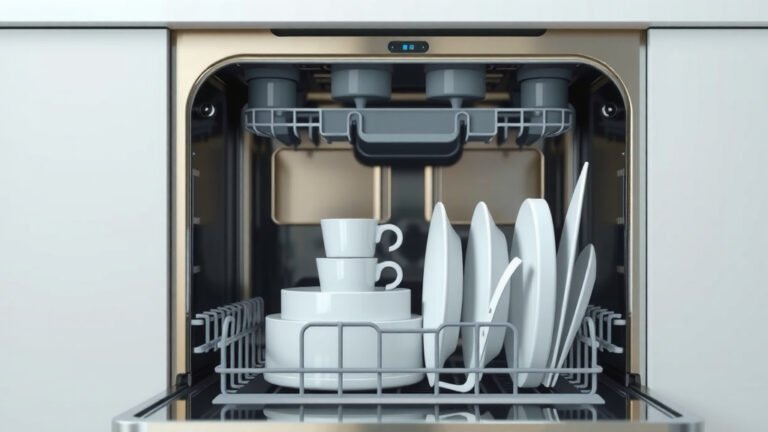
Even a perfect dishwasher fails with bad loading. We found that overcrowding is a top reason dishes come out greasy. Water can’t reach surfaces that are touching.
Face dirty surfaces toward the spray arms. Keep big pots from blocking the detergent door. Give plates breathing room, like guests at a dinner party.
Also, don’t pre-rinse too thoroughly. Modern detergents need some food soil to work against. Just scrape off big chunks and let the machine handle the rest.

Quick Checklist Before You Run the Next Cycle
Run through this list and you’ll knock out most greasy-dish problems in ten minutes.
- Remove and rinse the bottom filter under hot water.
- Check spray arm holes for stuck food or white crust.
- Run the sink faucet hot before starting the cycle.
- Measure detergent to the fill line, no more.
- Top off the rinse aid dispenser.
- Respace any crowded dishes before you close the door.
When Greasy Dishes Point to a Bigger Problem
Sometimes the film isn’t about habits or loading. A failing drain pump or a broken heating element can leave dirty water sitting in the tub. If your dishes are wet, cold, and greasy after every cycle, those parts deserve a look. If the water itself never warms up, our guide to a dishwasher not heating walks through the likely part failures.
Standing water at the bottom after a cycle is another red flag. That’s old, dirty water making its way back onto your “clean” dishes.
Simple Tests You Can Run at Home
Run an empty cycle with a dishwasher cleaner tablet. If the inside comes out clean but dishes still feel slick, the issue is likely loading or detergent. If the machine itself still smells or has residue, maintenance is your problem.
You can also test your water hardness with an inexpensive test strip from any hardware store. It takes a minute and removes the guesswork.
When to Call a Repair Pro
If cleaning, hot water, and correct detergent don’t fix it after a few cycles, stop fighting. A technician can check the heating element, pump, and drain line in one visit.
Machines over ten years old may also simply be losing cleaning power. At some point, replacement beats repair — and your hands (and dishes) will thank you.
Keeping Greasy Film From Coming Back
Prevention is a rhythm, not a chore. Many experts say a monthly deep clean keeps film away for good (Mayo Clinic recommends regular cleaning of kitchen surfaces for hygiene, and your dishwasher counts).
- Clean the filter every two to four weeks.
- Run a cleaner tablet monthly on an empty cycle.
- Wipe the door seals with warm, soapy water.
- Refill rinse aid before it runs dry.
- Check spray arms for buildup every couple of months.
- Use the hottest cycle your dishes can handle.
Stick with that routine and that slick, greasy feeling becomes a memory instead of a daily annoyance. Your dishes will actually squeak — in the good way.
Conclusion
Greasy dishes after a wash cycle are frustrating, but they’re almost always fixable in one afternoon. The usual story is simple: your filter needs a rinse, your spray arms need a quick check, your water isn’t hot enough, or your detergent amount needs adjusting. Hard water and rinse aid gaps round out the list. We found that most people see a real difference after just one cleaned filter and one properly loaded cycle. So here’s your next step: pull out that bottom filter today, rinse it under hot water, and run a cycle with the faucet heated up first. Then run your fingers across a plate. That squeaky, truly clean feeling should tell you everything you need to know.
Frequently Asked Questions
Should I wash greasy dishes by hand before putting them in the dishwasher?
You don’t need to. Just scrape off solid food and let the machine handle the grease. Modern detergents actually need some residue to work properly, so a full hand-wash can make results worse, not better.
Why do my plastic containers feel greasy when my plates feel clean?
Plastics don’t hold heat the way ceramic and glass do. They stay cooler during the cycle, so grease and film don’t rinse off as easily. Try placing plastics on the top rack away from the spray pattern, and use a heated dry setting when possible.
Can an old dishwasher cause greasy dishes even with perfect maintenance?
Yes, it can happen. Worn pumps, weak spray pressure, and tired heating elements all reduce cleaning power over time. If your machine is past the ten-year mark and maintenance hasn’t helped, it may be time to compare repair costs against a replacement.
Does vinegar help with greasy film on dishes?
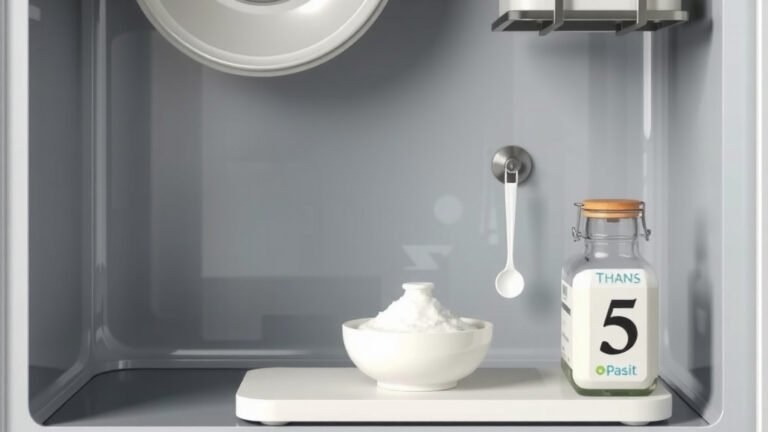
White vinegar can cut through light mineral film. Pour a cup into a dishwasher-safe bowl on the bottom rack and run a hot cycle with nothing else inside. Just skip the detergent during that cycle, since vinegar and soap don’t mix well.
Is a slimy feeling on dishes dangerous to eat off?
It’s more unpleasant than dangerous in most cases, but you shouldn’t ignore it. That film can hold bacteria and leftover food particles. Re-wash affected items by hand until you’ve fixed the underlying problem with your machine.