Dishwasher White Residue: Causes and Solutions
Your dishwasher leaving white residue is likely caused by hard water minerals or improper detergent usage. This chalky film can build up over time on your dishes and inside the dishwasher itself. We found that identifying the specific type of residue is the first step to solving this common problem.
This white film isn’t just an eyesore; it can actually affect how clean your dishes get. Many homeowners experience this issue, and it’s often linked to your water’s mineral content or how much dishwasher detergent you’re using. We’ll help you figure out what’s causing it and how to get your dishes sparkling again.
- Hard water is a common culprit.
- Not using enough or using too much detergent can also cause residue.
- Your dishwasher’s rinse aid dispenser needs checking.
- The temperature of your wash cycle matters.
- A clogged filter can trap debris.
Let’s dive into the common reasons behind that annoying white residue and how you can banish it for good.
Understanding Your Dishwasher’s White Residue Problem
Seeing a chalky white film on your dishes after they’ve been washed can be incredibly frustrating. It’s a common problem that many homeowners face, and it often points to a few key issues with your dishwasher or water. We found that understanding the root cause is the first step to getting your dishes sparkling again.
Hard Water: The Mineral Menace
One of the most frequent culprits behind that persistent white residue is hard water. What exactly is hard water? It simply means your tap water contains a high concentration of dissolved minerals, primarily calcium and magnesium. When water evaporates, these minerals are left behind.
Think of it like leaving a glass of water out on your counter. Eventually, the water disappears, but you’re often left with a white ring. Your dishwasher is doing the same thing, just on a much larger scale, inside the machine and on your dishes.
How Hard Water Affects Your Dishes
When hard water is heated during the wash and rinse cycles, the dissolved minerals can precipitate out. These particles then cling to your dishes, cutlery, and glassware, creating that undesirable cloudy film. It’s not just unsightly; it can make your dishes feel gritty and look dull.
Measuring Your Water’s Hardness
You can often tell if you have hard water by looking for signs like soap scum that’s difficult to rinse away, mineral deposits on your faucets, or a dingy appearance on your clothes after washing. For a more precise answer, you can purchase a home water hardness test kit. These are readily available at most hardware stores or online retailers. You can also contact your local water utility company; they often provide water quality reports that include hardness levels.
Detergent Dos and Don’ts
The type and amount of detergent you use play a huge role in how clean your dishes come out. Too little detergent won’t break down grease and food particles effectively. Too much, on the other hand, can cause its own set of problems, including residue.
The Importance of the Right Detergent Type
Dishwasher detergents are specifically formulated for automatic dishwashers. Never use regular dish soap, as it creates far too many suds and can overflow your machine. Look for detergents that are designed for your specific water conditions. If you have hard water, a detergent with built-in water softening agents can be a great help.
Getting the Detergent Amount Just Right
Many experts suggest that using too much detergent can actually cause residue. This might sound counterintuitive, but excess detergent can be difficult to rinse away completely. It can leave a cloudy film behind, much like not using enough rinse aid. Conversely, using too little detergent means it can’t properly tackle the food soils and grease, leading to remnants that appear as a white film.
We found that most modern dishwashers and detergents are highly efficient. Often, a half-scoop or even a quarter-scoop of powder or a single pod is sufficient. Always check your dishwasher’s manual for the manufacturer’s recommendation. It’s better to start with less and add more if needed, rather than using too much from the start.
The Role of Rinse Aid
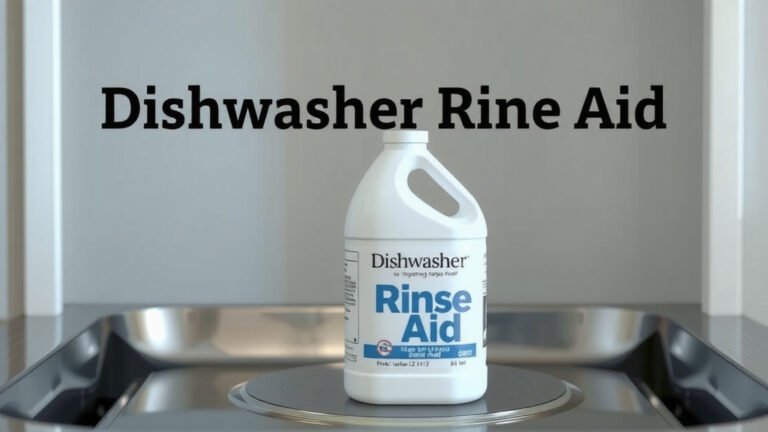
Rinse aid is a specially formulated liquid that helps water sheet off your dishes rather than forming droplets. When droplets remain, they dry and leave behind mineral deposits, similar to hard water spots. Rinse aid is particularly crucial if you have hard water.
Is Your Rinse Aid Dispenser Working?
Most dishwashers have a dedicated rinse aid dispenser. You’ll typically see a small compartment that you can fill with liquid rinse aid. These dispensers usually release the rinse aid automatically during the final rinse cycle. If you haven’t refilled it in a while, or if the dispenser mechanism isn’t working correctly, your dishes won’t get that extra sheeting action.
We found that many people overlook the rinse aid. It’s not a detergent; it’s a drying aid. Ensuring the dispenser is full and functioning properly can make a significant difference in preventing that white film. Many dispensers have an indicator to show when it’s low.
Dishwasher Temperature Matters
The temperature at which your dishwasher runs its cycles impacts how effectively it cleans and rinses. Both too low and sometimes too high temperatures can contribute to residue.
Why Hot Water is Your Friend
Hot water helps to dissolve food particles and grease more effectively. If your dishwasher isn’t heating the water to the optimal temperature, it might struggle to wash away the detergent and food soils completely. This can leave a film behind.
Many dishwasher models have a “sanitize” or “high-temp” option. Using these cycles can ensure the water is hot enough to clean thoroughly. Check your dishwasher’s manual to understand its temperature settings and recommendations. Some older models might rely on your home’s hot water supply; if your home’s water heater is set too low, your dishwasher won’t get hot enough.
Clogged Filters: Trapping the Trouble
Dishwashers have filters designed to catch food debris and prevent it from recirculating and redepositing onto your clean dishes. If these filters become clogged, they can’t do their job effectively.
Understanding Your Dishwasher’s Filter System
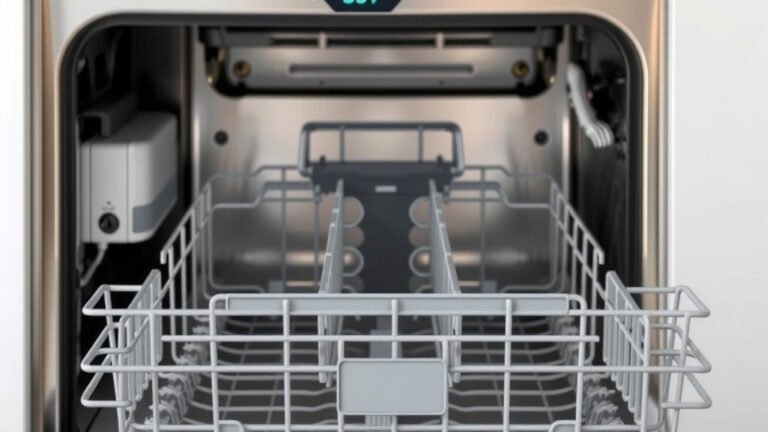
Most modern dishwashers have a multi-stage filtration system, usually located at the bottom of the tub. This typically includes a coarse filter and a fine mesh filter. Food particles, labels, and other gunk get trapped here.
When the filter is full, water drainage can be impaired, and trapped debris can get stirred up and settle back onto your dishes. This can contribute to a cloudy or gritty residue. Many experts recommend checking and cleaning your dishwasher filter monthly, especially if you tend to run it with a lot of food soil still on the plates.
Troubleshooting Checklist: Back to Sparkling Dishes
Ready to tackle that white residue? Here’s a quick checklist to help you pinpoint and solve the problem:
- Check your water hardness level. Consider a water softener if it’s high.
- Use the correct amount and type of dishwasher detergent.
- Ensure your rinse aid dispenser is full and working.
- Select a high-temperature or sanitize wash cycle.
- Clean your dishwasher’s filter regularly (monthly is a good goal).
- Run a dishwasher cleaning cycle periodically to remove built-up residue.
Conclusion
Dealing with white residue in your dishwasher can be a persistent annoyance, but you now have the tools to tackle it. We’ve seen how hard water minerals, incorrect detergent usage, and issues with your rinse aid or filter can all play a part. Don’t let cloudy dishes get you down!
Start by checking the simple things like your rinse aid level and filter cleanliness. If the problem persists, consider testing your water hardness. Taking these steps will help you get your dishwasher working efficiently again, leaving you with sparkling clean dishes every time.
Frequently Asked Questions
Can I use vinegar to clean my dishwasher?
Yes, vinegar can be a helpful natural cleaner for your dishwasher. You can run an empty cycle with a cup of white vinegar placed on the top rack. It can help break down mineral deposits and freshen your machine. Just be sure to rinse thoroughly afterward.
How often should I clean my dishwasher filter?
We found that cleaning your dishwasher filter at least once a month is a good practice. If you notice food debris building up quickly or have particularly hard water, you might need to clean it more often. A clean filter ensures better water flow and cleaner dishes.
What’s the difference between dishwasher detergent and regular dish soap?
Dishwasher detergent is formulated to be low-sudsing and work with the high-pressure spray of your machine. Regular dish soap creates a lot of suds, which can overflow your dishwasher and damage its components. Always use detergent specifically made for automatic dishwashers.
My dishes still look cloudy even after adding rinse aid. What else could be wrong?
If rinse aid isn’t solving the cloudiness, double-check the rinse aid dispenser isn’t clogged or malfunctioning. Also, ensure you are using the correct wash cycle temperature, as insufficient heat can prevent proper rinsing. Your detergent amount might also need adjustment.
Is it worth installing a whole-house water softener for hard water spots?
If you consistently struggle with mineral deposits and white residue from very hard water, a whole-house water softener can be a worthwhile investment. It protects not only your dishes but also your dishwasher and other plumbing fixtures from the damaging effects of hard water long-term.