
Dishwasher Not Heating? Top Causes & Fixes
Your dishwasher not heating likely means a few common parts have failed. This usually boils down to a broken heating element, a faulty thermistor, or a problem with the control board. These are the most frequent culprits when your dishes come out less than sparkling clean and still damp.
It’s frustrating when your dishwasher doesn’t do its job properly. You expect clean, dry dishes, not a warm water bath followed by a puddle. Understanding why the heat isn’t working can save you time and money. Many common issues are surprisingly simple to diagnose and sometimes even fix yourself.
- Dishwasher not heating? Check the heating element first.
- A faulty thermistor or control board can also be the cause.
- Loose wiring or a bad door latch might prevent heating.
- Sometimes, the water inlet valve is the culprit.
- Safety features can sometimes mistakenly shut off the heat.
Let’s get your dishwasher back to its warm, dish-drying glory. We’ll walk through the most common reasons your dishwasher might be skipping the heating cycle.
Troubleshooting Your Dishwasher’s Heating Problems
When your dishwasher fails to heat, it’s often due to a few key components giving out. We’ll help you pinpoint why your dishes aren’t getting that hot rinse and dry.
Why Isn’t My Dishwasher Heating the Water?
Several things can stop your dishwasher from reaching the proper temperature. Most issues are repairable without needing a brand-new appliance.
The Heating Element: The Usual Suspect
This is the most common reason your dishwasher isn’t heating. Think of it like the heating coil in an oven or a toaster. Its job is to warm up the water to the ideal cleaning temperature.
When this element fails, the water stays cool. This means your detergent won’t activate properly. It can also leave your dishes wet, no matter how long the cycle runs.
Signs of a Bad Heating Element
- Dishes come out dirty, even after a full cycle.
- Dishes are still wet and damp at the end.
- You hear the dishwasher running, but the water never feels warm.
How to Check the Heating Element
This usually involves some basic DIY skills and a multimeter. First, always unplug the dishwasher to prevent electric shock. You’ll typically need to pull the appliance away from the wall to access the element, which is usually located at the bottom of the tub.
You’ll look for a coil or a metal rod. You’ll need to disconnect the wires from it and then test for continuity with your multimeter. If the multimeter shows no resistance or an “open circuit,” the element has likely burned out. Many appliance parts stores carry replacements. Research your specific dishwasher model to ensure you get the right part (Appliance Repair Forum).
The Thermistor: The Dishwasher’s Thermometer
If the heating element is fine, the next suspect is the thermistor. This part acts like a thermostat, reading the water temperature and telling the control board whether to keep heating or stop. It’s essential for regulating the temperature.
If the thermistor malfunctions, it might incorrectly tell the control board the water is already hot. The board, relying on this faulty information, will then skip the heating cycle altogether. This is why your dishes might end up only lukewarm, not hot.
Diagnosing a Faulty Thermistor
Like the heating element, you’ll need to unplug the dishwasher. The thermistor is usually found near the heating element or the water inlet. You can test it with a multimeter by checking its resistance at different temperatures. Online guides for your specific model can help you find the thermistor and its expected resistance values (DIY Appliance Repair Blog).
If the readings don’t match the expected values, it’s time for a replacement. Replacing a thermistor is often a straightforward repair. You just need to ensure you’re buying the correct part for your dishwasher.
The Control Board: The Brains of the Operation
This is the central computer for your dishwasher. It receives signals from all the sensors, including the thermistor, and tells all the parts what to do and when. If the control board has issues, it might simply not send the signal to heat the water.
A power surge or a simple component failure can cause the control board to act up. It’s often the most expensive part to replace. Before assuming the control board is the culprit, it’s wise to rule out simpler, less costly issues like the heating element or thermistor.
When the Control Board Might Be the Problem
Sometimes, a faulty control board won’t just affect heating. You might notice other strange behaviors, like the dishwasher not starting at all, cycling erratically, or indicator lights flashing incorrectly. If multiple components seem to be failing or acting strangely, the control board is a stronger possibility.
Testing a control board is more complex. It often requires a technician with specialized diagnostic tools. However, some DIYers can find visual signs of damage, like burnt spots on the board, which clearly indicate a failure.
Wiring and Connections: The Unseen Links
Even if all the components are working perfectly, loose or damaged wiring can prevent them from communicating. Wires connect the heating element, thermistor, and control board. Vibrations from the dishwasher running can cause these connections to loosen over time.
You might find a wire that has simply vibrated loose from its terminal. A visual inspection inside the dishwasher, especially around the heating element and control panel, can reveal this. Ensure the dishwasher is unplugged before you go poking around.
Loose Wires and Poor Connections
If you find a loose wire, you can often reattach it securely with pliers. If a wire appears frayed or damaged, it might need to be replaced. For safety, if you’re unsure about electrical repairs, it’s best to call a professional appliance repair service.
The Door Latch: A Surprisingly Important Switch
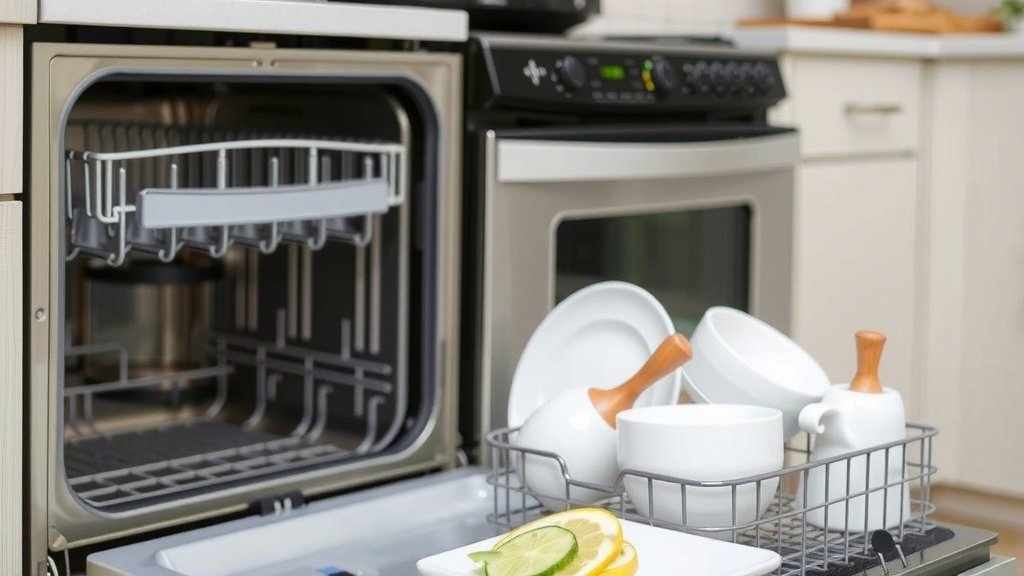
Your dishwasher has a safety switch on the door latch. This tells the machine that the door is securely closed. If this switch isn’t activated, the dishwasher might not start or complete certain cycles, including the heating cycle. It’s a safety feature to prevent water from spraying everywhere.
Checking the Door Latch Mechanism
Make sure the door is closing properly and the latch engages fully. Sometimes, debris can get caught in the latch mechanism, preventing it from closing all the way. Cleaning the latch area might solve the problem.
You can also test the latch switch itself for continuity using a multimeter, just like you would test the heating element or thermistor. If the switch is faulty, it needs to be replaced.
Water Inlet Valve: Is Water Even Getting In?
The dishwasher needs water to heat. If the water inlet valve is faulty, it might not be allowing enough water into the tub. Some dishwashers won’t start the heating cycle if the water level isn’t sufficient.
You’d typically notice other symptoms, like the dishwasher not filling properly at all. You can often hear the valve trying to open. If you suspect this, check if water is entering the tub during the initial fill stage.
Safety Features and Overheating Protection
Dishwashers have built-in safety mechanisms to prevent overheating. Sometimes, these systems can be a bit too sensitive or get stuck in the “off” position. This is less common but can happen.
If the dishwasher overheats due to a malfunctioning thermostat or other issue, a thermal fuse might blow to cut power to the heating element. This fuse then needs to be replaced. This is another reason to ensure your thermistor is working correctly.
Quick Checklist for Dishwasher Heating Issues
- Unplug your dishwasher before inspecting any parts. Safety first!
- Check the heating element for visible damage or test it with a multimeter.
- Inspect the thermistor and its connections; test its resistance.
- Look for loose or damaged wiring, especially around the heating element.
- Ensure the door latch is clean and engaging properly; test the switch.
- Verify that water is filling the dishwasher adequately.
By systematically checking these components, you can often identify and resolve why your dishwasher isn’t heating. Remember to consult your appliance’s manual for specific instructions and always prioritize safety when working with electrical appliances (Consumer Reports).
Conclusion
It’s certainly frustrating when your dishwasher doesn’t heat, leaving your dishes less than clean and dry. We’ve walked through the most common culprits, from a broken heating element to a malfunctioning thermistor or control board. Sometimes, simple issues like loose wiring or a faulty door latch are the hidden problems.
By methodically checking these parts, you can often pinpoint the issue yourself. Remember to always unplug your dishwasher before inspecting any components for your safety. If you’ve gone through the checklist and still aren’t sure, or if you’re uncomfortable with electrical work, don’t hesitate to call a professional appliance repair technician to get your dishwasher back to its best.
Frequently Asked Questions
How do I know if my dishwasher’s heating element is bad?
If your dishes come out wet and dirty, or the water in the dishwasher never feels warm, your heating element is a prime suspect. You can visually inspect it for damage or test it for continuity using a multimeter after unplugging the unit.
Can a dishwasher heat water without a working thermistor?
No, a faulty thermistor will prevent your dishwasher from heating water correctly. The thermistor acts as the dishwasher’s thermometer, telling the control board when the water is hot enough. If it’s broken, the control board won’t know to activate the heating element.
Is it expensive to replace a dishwasher control board?
Yes, the control board is often one of the more expensive parts to replace on a dishwasher. It’s best to rule out simpler and less costly issues like the heating element or thermistor before assuming the control board is the problem.
What if my dishwasher isn’t filling with water – will it heat?
Generally, no. Dishwashers need a sufficient amount of water to start the heating cycle. If your water inlet valve is faulty or there’s a blockage, the dishwasher might not fill properly, and consequently, it won’t heat.
Should I try to fix it myself or call a repair person?
If you’re comfortable with basic DIY and electrical testing using a multimeter, you might be able to fix simple issues like a loose wire or a bad heating element. However, if you’re unsure or dealing with more complex parts like the control board, calling a professional is always the safest bet.