Dishwasher Not Cleaning? Top Reasons & Fixes
Your dishwasher isn’t cleaning because of clogged filters, a blocked spray arm, or improper loading. These common issues prevent water and detergent from reaching your dishes effectively. You might also have hard water deposits interfering with cleaning. Let’s get your dishes sparkling again!
Dirty dishes are frustrating, and a malfunctioning dishwasher adds to the chore. We’ve researched why this happens, and it often comes down to simple maintenance or a few common mistakes. Understanding these reasons helps you troubleshoot quickly and avoid unnecessary repair calls.
- Clogged filter or spray arm
- Hard water buildup
- Improper loading techniques
- Wrong detergent or rinse aid
- Old or broken parts
Let’s walk through exactly why your dishwasher might be leaving your dishes less than spotless and what you can do about it.
“`htmlTroubleshooting Your Dishwasher’s Cleaning Performance
Your dishwasher is supposed to make life easier, not add to your cleaning pile. If you’re finding dirty dishes coming out after a cycle, it’s usually a sign of a few common culprits. Let’s get to the bottom of why your dishwasher isn’t cleaning effectively.
Understanding the Main Reasons for Poor Dishwashing
Several factors can impact how well your dishwasher performs. We’ve researched the most frequent issues that lead to less-than-spotless results. Often, the solution is simpler than you might think.
The Hidden Culprits: Clogs and Blockages
The most common reason for a dishwasher not cleaning properly is blockages. These can prevent water and detergent from circulating freely. Think of it like trying to drink through a straw that’s blocked by a piece of food – it’s just not going to work.
The Dirty Secret of Your Filter
Your dishwasher has a filter, usually located at the bottom of the tub. Its job is to catch food particles and other debris. If this filter gets clogged, it stops the water from spraying effectively onto your dishes. We found that a dirty filter is responsible for many cleaning complaints.
Many guidelines suggest checking and cleaning your dishwasher filter every month (Good Housekeeping). It’s a quick task that can make a huge difference. Simply remove it, rinse it under warm water, and scrub away any gunk with a soft brush. Sometimes, you might even find larger food bits that need to be scraped off.
Blocked Spray Arms: The Silent Saboteurs
The spray arms are those spinning arms that shoot hot, soapy water onto your dishes. They have small holes, or nozzles, that can easily get plugged up with food particles, mineral deposits, or detergent residue. When these holes are blocked, the water can’t reach all your dishes.
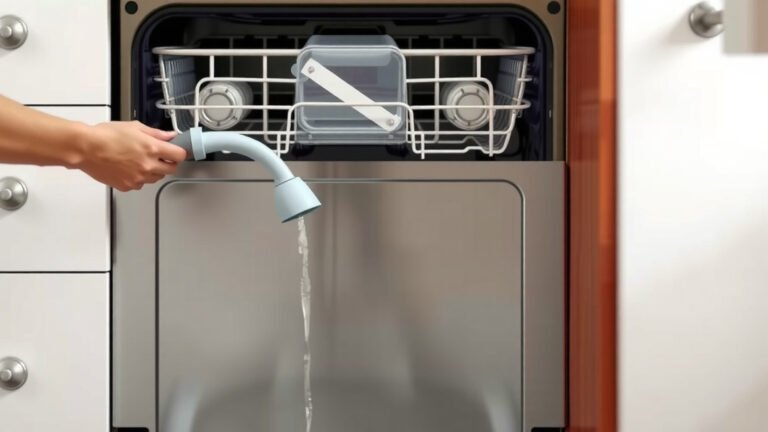
We found that cleaning the spray arms is essential for good performance. You can often remove them by unscrewing them. Use a toothpick, a needle, or a thin piece of wire to carefully poke out any debris from the holes. Make sure to rinse them thoroughly afterward. This simple step can restore proper water pressure.
The Impact of Water Quality and Detergent
Beyond physical blockages, the water you use and the detergent you choose play a significant role in how clean your dishes get.
Battling the Buildup: Hard Water Woes
If you live in an area with hard water, mineral deposits like calcium and magnesium can build up in your dishwasher. This buildup can coat your dishes, making them look cloudy, and can also interfere with the detergent’s effectiveness. Cleveland Clinic notes that hard water can affect appliance performance.
To combat hard water, consider using a dishwasher detergent specifically designed for hard water. You can also try adding a rinse aid, which helps water sheet off your dishes, preventing spots. For severe buildup, running an empty cycle with a dishwasher cleaner or a cup of white vinegar can help descale the interior (Consumer Reports).
Choosing the Right Cleaner: Detergent Do’s and Don’ts
Using the wrong detergent or too little detergent is another common reason for dirty dishes. Dishwasher detergents are formulated differently than hand dish soap. Never use hand dish soap in your dishwasher; it will create excessive suds and can cause leaks.
We found that using the recommended amount of high-quality dishwasher detergent is key. If you’re using pods, ensure they fully dissolve. Some detergents may not perform well in certain water conditions, so you might need to experiment to find one that works best for your home. Remember to also use a rinse aid if your detergent doesn’t include it.
Loading Your Dishwasher Like a Pro
How you load your dishwasher is surprisingly important. Overloading or improperly placing items can prevent water and detergent from reaching all surfaces.
The Art of the Load: What to Avoid
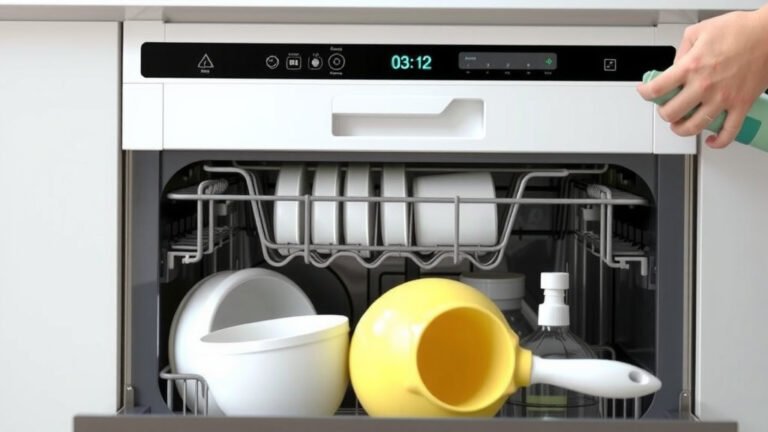
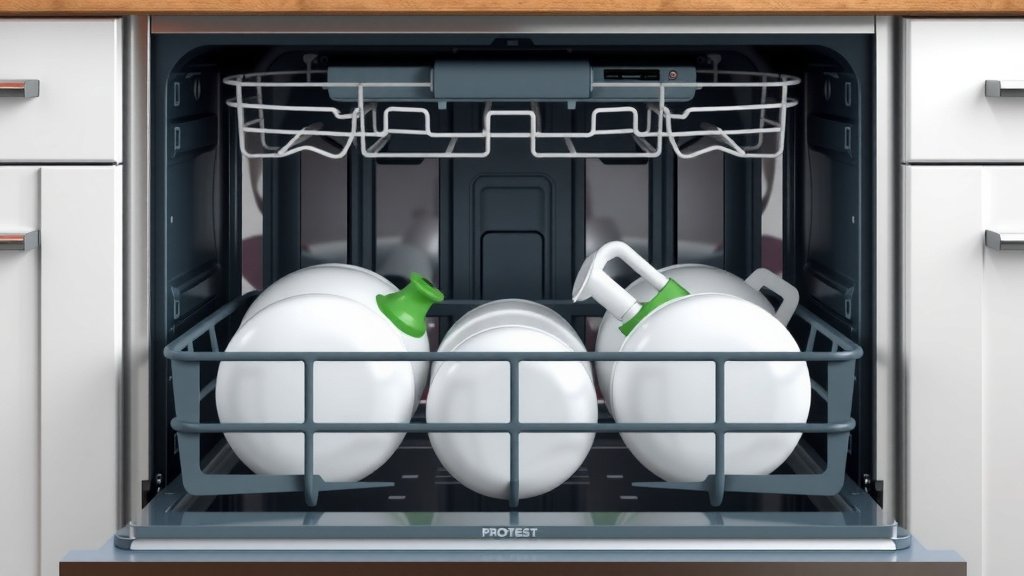
Don’t nest items too closely together. Plates should face the center spray arm. Bowls and cups should be angled downwards so they can fill and drain properly. Heavy items like pots and pans should go on the bottom rack, while lighter plastics should be on the top.
We found that overcrowding is a major contributor to poor cleaning. Make sure there’s space for water to circulate around every item. If a large utensil is blocking a spray arm, it can’t do its job. Think about creating clear pathways for the water.
The Detergent Dispenser Dilemma
Ensure the detergent dispenser is not blocked by any dishes or utensils. If the dispenser door can’t open fully during the wash cycle, the detergent won’t be released. This is a simple check that many people overlook.
When Parts Might Be Failing
Sometimes, the issue isn’t about maintenance or loading. It could be that a component in your dishwasher is worn out or broken.
Worn Out Water Inlet Valve
If your dishwasher isn’t filling with enough water, the wash cycle won’t be effective. The water inlet valve controls the flow of water into the machine. If it’s partially clogged or failing, you might not get enough water for a good clean.
Faulty Circulation Pump or Motor
The circulation pump is what drives the water through the spray arms. If this pump is weak or failing, the water pressure will be low, leading to dirty dishes. We found that a failing pump often results in consistent poor cleaning across all loads.
Quick Checklist for Better Dishwasher Cleaning
Ready to get your dishes sparkling again? Follow these simple steps:
- Check and clean your filter regularly.
- Ensure spray arm holes are clear of debris.
- Load dishes loosely, allowing water to reach all surfaces.
- Use the correct amount of high-quality detergent.
- Add rinse aid, especially if you have hard water.
- Run an empty hot cycle with vinegar or a dishwasher cleaner if buildup is suspected.
Conclusion
It’s frustrating when your dishwasher doesn’t get your dishes clean. We’ve found that most issues stem from simple maintenance or common loading errors. Addressing a clogged filter, clearing blocked spray arms, and learning proper loading techniques can dramatically improve performance. Don’t forget the impact of water quality and the right detergent. If you’ve tried these fixes and still face problems, it might be time to consider if a part needs replacing. Take a moment to run through our checklist; your sparkling dishes are within reach!
Frequently Asked Questions
How often should I clean my dishwasher filter?
We found that cleaning your dishwasher filter about once a month is a good general rule. If you run your dishwasher very frequently or notice food particles more often, you might want to check it even more regularly. A clean filter is key to proper water circulation.
What can I do if my glasses come out cloudy?
Cloudy glasses often point to hard water issues. Try using a rinse aid in your dishwasher’s dispenser. We also recommend using a dishwasher detergent formulated for hard water or running an empty cycle with white vinegar to help remove mineral buildup.
My dishwasher isn’t spraying water at all, what’s wrong?
If there’s no water spraying, the issue could be a severely clogged filter or spray arms. It could also indicate a problem with the water inlet valve not letting enough water in, or a failing circulation pump. Check the filter and spray arms first, as these are the easiest fixes.
Can I use regular dish soap in my dishwasher?
Absolutely not. We strongly advise against using hand dish soap in your dishwasher. It creates far too many suds, which can overflow and potentially damage your appliance. Always use detergent specifically designed for automatic dishwashers.
What’s the best way to load my dishwasher for optimal cleaning?
To get the best clean, avoid overcrowding. Ensure dishes are not blocking the spray arms or the detergent dispenser. We found that angling bowls and cups downwards allows them to fill and drain properly. Place larger, heavier items on the bottom rack.
“`