How to Winterize Your Dishwasher: A Step-by-Step Guide
Yes, you can absolutely winterize your dishwasher to prevent freezing and damage during colder months. The key is to ensure all water is removed from the pump, lines, and filter, which often involves running a final rinse cycle with a special solution or just vinegar.
Proper winterization protects your appliance from costly repairs caused by frozen water expanding in the pipes and components. Many homeowners overlook this simple maintenance, leading to unpleasant surprises when the weather turns. Protecting your kitchen appliances is smart homeownership.
- Winterize your dishwasher to stop freezing.
- Remove all water from the pump and lines.
- A final rinse cycle with vinegar helps.
- This prevents costly damage and repairs.
Let’s walk through exactly how to get your dishwasher ready for winter, step by step.
“`htmlGetting Your Dishwasher Ready for Winter
It’s a smart move to winterize your dishwasher. This simple maintenance step can save you a lot of headaches. It prevents frozen water from causing serious damage. Think of it like putting a little jacket on your appliance. We’ll guide you through the process. You’ll be done before you know it.
Why Winterize Your Dishwasher?
You might be wondering why this is even necessary. Your dishwasher is inside your home, right? That’s true, but sometimes pipes can still freeze. This happens especially if your home is vacant for a while. Or if you live in a very cold climate. Water left in the pump and lines can expand when it freezes. This expansion can crack components. That means costly repairs or even needing a new machine.
Many appliance experts agree that removing standing water is key. This is especially important for appliances with water lines. It’s similar to winterizing an outdoor hose bib. You wouldn’t want that to freeze and burst, would you? Protecting your dishwasher is just as important. It’s part of good home maintenance. It ensures your kitchen stays fully functional.
Step-by-Step Winterization Process
1. Clean the Dishwasher Thoroughly
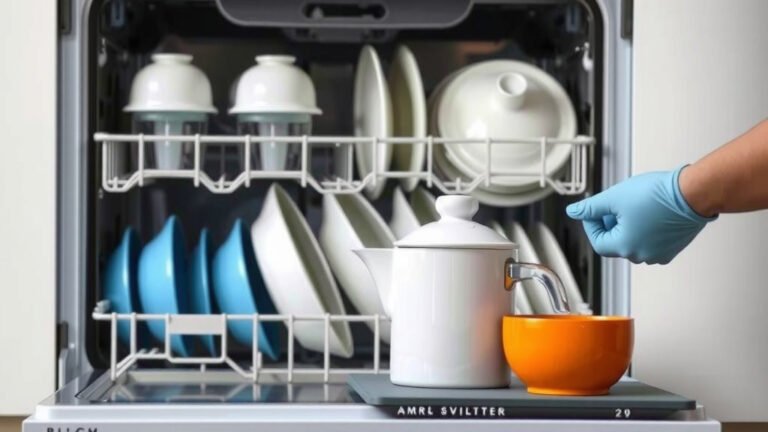
Before you do anything else, start with a clean slate. Run a regular wash cycle. Make sure it’s completely empty. This removes any lingering food particles. Food debris can freeze and expand. It can also clog things up. A clean machine is easier to winterize. You’ll be removing more water from a clean system. We found that a thorough initial clean is a smart first step.
2. Remove Water from the Filter and Pump
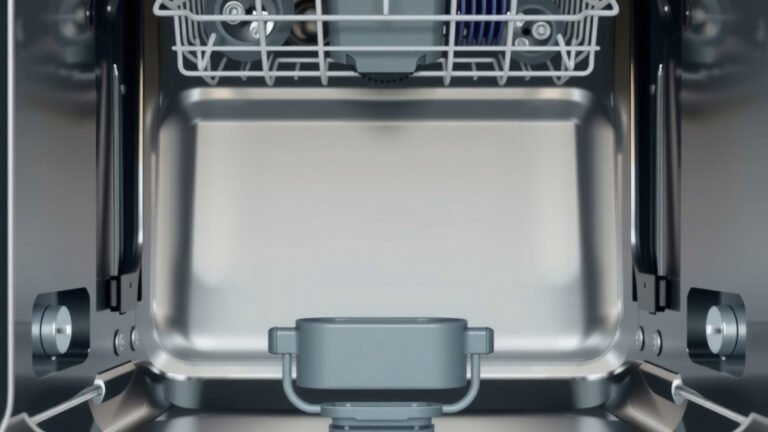
Most dishwashers have a filter. This is usually at the bottom of the tub. Consult your owner’s manual if you’re unsure. You’ll likely need to unscrew or unclip it. There might be some water trapped here. Gently wipe it dry with a clean cloth. Some models have a pump access. Again, your manual is your best friend here. You want to remove as much water as possible. Think of it like draining a small pool.
3. Run a Final Rinse Cycle with Vinegar
This is where the magic happens. Vinegar is a fantastic cleaner and deodorizer. It also helps to break down any remaining grease. Plus, it can help displace remaining moisture. You’ll want to add about a cup of white vinegar. Pour it directly into the bottom of the dishwasher tub. Then, run a short rinse cycle. Do not add detergent. You are not washing dishes. You’re just running water through the system.
Why vinegar? Well, it’s acidic. This helps to clean the interior. It also displaces water effectively. Many household maintenance guides suggest vinegar. It’s a safe and natural way to clean. Plus, it’s readily available. You probably have some in your pantry right now. Running this cycle ensures water is moved through the pump and drain lines.
4. Optional: Dry Out the Interior
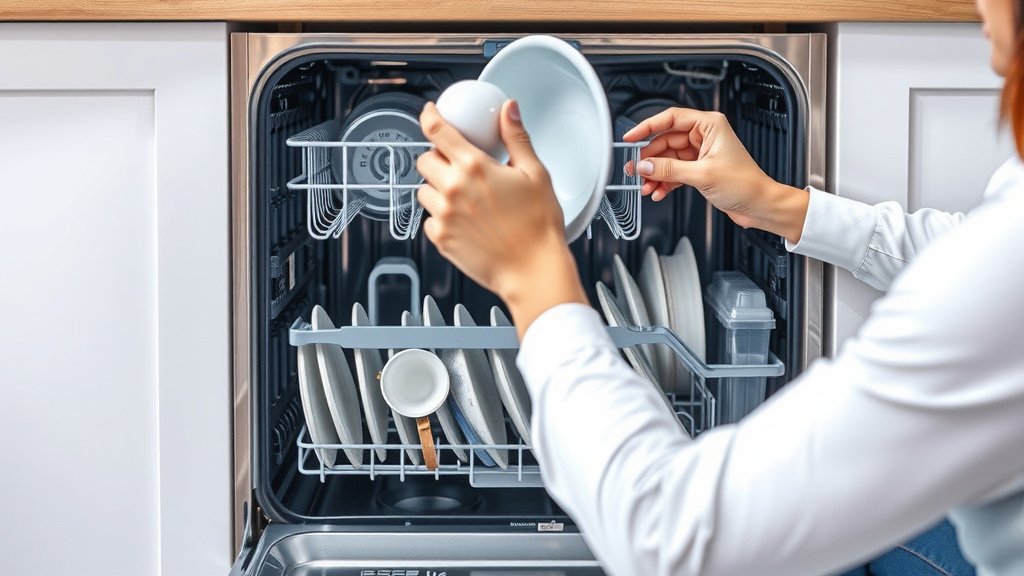
After the rinse cycle, you can take an extra step. Open the dishwasher door. Let the interior air dry completely. You can use a clean, dry towel. Wipe down any visible water droplets. Pay attention to the door seals and edges. Getting the inside as dry as possible is the goal. This prevents any lingering moisture from freezing.
5. Consider Disconnecting the Water Supply (Advanced)
For those in very cold climates or leaving the home for an extended period, this is an option. Some experts suggest disconnecting the water supply line. This is a more advanced step. It requires turning off the water supply to the dishwasher. You’ll then disconnect the hose. Let any residual water drain out. Reconnect it when you’re ready to use the dishwasher again.
This method offers maximum protection. However, it’s not usually necessary for most homes. If you’re comfortable with basic plumbing, it’s something to consider. Always make sure to turn the water back on slowly. Check for leaks when you reconnect.
What About the Drain Hose?
The drain hose can also hold water. Running that final rinse cycle helps to push water through it. If you’re worried about it, consider tilting the hose. If it’s accessible, you might be able to gently lift it. This encourages any trapped water to drain out. Think of it like trying to get all the water out of a garden hose.
Checklist for Winterizing Your Dishwasher
- Empty and clean the dishwasher.
- Clean the filter and pump area.
- Run a rinse cycle with 1 cup of vinegar.
- Air dry the interior thoroughly.
- Wipe down seals and edges.
Troubleshooting Common Issues
What if you notice a strange smell after winterizing? That’s usually just residual vinegar. Run a regular wash cycle with dishes the next time you use it. The smell should disappear. If you notice any unusual noises during the winter, it might be a sign of a problem. Always consult your owner’s manual or a professional.
If your dishwasher is in an unheated garage or basement, extra care is needed. These areas are more susceptible to freezing temperatures. Ensure all water is removed. Consider a more robust method if temperatures consistently drop below freezing.
“`Conclusion
You’ve learned how to effectively winterize your dishwasher. This straightforward process helps prevent costly damage from freezing temperatures. By ensuring water is removed from the filter, pump, and lines, you protect your appliance. Running that final rinse with vinegar is a smart way to clean and displace moisture. Taking these steps means your dishwasher will be ready to go when spring arrives, saving you hassle and repair bills. Your next step is to gather your supplies and schedule a time to complete this simple, yet important, winter maintenance.
Frequently Asked Questions
How often should I winterize my dishwasher?
You should winterize your dishwasher once a year, typically before the first hard freeze. If you live in a region with mild winters or your home is always heated, you might not need to do it at all. However, it’s a good preventative measure for most.
Can I just leave my dishwasher full of water?
Leaving water in your dishwasher is not recommended for winterization. Water expands when it freezes, and this expansion can crack components like the pump, hoses, or even the tub. Removing the water is key to preventing this damage.
Is white vinegar safe to use in my dishwasher for winterizing?
Yes, white vinegar is safe and effective for winterizing. Its acidic nature helps clean the interior and displace any remaining water. Just be sure not to use detergent, as you’re running a cleaning rinse, not a wash cycle.
What if I don’t have a filter or pump access?
Most modern dishwashers have filters and accessible pumps, but check your owner’s manual. If yours is an older or simpler model without these features, focus on running the vinegar rinse cycle thoroughly and ensuring the interior is dry.
Do I need to disconnect the water line if my dishwasher is in a heated home?
Generally, if your dishwasher is located in a heated part of your home, disconnecting the water line is likely unnecessary. The primary concern is preventing water left in the appliance from freezing, which the vinegar rinse and drying methods address effectively.