Why is my dishwasher not drying? Top 5 Fixes
Your dishwasher isn’t drying dishes because of a simple fix, a broken part, or even just how you load it. Most of the time, it’s something you can solve yourself without calling a repair person. Common culprits include forgetting the rinse aid, a clogged filter, or issues with the heating element.
We’ve all been there, opening the dishwasher to find damp plates and glasses. It’s frustrating when your trusty appliance lets you down. Fortunately, understanding the common reasons can help you get your dishwasher back to its drying duties. Let’s figure out what’s making your dishes wet.
- Rinse aid is your drying secret weapon.
- Check your dishwasher filter for clogs.
- Ensure your dishwasher’s heating element is working.
- Proper loading makes a big difference.
- Water temperature matters for drying.
Let’s dive into the most likely reasons your dishwasher isn’t drying and how you can fix them.
Troubleshooting Your Dishwasher’s Drying Problems
It’s incredibly frustrating to open your dishwasher and find your dishes still wet. You expect sparkling clean and dry, not a damp mess. Fortunately, many common drying issues are quite simple to fix yourself. We’ve researched the most frequent reasons why your dishwasher might not be drying, and they often come down to a few key areas.
The Rinse Aid: Your Dishwasher’s Best Friend for Drying
One of the most common reasons dishes come out wet is a lack of rinse aid. Think of rinse aid as a surfactant. It helps water sheet off your dishes instead of forming droplets. These droplets can then sit and dry, leaving spots or a general dampness.
What is Rinse Aid and Why Does It Matter?
Rinse aid is a liquid detergent that is released during the final rinse cycle. Its primary job is to reduce the surface tension of water. This allows water to flow off dishes more easily, preventing water spots and speeding up drying. Many newer dishwashers have a dispenser specifically for rinse aid.
How to Use and Refill Rinse Aid
You’ll usually find the rinse aid dispenser near the detergent dispenser. It often has a small door or cap. Most dispensers have a level indicator. When it’s low, simply open the dispenser and fill it with liquid rinse aid. Overfilling isn’t usually a problem, but it’s best to fill it to the recommended line. You’ll typically need to refill it every few weeks, depending on your dishwasher’s cycle and how much rinse aid it dispenses. Check your dishwasher manual if you’re unsure.
Is Your Dishwasher Filter Clogged?
A dirty or clogged filter can seriously impact your dishwasher’s performance, including its drying ability. Food debris and other gunk can get trapped in the filter, preventing proper water drainage and air circulation needed for drying.
Locating and Cleaning Your Dishwasher Filter
Most dishwasher filters are located at the bottom of the tub, under the lower spray arm. You might need to remove the lower rack to access it. Often, the filter consists of a coarse mesh screen and a fine mesh screen. You can usually twist and lift them out. Once removed, rinse them thoroughly under running water. You can use a soft brush to gently scrub away any stubborn debris. Some sources suggest using a dishwasher cleaning solution or even a mild soap and water mixture for tough grime. Make sure to rinse them completely and reassemble them correctly. A clean filter ensures better water flow and helps prevent clogs down the line.
The Impact of a Clogged Filter on Drying
When the filter is clogged, water doesn’t drain out as efficiently. This means there’s more standing water in the bottom of the dishwasher. This excess moisture can linger and make it harder for the drying cycle to do its job. Imagine trying to dry a towel that’s still soaking wet – it takes much longer. A clean filter allows the dishwasher to drain properly, setting the stage for effective drying.
Checking Your Dishwasher’s Heating Element
For many dishwashers, the heating element is the powerhouse behind the drying process. If it’s not working correctly, your dishes will likely remain damp.
How the Heating Element Works
During the drying cycle, the heating element at the bottom of the dishwasher turns on. It heats the air inside the dishwasher. This hot air circulates, evaporating the water from your dishes. Some dishwashers also use a fan to help move this hot air around, which further aids in drying. Without a functional heating element, this entire process is put on hold. Many guidelines suggest checking this as a primary suspect for poor drying.
Signs of a Failing Heating Element
The most obvious sign is, of course, wet dishes after a cycle. You might also notice that the interior of the dishwasher feels cooler than usual after the drying phase. In some cases, you might even see visible damage to the element itself, though this is less common. If you suspect your heating element is the culprit, it might be time to consult your dishwasher’s manual or a qualified appliance technician.
Are You Loading Your Dishwasher Correctly?
It might seem simple, but how you load your dishwasher can have a big impact on how well your dishes dry. Overcrowding or blocking spray arms can prevent water and hot air from reaching all surfaces.
Tips for Optimal Dishwasher Loading
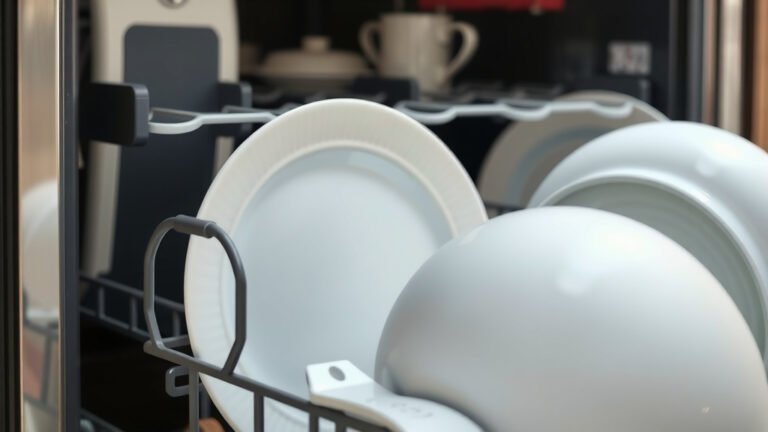
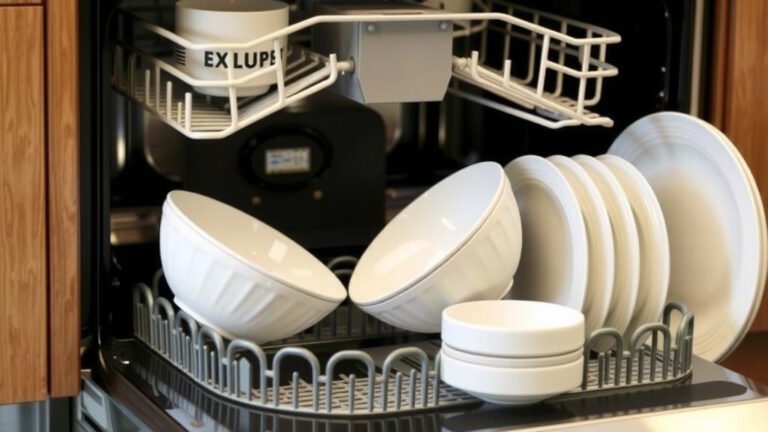
Place larger items like pots and pans on the bottom rack, ensuring they don’t block the detergent dispenser or spray arms. Cups, glasses, and smaller bowls should go on the top rack, angled downwards so they can drain. Avoid nesting items too closely together. Make sure no tall utensils or plates are preventing the spray arms from spinning freely. Research from appliance manufacturers often highlights proper loading as key to performance.
How Loading Affects Drying Efficiency
When dishes are packed too tightly, water can get trapped between them. This creates little pockets of moisture that are hard to evaporate. Similarly, if items are placed incorrectly, they might collect water that can’t drain away. Proper spacing allows hot air to circulate freely, reaching all surfaces and evaporating moisture efficiently. Think of it like trying to dry clothes in a packed closet versus spread out on a rack.
Water Temperature: The Unsung Hero of Drying
The temperature of the water your dishwasher uses plays a vital role in both cleaning and drying. If your water isn’t hot enough, it can significantly hinder the drying process.
The Ideal Water Temperature for Dishwashers
Most dishwasher manufacturers recommend a **water temperature** of around 120°F (49°C) for optimal cleaning and drying. Water that is too cool won’t effectively break down grease and food particles, and it won’t evaporate as easily. The U.S. Department of Energy notes that adequate water temperature is essential for efficient operation. Some dishwashers have an internal booster heater to ensure the water reaches the necessary temperature, even if your home’s hot water supply is cooler.
How to Check Your Dishwasher’s Water Temperature
You can check your home’s hot water temperature by running your sink tap until the water is as hot as it gets, then measuring it with a thermometer. If it’s below 120°F (49°C), you may need to adjust your water heater setting. Be cautious when adjusting your water heater, as excessively hot water can pose a burn risk. If your dishwasher has an internal booster heater and you’re still experiencing low temperatures, there might be an issue with the heater element itself.
By addressing these common issues, you can often get your dishwasher back to its drying best. Here’s a quick checklist to guide you:
Dishwasher Drying Troubleshooting Checklist:
- Check and refill the rinse aid dispenser.
- Ensure the rinse aid compartment is open during the cycle.
- Clean your dishwasher’s filter thoroughly.
- Verify the lower spray arm can spin freely.
- Confirm your home’s hot water is at least 120°F (49°C).
- Run a dishwasher cleaning cycle to remove residue.
Conclusion
It’s frustrating when your dishwasher leaves your dishes damp. You’ve learned that the fix is often simpler than you think. We found that common issues like a missing rinse aid, a dirty filter, or improper loading can all lead to wet dishes. Even water temperature plays a big part. By checking these simple things first, you can often solve your dishwasher’s drying problem yourself. Before you call a repair person, try these steps to get your dishes sparkling dry again.
Frequently Asked Questions
Why are my plastic dishes still wet after a cycle?
Plastic doesn’t retain heat like glass or ceramic, so it takes longer to dry. Ensure you’re using rinse aid and that the dishwasher’s heating element is working properly. Proper loading, with plastics angled to drain, also helps.
Can I just skip the rinse aid?
While your dishwasher will still clean dishes without rinse aid, drying will be significantly less effective. Rinse aid is specifically designed to help water sheet off surfaces, preventing droplets that lead to dampness and spots. You’ll likely notice a big difference when you use it.
My dishwasher seems to be draining fine, but dishes are still wet. What else could it be?
Even if water drains, the air inside might not be hot enough to evaporate moisture. This points towards an issue with the heating element or potentially a problem with the dishwasher’s drying fan, if it has one. Ensure your water temperature is also adequate.
How often should I clean my dishwasher filter?
We recommend cleaning your dishwasher filter at least once a month. If you notice a decrease in drying performance or see food particles in the tub, clean it immediately. A clogged filter is a common cause of many dishwasher problems.
Is it normal for the inside of my dishwasher to be wet after a cycle?
A little condensation is normal, but standing water or very damp dishes are not. If the interior feels excessively wet or you can see pools of water, it indicates a drying system issue. This could be related to rinse aid, the heating element, or drainage.